• Fri frakt över 249 kr
  • •
  • Snabba leveranser
  • •
  • Billiga böcker
Kundservice

Du är på sajten för privatpersoner.

Företag, bibliotek eller offentlig verksamhet?

Du handlar på classic.bokus.com, där alla dina funktioner finns intakta.
Till classic.bokus.com
Bokus logotyp. Gå till startsidan.
  • Erbjudanden
  • Nyheter
  • Student
  • Topplistor
  • Barn & ungdom
  • Bokus Play
  • E-böcker
  • Pocketböcker
  • Spel & pussel

10% rabatt på allt med kod: NYSTART10 →

Sidfot

Mina sidor

    Hjälp

    • Kundservice
    • Vanliga frågor och svar
    • Frakt och leverans
    • Retur vid ångerrätt
    • Reklamera vara
    • Betalning
    • Köpvillkor
    • Allmänna villkor
    • Information om webbplatsens tillgänglighet

    Om Bokus

    • Om oss
    • Pressrum
    • För studenter
    • För företag
    • För bibliotek och offentlig verksamhet
    • För leverantörer
    • Hållbarhet

    Populärt

    • Aktuella erbjudanden
    • Presentkort
    • Studentlitteratur
    • Nya böcker
    • Topplistor
    • Signerade böcker
    • Engelska böcker

    Inspiration

    • Boktips
    • BookTok
    • Populära bokserier
    • Barnbokskaraktärer
    • Populära författare
    Logotyp för Bokus
    Följ oss på Facebook (extern länk)Följ oss på Instagram (extern länk)Följ oss på YouTube (extern länk)Följ oss på TikTok (extern länk)
    bokus @ CookiesAnpassa cookiesIntegritetspolicyKöpvillkor
    Till Citymail hemsida (extern länk)Till Budbee hemsida (extern länk)Till Postnord hemsida (extern länk)Till Schenker hemsida (extern länk)Till Early Bird hemsida (extern länk)Till Walleys hemsida (extern länk)
    1. Psykologi och pedagogik
    2. Psykologi
    3. Socialpsykologi och gruppsykologi

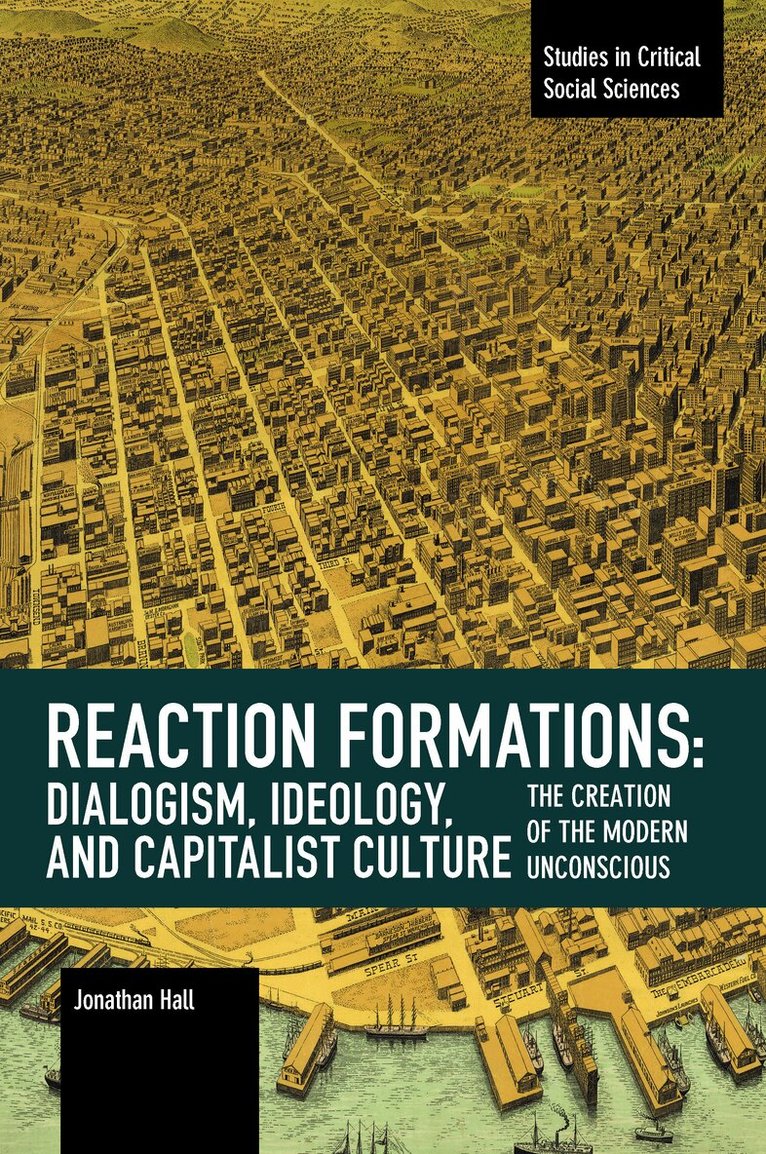
    Reaction Formation: Dialogism, Ideology, and Capitalist Culture

    The Creation of the Modern Unconscious

    AvJonathan Hall

    Häftad, Engelska, 2020

    Del i serien Studies in Critical Social Sciences

    273 kr

    Skickas . Fri frakt över 249 kr.

    Beskrivning

    Bakhtin and Voloshinov argued that dialogue is the intersubjective basis of consciousness, and of the creativity which makes historical changes in consciousness possible. The multiple dialogical relationships give every subject, who has developed through internalising them, the potential to distance him or herself from them. Consciousness is therefore an "unfinalised" process, always open to a possible future which would not merely reiterate the past. But this book explores its corollary: The relative openness is a field of conflict where rival discourses struggle for hegemony, by subordinating or eliminating their rivals. That is how the unconscious is created out of socio-historical conflicts. Hegemony is always incomplete, because there is always the possibility of a return of its repressed rivals in new combinations.

    Produktinformation

    • Utgivningsdatum:2020-08-04
    • Mått:152 x 228 x 18 mm
    • Vikt:424 g
    • Format:Häftad
    • Språk:Engelska
    • Serie:Studies in Critical Social Sciences
    • Antal sidor:285
    • Förlag:Haymarket Books
    • ISBN:9781642591965

    Utforska kategorier

    • Socialpsykologi och gruppsykologi inom Psykologi och pedagogik
    • Sociologi inom Samhälle och politik
    • Filosofiska discipliner inom Filosofi och religion

    Mer om författaren

    Jonathan Hall, B.Phil. Oxon, is a Research Fellow at the Bakhtin Centre, Sheffield University. He is the author of Anxious Pleasures: Shakespearean Comedy and the Nation State (AUP 1995), and he has written extensively on the work of Bakhtin and Voloshinov.

    Innehållsförteckning

    • Acknowledgements Introduction Dialogism: the Potential for Change and for Resistance to Change The Fissured Modern Subject: Paradox versus “Becoming” in Dostoevsky’s Notes from Underground Rethinking Ideology as a Field of Dialogical Conflict A Contradictory Symbiosis is Born: the Rival Ideologies of the Market and the State under Capitalism Captivating the Unruly Subject: Ideology in Early Modern Europe Repairing the Universe: Mysticism as Loss and Longing Baroque Incompletion, the Captivated Subject, and the Humour of Don Quijote The Dialectics of Laughter and Anxiety Conclusion Bibliography Index