• Fri frakt över 249 kr
  • •
  • Snabba leveranser
  • •
  • Billiga böcker
Kundservice

Du är på sajten för privatpersoner.

Företag, bibliotek eller offentlig verksamhet?

Du handlar på classic.bokus.com, där alla dina funktioner finns intakta.
Till classic.bokus.com
Bokus logotyp. Gå till startsidan.
  • Erbjudanden
  • Nyheter
  • Student
  • Topplistor
  • Barn & ungdom
  • Bokus Play
  • E-böcker
  • Pocketböcker
  • Spel & pussel

10% rabatt på allt med kod: NYSTART10 →

Sidfot

Mina sidor

    Hjälp

    • Kundservice
    • Vanliga frågor och svar
    • Frakt och leverans
    • Retur vid ångerrätt
    • Reklamera vara
    • Betalning
    • Köpvillkor
    • Allmänna villkor
    • Information om webbplatsens tillgänglighet

    Om Bokus

    • Om oss
    • Pressrum
    • För studenter
    • För företag
    • För bibliotek och offentlig verksamhet
    • För leverantörer
    • Hållbarhet

    Populärt

    • Aktuella erbjudanden
    • Presentkort
    • Studentlitteratur
    • Nya böcker
    • Topplistor
    • Signerade böcker
    • Engelska böcker

    Inspiration

    • Boktips
    • BookTok
    • Populära bokserier
    • Barnbokskaraktärer
    • Populära författare
    Logotyp för Bokus
    Följ oss på Facebook (extern länk)Följ oss på Instagram (extern länk)Följ oss på YouTube (extern länk)Följ oss på TikTok (extern länk)
    bokus @ CookiesAnpassa cookiesIntegritetspolicyKöpvillkor
    Till Citymail hemsida (extern länk)Till Budbee hemsida (extern länk)Till Postnord hemsida (extern länk)Till Schenker hemsida (extern länk)Till Early Bird hemsida (extern länk)Till Walleys hemsida (extern länk)
    1. Samhälle och politik
    2. Politik och statsskick
    3. Politiska ideologier och rörelser
    4. Marxism och kommunism

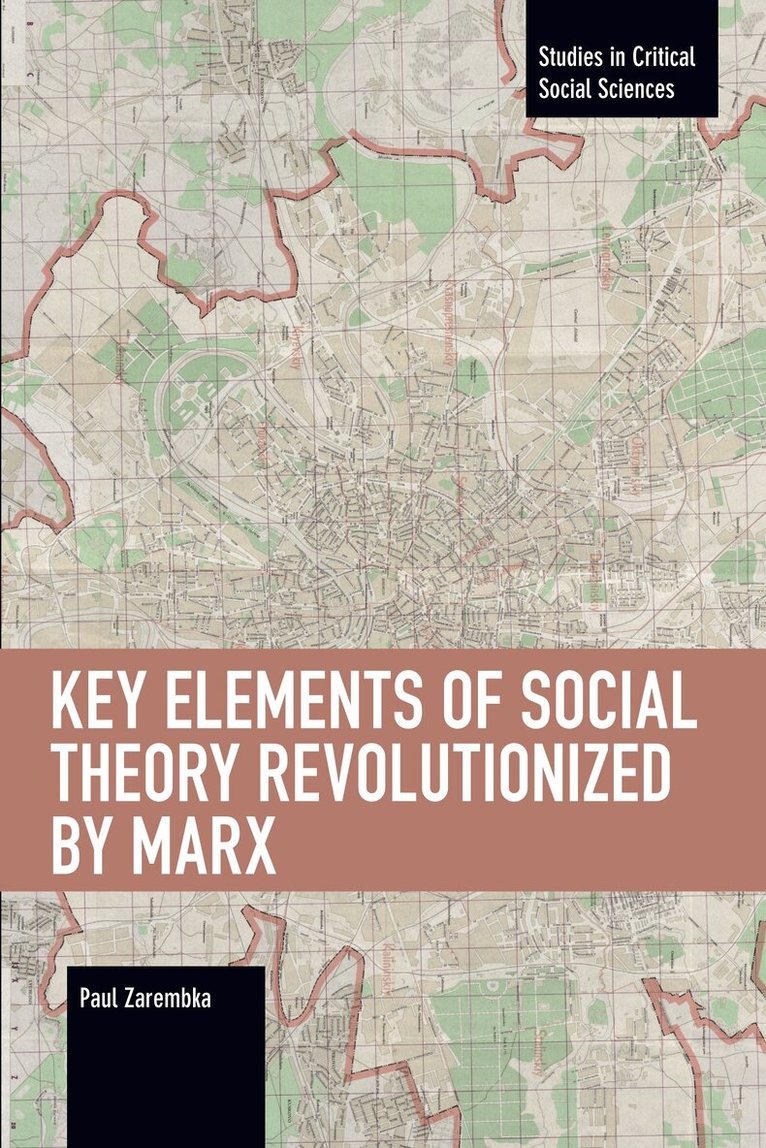
    Key Elements of Social Theory Revolutionized by Marx

    AvPaul Zarembka

    Häftad, Engelska, 2021

    Del i serien Studies in Critical Social Sciences

    273 kr

    Skickas . Fri frakt över 249 kr.

    Fler format och utgåvor

    Inbunden

    2 577 kr

    Beskrivning

    This innovative book hones in on key elements of Marx's vast oeuvre, focusing on his contribution to social theory. Themes addressed include: the declining utility of Hegelian philosophy for Marx, his deepening confrontation with Ricardian political economy, Engels’ distorting impact on the publication of Capital, the place of the accumulation of capital, and especially of ‘primitive accumulation’, in Marx’s thought, and more. Extending beyond an analysis of the writing of Marx himself, Zarembka highlights the contributions of Rosa Luxemburg in the realms of political economy and nationalism and closes the book with a consideration of state conspiracies.

    Produktinformation

    • Utgivningsdatum:2021-12-07
    • Mått:152 x 228 x 16 mm
    • Vikt:388 g
    • Format:Häftad
    • Språk:Engelska
    • Serie:Studies in Critical Social Sciences
    • Antal sidor:274
    • Förlag:Haymarket Books
    • ISBN:9781642596106

    Utforska kategorier

    • Marxism och kommunism inom Samhälle och politik

    Mer om författaren

    Paul Zarembka is Professor of Economics, State University of New York at Buffalo, and general editor since 1977 of Research in Political Economy (Emerald). He is the author of many articles, as well as editor of Frontiers in Econometrics (Academic Press, 1974) and The Hidden History of 9-11 (Seven Stories Press, 2008). He is listed in Marquis’ Who’s Who in the World, among other listings. He worked at the International Labor Office in Geneva, Switzerland, was a Fulbright scholar in Poznan, Poland, and is an activist in his academic union.

    Recensioner i media

    “The virtue of Zarembka’s book is that it examines the different ways in which Marx made a contribution to the social sciences. It offers to the reader much that is original and significant.… He explains in clear and accessible language key concepts of Marx’s economics, and how these have been interpreted by writers such as Rosa Luxemburg. This is a book which can be highly recommended both to specialists in Marx’s ideas and to the wider reading public.” —James D. White, Critical Sociology, 47:7/8 (Nov 2021)