• Fri frakt över 249 kr
  • •
  • Snabba leveranser
  • •
  • Billiga böcker
Kundservice

Du är på sajten för privatpersoner.

Företag, bibliotek eller offentlig verksamhet?

Du handlar på classic.bokus.com, där alla dina funktioner finns intakta.
Till classic.bokus.com
Bokus logotyp. Gå till startsidan.
  • Erbjudanden
  • Student
  • Topplistor
  • Barn & ungdom
  • Bokus Play
  • E-böcker
  • Ljudböcker
  • Pocketböcker
  • Spel och pussel

5% studentrabatt – använd koden KURSBOK27 →

Sidfot

Mina sidor

    Hjälp

    • Kundservice
    • Vanliga frågor och svar
    • Frakt och leverans
    • Retur vid ångerrätt
    • Reklamera vara
    • Betalning
    • Köpvillkor
    • Allmänna villkor
    • Information om webbplatsens tillgänglighet

    Om Bokus

    • Om oss
    • Pressrum
    • För studenter
    • För företag
    • För bibliotek och offentlig verksamhet
    • För leverantörer
    • Hållbarhet

    Populärt

    • Aktuella erbjudanden
    • Presentkort
    • Studentlitteratur
    • Nya böcker
    • Topplistor
    • Signerade böcker
    • Engelska böcker

    Inspiration

    • Boktips
    • BookTok
    • Barnbokskaraktärer
    • Populära författare
    Logotyp för Bokus
    Följ oss på Facebook (extern länk)Följ oss på Instagram (extern länk)Följ oss på YouTube (extern länk)Följ oss på TikTok (extern länk)
    bokus @ CookiesAnpassa cookiesIntegritetspolicyKöpvillkor
    Till Citymail hemsida (extern länk)Till Budbee hemsida (extern länk)Till Postnord hemsida (extern länk)Till Schenker hemsida (extern länk)Till Early Bird hemsida (extern länk)Till Walleys hemsida (extern länk)
    1. Skönlitteratur
    2. Litteraturvetenskap
    3. Litteraturvetenskap

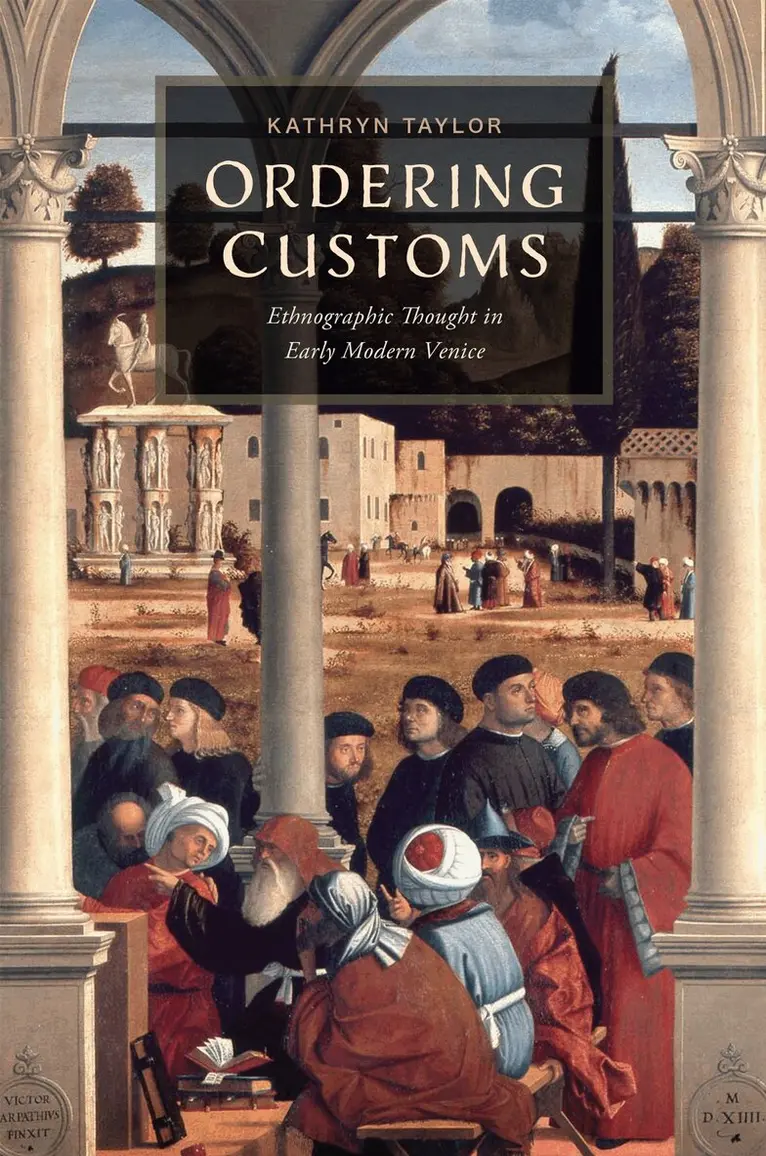
    Ordering Customs

    Ethnographic Thought in Early Modern Venice

    AvKathryn Taylor

    Häftad, Engelska, 2023

    Del i serien The Early Modern Exchange

    526 kr

    Beställningsvara. Skickas inom 5-8 vardagar. Fri frakt över 249 kr.

    Fler format och utgåvor

    Inbunden

    1 954 kr

    Beskrivning

    Ordering Customs explores how Renaissance Venetians sought to make sense of human difference in a period characterized by increasing global contact and a rapid acceleration of the circulation of information. Venice was at the center of both these developments. The book traces the emergence of a distinctive tradition of ethnographic writing that served as the basis for defining religious and cultural difference in new ways. Taylor draws on a trove of unpublished sources—diplomatic correspondence, court records, diaries, and inventories—to show that the study of customs, rituals, and ways of life not only became central in how Venetians sought to apprehend other peoples, but also had a very real impact at the level of policy, shaping how the Venetian state governed minority populations in the city and its empire. In contrast with the familiar image of ethnography as the product of overseas imperial and missionary encounters, the book points to a more complicated set of origins.

    Produktinformation

    • Utgivningsdatum:2023-05-12
    • Mått:156 x 235 x 20 mm
    • Vikt:340 g
    • Format:Häftad
    • Språk:Engelska
    • Serie:The Early Modern Exchange
    • Antal sidor:238
    • Förlag:University of Delaware Press
    • ISBN:9781644532997

    Utforska kategorier

    • Litteraturvetenskap inom Skönlitteratur
    • Antropologi inom Samhälle och politik
    • Renässansen inom Historia och arkeologi

    Mer om författaren

    KATHRYN TAYLOR is an assistant professor of history at the University of Tennessee at Chattanooga. Taylor specializes in the cultural and intellectual history of early modern Italy and the Mediterranean, with a focus on the history of cultural mediation, ethnography, and religious conversion. Their articles have appeared in History of European Ideas, Sixteenth Century Journal, and Journal of Early Modern History.

    Innehållsförteckning

    • Acknowledgments AbbreviationsIntroduction1 The Study of Customs2 Ambassadors as Ethnographers3 Ethnography and the Venetian State4 Reading Ethnography in Early Modern Venice5 Ethnography, the City, and the Place of Religious MinoritiesConclusionNotesBibliographyIndex