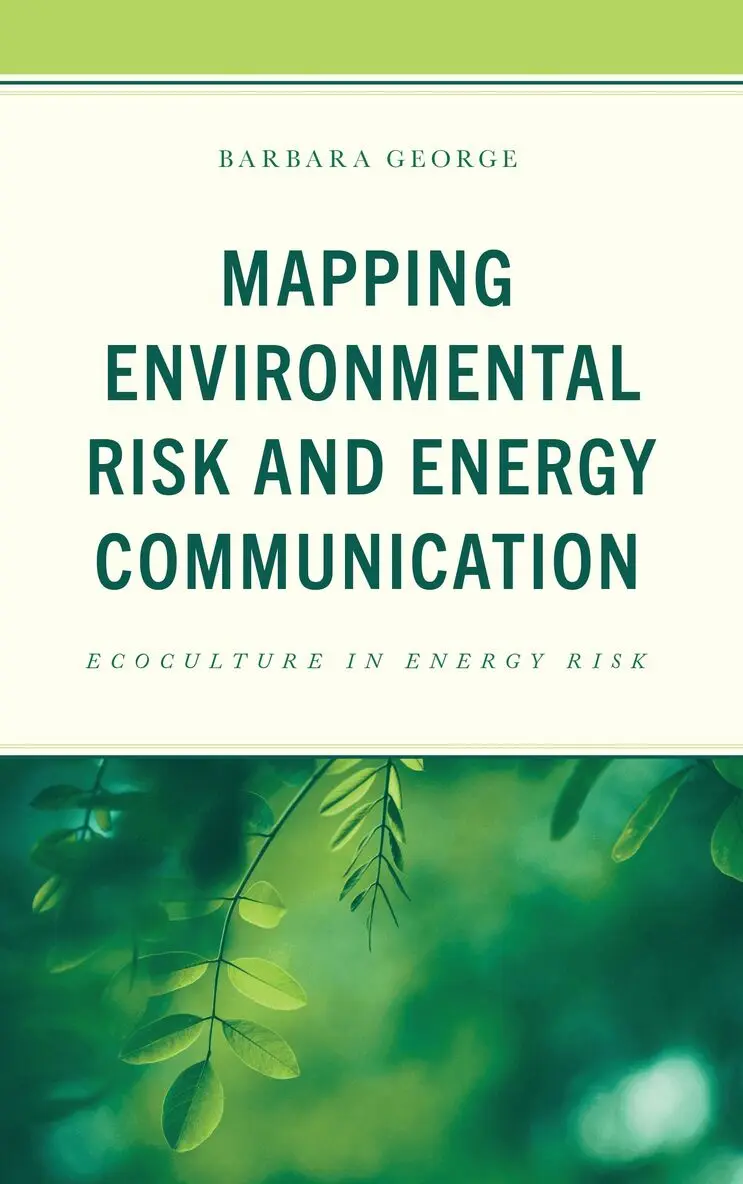
Inbunden, Engelska, 2025
Mapping Environmental Risk and Energy Communication
Ecoculture in Energy Risk
Del i serien Environmental Communication and Nature: Conflict and Ecoculture in the Anthropocene
1147 kr
Beställningsvara. Skickas inom 10-15 vardagar. Fri frakt över 249 kr.
Beskrivning
Produktinformation
- Utgivningsdatum: 2025-02-05
- Mått: 152 x 229 x 14 mm
- Vikt: 409 g
- Format: Inbunden
- Språk: Engelska
- Serie: Environmental Communication and Nature: Conflict and Ecoculture in the Anthropocene
- Antal sidor: 166
- Förlag: Bloomsbury Publishing Plc
- ISBN: 9781666926484
Utforska kategorier
Mer om författaren
Barbara George is lecturer of writing and communication at Carnegie Mellon University.
Recensioner i media
For those interested in literacy studies at intersection with environmental risk communication, George’s book offers critical insights into how place-based responses to environmental risks posed by the fracking industry work in tandem with ideological frameworks circulating in a given region. Using intersectional feminist principles, George adds to our understanding of how procedural justice and community-based literacies can aid public deliberation and representation of environmental risk that activists and policymakers can use to better evaluate and mitigate environmental risk.
Betyg & recensioner
0 recensioner
Inga recensioner tillgängliga.