• Fri frakt över 249 kr
  • •
  • Snabba leveranser
  • •
  • Billiga böcker
Kundservice

Du är på sajten för privatpersoner.

Företag, bibliotek eller offentlig verksamhet?

Du handlar på classic.bokus.com, där alla dina funktioner finns intakta.
Till classic.bokus.com
Bokus logotyp. Gå till startsidan.
  • Erbjudanden
  • Nyheter
  • Student
  • Topplistor
  • Barn & ungdom
  • Bokus Play
  • E-böcker
  • Pocketböcker
  • Spel & pussel

10% rabatt på allt med kod: NYSTART10 →

Sidfot

Mina sidor

    Hjälp

    • Kundservice
    • Vanliga frågor och svar
    • Frakt och leverans
    • Retur vid ångerrätt
    • Reklamera vara
    • Betalning
    • Köpvillkor
    • Allmänna villkor
    • Information om webbplatsens tillgänglighet

    Om Bokus

    • Om oss
    • Pressrum
    • För studenter
    • För företag
    • För bibliotek och offentlig verksamhet
    • För leverantörer
    • Hållbarhet

    Populärt

    • Aktuella erbjudanden
    • Presentkort
    • Studentlitteratur
    • Nya böcker
    • Topplistor
    • Signerade böcker
    • Engelska böcker

    Inspiration

    • Boktips
    • BookTok
    • Populära bokserier
    • Barnbokskaraktärer
    • Populära författare
    Logotyp för Bokus
    Följ oss på Facebook (extern länk)Följ oss på Instagram (extern länk)Följ oss på YouTube (extern länk)Följ oss på TikTok (extern länk)
    bokus @ CookiesAnpassa cookiesIntegritetspolicyKöpvillkor
    Till Citymail hemsida (extern länk)Till Budbee hemsida (extern länk)Till Postnord hemsida (extern länk)Till Schenker hemsida (extern länk)Till Early Bird hemsida (extern länk)Till Walleys hemsida (extern länk)
    1. Naturvetenskap och teknik
    2. Geovetenskap
    3. Miljövetenskap och miljöpolitik

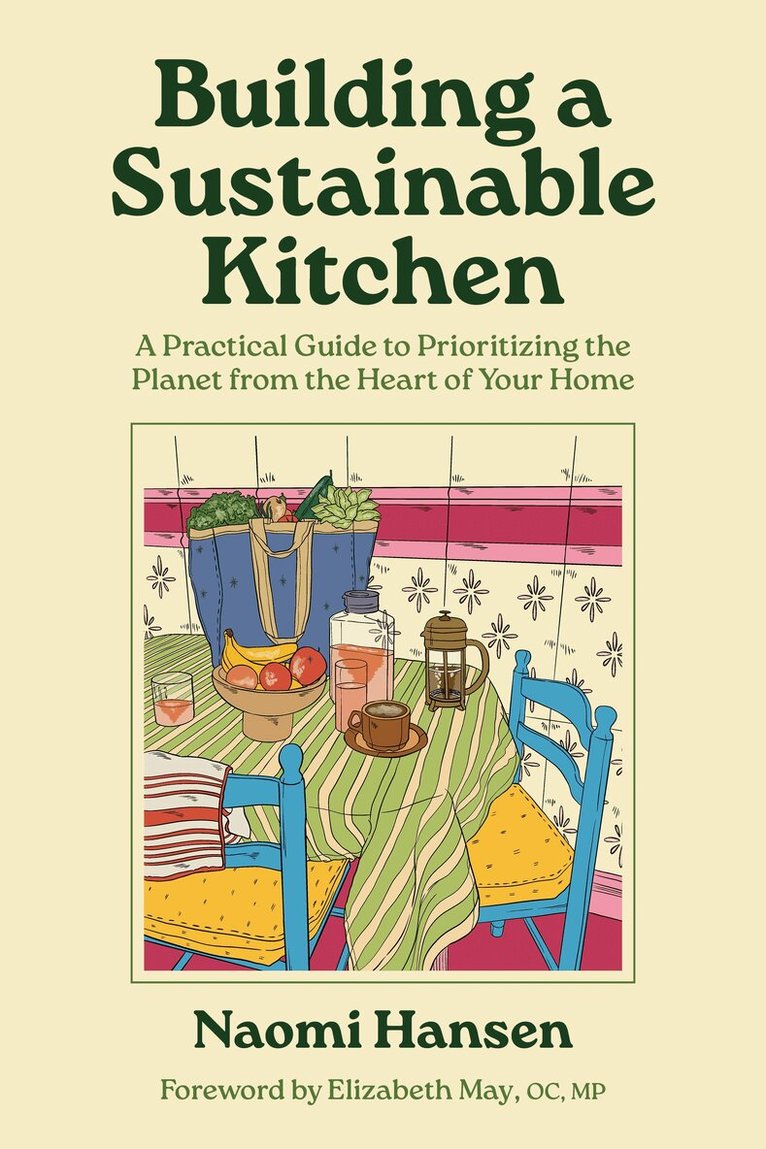
    Building a Sustainable Kitchen

    A Practical Guide to Prioritizing the Planet from the Heart of Your Home

    AvNaomi Hansen

    Häftad, Engelska, 2026

    Del i serien Touchwood Editions

    253 kr

    Beställningsvara. Skickas inom 5-8 vardagar. Fri frakt över 249 kr.

    Beskrivning

    “A revolutionary road map to changing our food systems, reducing waste, and improving health, with each chapter throwing light on subjects that are of deep interest to the climate-conscious consumer . . . Live well, eat well, and change the world!” —ElizabethMay, OC, MP, Leader of the Green Party of Canada“Looking to make your home and the world more sustainable? The kitchen is where your actions have the power to make the biggest impact and Naomi Hansen has done all the legwork to find out where and how you should prioritize your efforts. This is a fantastic, well researched reference guide for all of us.” —Bea Johnson, best-selling author of Zero Waste HomeBuilding a Sustainable Kitchen is the thoroughly researched and realistic step-by-step guide every climate-conscious consumer needs to make the heart of their home more planet-friendly.When Canadian food writer Naomi Hansen first started her sustainability journey, she was overwhelmed by conflicting advice, shiny advertisements, and unrealistic recommendations.Building a Sustainable Kitchen is her antidote: a solutions-focused, no-nonsense guide designed to help you cut through disinformation and greenwashing to make your kitchen trulysustainable, one step at a time.In each chapter, Naomi invites you on her journey to build a planet-friendly kitchen with help from her husband Paul and their dog Rue. Drawing on wisdom from hundreds of sources—including interviews with experts, academic studies, books, and organizations on the front lines of the climate crisis—and on the author's own experience as a regular Canadian in her humble kitchen, Building a Sustainable Kitchen demystifies the science behind how what we do in the kitchen every day affects our Earth—and most importantly, shows you what you can do about it.Each chapter contains a wealth of flexible recommendations for achievable, evidence-based changes that make a real impact for the planet. Chapters on reducing food waste, understanding plant-based, local, seasonal, and organic eating, and gardening teach us about the food on our plates. Chapters on the potential and pitfalls of composting and recycling, learning what it really means to send waste to a landfill, and navigating the nitty gritty of disposable and reusable items help us reduce garbage and grow toward a circular economy. From water use, to cleaning, to choosing appliances, to our beloved coffees and teas, Building a Sustainable Kitchen leaves no stone unturned. This heartfelt, practical guide proves that building a sustainable kitchen is not just possible, but that it can also be joyful and transformative.

    Produktinformation

    • Utgivningsdatum:2026-06-04
    • Mått:152 x 228 x 24 mm
    • Vikt:562 g
    • Format:Häftad
    • Språk:Engelska
    • Serie:Touchwood Editions
    • Antal sidor:368
    • Förlag:TouchWood Editions
    • Medarbetare:OC MP LeaderoftheGreenPartyofCanada Elizabeth May
    • ISBN:9781771514736

    Utforska kategorier

    • Miljövetenskap och miljöpolitik inom Naturvetenskap och teknik
    • Minimalism / enkel livsstil inom Hälsa och familj
    • Hållbar matlagning inom Mat och dryck

    Mer om författaren

    Naomi Hansen is the award-winning author of Only in Saskatchewan: Recipes & Stories from the Province's Best-Loved Eateries, her debut cookbook published in 2022. She is a contributor to many publications, including CBC, Chatelaine, and Canadian Living. Building a Sustainable Kitchen is her second book. She lives on Treaty 6 Territory in Saskatoon, Saskatchewan with her partner, Paul, and their dog, Rue. Find her online at naomihansen.ca.Elizabeth May is an Officer of the Order of Canada, a politician, environmental activist, lawyer, author, Member of Parliament, and Leader of the Green Party of Canada. She served as a policy advisor to the government of Prime Minister Brian Mulroney and, in 2011, she became the first Green Party Member elected to the House of Commons. May has served as leader of the Green Party from 2006 to 2019, co-leader of the party from 2022–2025, and is once again the sole leader as of February 2025.

    Recensioner i media

    "Building a Sustainable Kitchen by Naomi Hansen is a refreshing, down-to-earth guide that cuts through the noise and brings clarity to the conversation around sustainability at home. With a thoughtful, evidence-based approach, Naomi empowers everyday Canadians to take practical steps toward a greener kitchen, without guilt or overwhelm. Her chapter on managing food waste is especially powerful: packed with smart, achievable strategies that align with Second Harvest’s mission to prevent perfectly good food from going to waste. From shopping smart to making the most of leftovers, this book is a must-read for anyone who wants to nourish their family while nourishing the planet. Inspiring, informative, and rooted in real-life experience, Building a Sustainable Kitchen proves that sustainability starts right where we gather most, around the kitchen table." —Lori Nikkel, Chief Executive Officer of Second Harvest"Building a Sustainable Kitchen is a refreshing, evidence-driven antidote to the noise surrounding sustainability. Naomi Hansen cuts through greenwashing and guilt with a clear, practical roadmap for creating a more planet-friendly kitchen—one realistic step at a time. Drawing on extensive interviews, academic research, and her own lived experience as a regular Canadian cook, Hansen demystifies the science behind everyday choices with honesty and humility. This book is grounded, accessible, and most importantly, useful. It’s a timely guide for anyone seeking sustainable habits without the hype.” —Sylvain Charlebois, Senior Director of the Agri-Food Analytics Lab at Dalhousie University and co-host of The Food Professor Podcast“Eating sustainably can feel overwhelming! Naomi’s book breaks down complicated concepts into practical, doable steps that have real impact. Building a Sustainable Kitchen offers people flexibility and meets them where they are, at every stage of their sustainable living journey. With region-focused advice, easy-to-follow takeaways, and ‘What You Can Do’ sections scattered throughout, this book is an essential guide to building a sustainable future for all. Buy this book now—you’ll love it!” —Puneeta Chhitwal-Varma, author of Globe and Mail Best Cookbook, Good Food, Healthy Planet“Reducing food waste is one of the most powerful individual actions you can take. This book is your A to Z on how and why these simple everyday shifts in your kitchen can help reduce our carbon footprint. Going zero waste is impossible but it is something we all need to work towards.” —Christine Tizzard, creator of Zero-Waste Kitchen, author of Honest to Goodness, and ambassador for Love Food, Hate Waste“Looking to make your home and the world more sustainable? The kitchen is where your actions have the power to make the biggest impact and Naomi Hansen has done all the legwork to find out where and how you should prioritize your efforts. This is a fantastic, well researched reference guide for all of us.” —Bea Johnson, best-selling author of Zero Waste Home

    Innehållsförteckning

    • Table of ContentsForeword by Elizabeth May, Member of Parliament, Leader of the Green Party of CanadaIntroductionMy Journey to Building a Sustainable KitchenUnderstanding SustainabilityUnderstanding Climate ChangeWhy Food and KitchensBut Does Individual Action Really Matter?How to Use This BookThe Journey BeginsChapter 1: Food WasteWhat Is Food Waste and Why Does It Even Matter?What Food Waste Costs UsWhat Food Waste Costs the PlanetWhat You Can DoTake Stock: Build Awareness of Your Food Waste HabitsTake Stock Again: Check In with Your Fridge, Freezer, and Pantry RegularlyPlan Ahead, at the Store and at HomeUnderstand Best-Before DatesImprove Your Food Storage HabitsTable: Consumer Best Before TimetableBe Mindful of Food Waste Beyond Your Dinner TableTakeawaysChapter 2: Low-Waste CookingWhat You Can DoLearn to Cook Intuitively with What You HaveGet Comfortable SubstitutingUse Foods in Their EntiretyFind "Anything Goes" Recipes That Work for YouRepurpose Leftovers to Create Something Even BetterTakeawaysChapter 3: What We EatThe Impact of the Global Food SystemPlant-Based and Animal-Based Foods by the NumbersChart: Greenhouse Gas Emissions Across the Supply ChainBeef and Other Ruminant AnimalsWhat About Local or Sustainably Raised Food? How About Packaging?Chart: Global Greenhouse Gas Emissions from Food ProductionWhat About Fish and Seafood?What About DairyThe Prominence of Animal-Based Foods in SocietyThe Impacts of Plant-Based FoodsWhat You Can DoShift Toward a Plant-Based DietTake stock of Your Starting PointInvite Your Loved Ones into the ProcessSet Reasonable GoalsStart with What's Easiest for YouLearn to Cook with Plant-Based ProteinPrioritize Progress over Perfection and Reflect on the ProcessTakeawaysChapter 4: Local, Seasonal, OrganicEating LocalEating SeasonalWhy Eat Local and Seasonal?Eating Sustainably Looks Different in Every ClimateEating OrganicWhat Makes Food Organic?Is Eating Organic More Sustainable?What You Can DoReframe How You Think About Local and Seasonal FoodVisit a Farmers' Market Near YourSubscribe to a CSA or Local Food BoxBuy Your Animal-Based Foods Local and OrganicFind Your Region's Unique Ways to Source and Support Local, Seasonal, and OrganicTakeawaysChapter 5: Grocery ShoppingThe Principles Behind Sustainable Grocery ShoppingWhat You Can DoCreate a Reusable Grocery Shopping KitFind a Bulk Bin Store Near YouShop at a Zero-Waste Grocery StoreBuy in Bulk to Save on PackagingVisit Individual Local BusinessesSubscribe to a Food-Saving Produce BoxShop more Sustainably at a Conventional Grocery StoreBonus: Apply These Principles to Everything You BuyTakeawaysSidebar: Does Sourcing Food Sustainably Cost More?Chapter 6: CompostingHow Does Composting Work?Why Composting Helps Create a More Circular SystemWhat You Can DoUse Your Curbside Organics Collection Program—and Use it WellAdvocate for an Organics Program Near YouChoose a Home Composting OptionBonus: Understand Compostable Plastics—but Keep Them out of Your CompostTakeawaysChapter 7: RecyclingA Brief History of RecyclingWhat Is Mechanical Recycling?Which Materials Recycle Well?The Challenge of Recycling PlasticTypes of Plastic—and How They Affect RecyclingThe Economics of Recycling PlasticThe Challenges of Composite PlasticsUnderstanding Recycling LabelsOur Obsession With RecyclingWhat You Can DoGo on a Recycling TourFollow the Waste Hierarchy: Reduce, Reuse, Then RecycleUse the Recycling Services Available to You—and Use Them WellDo Your Homework for Hard-to-Recycle ItemsTakeawaysChapter 8: GarbageDefining WasteA Brief History of GarbageThe Grim Reality of LandfillsLinear Versus Circular SystemsThe Zero-Waste HierarchyWhat You Can DoReplace Garbage with Landfill in Your VocabularyTake Stock: Do a Kitchen Garbage InventoryMake Less GarbageConsider Your Garbage BagTakeawaysSidebar: My Experience Making Less Garbage—and the Limits of Individual ActionChapter 9: Disposables and ReusablesAre Reusable Items Always More Sustainable?The Zero-Waste Hierarchy: Zooming In on Refuse and ReduceWhat You Can DoRefuse: Use Up What You Already Have—and Then See What HappensImplement the Zero-Waste Hierarchy in Your KitchenThe Waste Hierarchy CategoriesLearning to Think Zero WasteAluminum Foil and PansDinnerwareDrink ReceptaclesPaper Baking ProductsPaper NapkinsPaper TowelPlastic Wrap of Cling WrapPlastic Zip-Top BagsStrawsWax PaperTakeawaysSidebar: Share What Your HaveChapter 10: PlasticsWhat Even Is Plastic? When Was It Created?What Happens to Plastic Once It Becomes Waste?Microplastics, Chemicals, and UsWhy Avoid PlasticsWhat You Can DoTake Stock: Do a Plastics Inventory in Your KitchenReduce and Avoid Plastics Moving ForwardTakeawaysChapter 11: Coffee and TeaThe Environmental Impacts of CoffeeThe Environmental Impacts of TeaA Sustainable Morning CuppaWhat You Can DoBuy Coffee and Tea That are More SustainableTake Stock: Clean Up Your Home Coffee and Tea RoutineDeliberately Reject Disposable Coffee CultureTakeawaysChapter 12: GardeningBuilding My Sustainable GardenWhat You Can DoStart a GardenTake Care of the SoilSay No to Synthetic Pesticides and FertilizersHarvest RainwaterDon't Buy a Bunch of New Garden StuffConsider End-of-Season PracticesBonus: Rewild Your Green Space Using Native PlantsTakeawaysChapter 15: WaterWater Use in CanadaWhat You Can DoWaste Less Water When You CookPut Thought into Your Drinking WaterCheck Your Kitchen Sink and TapConsider Your Dishwashing HabitsTakeawaysChapter 14: CleaningWhat You Can DoTake Stock: Do an Inventory of Your Kitchen Cleaning and Dish ProductsOpt for Greener CleanersTry Cleaning with Household IngredientsEvaluate Your Dish SoapEvaluate Your Cleaning and Dishwashing SuppliesTakeawaysChapter 15: AppliancesAppliances and Energy ConsumptionRenewable EnergyWhat You Can DoUse the Appliances You Already Have More EfficientlyCheck for Phantom PowerBuy Large Appliances That Are Energy EfficientBuy Small Appliances and Kitchen Gear Sparingly and ThoughtfullyRepair Your AppliancesImplement the Waste Hierarchy for End of LifeTakeawaysWhat’s Next? Building Sustainability Beyond the KitchenSustainability in an Unsustainable CultureThe Most Sustainable Actions Are Not Always What They SeemIndividuals Can Make Sustainable Choices, but Systems Need to Catch UpSustainability Is an Ongoing ChoiceWhat Is the Most IMpactful Action You Can Take From This Book?What More Can You Do?The Future Is in Our HandsAcknowledgementsResource List BibliographyList of Interviewees List of Figures Index