• Fri frakt över 249 kr
  • •
  • Snabba leveranser
  • •
  • Billiga böcker
Kundservice

Du är på sajten för privatpersoner.

Företag, bibliotek eller offentlig verksamhet?

Du handlar på classic.bokus.com, där alla dina funktioner finns intakta.
Till classic.bokus.com
Bokus logotyp. Gå till startsidan.
  • Erbjudanden
  • Nyheter
  • Student
  • Topplistor
  • Barn & ungdom
  • Bokus Play
  • E-böcker
  • Pocketböcker
  • Spel & pussel

10% rabatt på allt med kod NYSTART10 →

Sidfot

Mina sidor

    Hjälp

    • Kundservice
    • Vanliga frågor och svar
    • Frakt och leverans
    • Retur vid ångerrätt
    • Reklamera vara
    • Betalning
    • Köpvillkor
    • Allmänna villkor
    • Information om webbplatsens tillgänglighet

    Om Bokus

    • Om oss
    • Pressrum
    • För studenter
    • För företag
    • För bibliotek och offentlig verksamhet
    • För leverantörer
    • Hållbarhet

    Populärt

    • Aktuella erbjudanden
    • Presentkort
    • Studentlitteratur
    • Nya böcker
    • Topplistor
    • Signerade böcker
    • Engelska böcker

    Inspiration

    • Boktips
    • BookTok
    • Populära bokserier
    • Barnbokskaraktärer
    • Populära författare
    Logotyp för Bokus
    Följ oss på Facebook (extern länk)Följ oss på Instagram (extern länk)Följ oss på YouTube (extern länk)Följ oss på TikTok (extern länk)
    bokus @ CookiesAnpassa cookiesIntegritetspolicyKöpvillkor
    Till Citymail hemsida (extern länk)Till Budbee hemsida (extern länk)Till Postnord hemsida (extern länk)Till Schenker hemsida (extern länk)Till Early Bird hemsida (extern länk)Till Walleys hemsida (extern länk)
    1. Samhälle och politik
    2. Sociologi och antropologi
    3. Antropologi

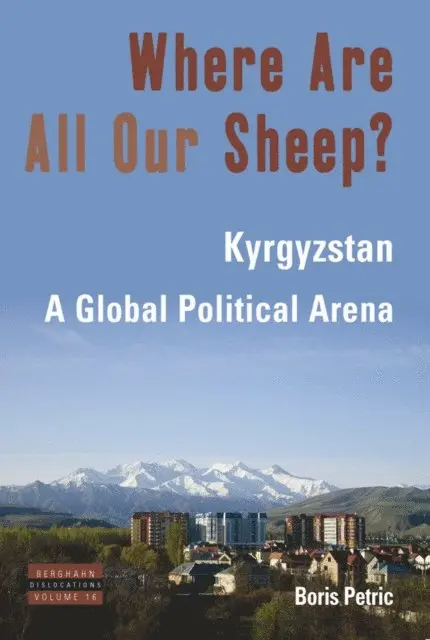
    Where Are All Our Sheep?

    Kyrgyzstan, A Global Political Arena

    AvBoris Petric

    Inbunden, Engelska, 2015

    Del i serien Dislocations

    1 861 kr

    Beställningsvara. Skickas inom 5-8 vardagar. Fri frakt över 249 kr.

    Fler format och utgåvor

    E-bok

    284 kr

    Beskrivning

    After the collapse of the USSR, Kyrgyzstan chose a path of economic and political liberalization. Only a few years later, however, the country ceased producing anything of worth and developed a dependence on the outside world, particularly on international aid. Its principal industry, sheep breeding, was decimated by reforms suggested by international institutions providing assistance. Virtually annihilated by privatization of the economy and deserted by Moscow, the Kyrgyz have turned this economic “opening up” into a subtle strategy to capture all manner of resources from abroad. In this study, the author describes the encounters, sometimes comical and tinged with incomprehension, between the local population and the well-meaning foreigners who came to reform them.

    Produktinformation

    • Utgivningsdatum:2015-09-01
    • Mått:152 x 229 x 15 mm
    • Vikt:426 g
    • Format:Inbunden
    • Språk:Engelska
    • Serie:Dislocations
    • Antal sidor:186
    • Förlag:Berghahn Books
    • ISBN:9781782387831

    Utforska kategorier

    • Antropologi inom Samhälle och politik
    • Referensverk och tvärvetenskap inom Samhälle och politik

    Mer om författaren

    Boris Petric is a Social Anthropologist and a Senior Researcher at the CNRS in Marseilles. His first book Pouvoir, don et réseaux en Ouzbékistan post-soviétique (2002), was awarded the Le Monde prize for university research. He recently edited Democracy at Large: NGO’s, Political Foundations, Think Tanks and International Organisations (Palgrave Macmillan, 2012).

    Recensioner i media

    “This very rich and accessible ethnography speaks to all social sciences researchers working in countries that live through major social, political, economic and symbolic restructuration due to their adoption of the market economy and democracy (Central Asia, the Balkans)…This ethnography is an excellent point of departure for future anthropology researchers who work in a very complex and paradoxical world of today.” • Anthropology News“…a wide-ranging and engaging book, which provides a vivid portrait of the fall-out from two decades of economic and political experimentation in this ‘laboratory’ for democratic reform in Central Asia.” • Anthropos“…the best book to date on post-Soviet Kyrgyzstan. It combines personal observations with careful, critical analysis. The style is at times humorous and conversational, creating the impression at first glance that it might be a somewhat superficial account of the region. In fact, however, it is an extraordinarily perceptive analysis of the process of transition and re-adjustment in a highly complex society.” • Shirin Akiner, University of Cambridge and University of London

    Innehållsförteckning

    • AcknowledgementsMap of Central AsiaMap of KyrgyzstanIntroduction: Someone Ate All Our SheepOn the Kyrgyz HighlandsIn Search of a BaselineLooking Back on a Soviet Economy of Intensive Livestock FarmingFrom Kolkhoz to VillageThe Anthropologist in the Face of Social ChangeSome Local Authority FiguresThe Former Kolkhoz Chairman: The BashkarmaThe New Official Local Authority: The Ayil OkmotuThe “Biznesman”: Economic PowerThe Shepherd: A Prestigious but Powerless FigureThe Moldo or the Affirmation of Religious AuthorityThe Rise of NGOs and the Development of Private EnterpriseLogics of Power: Appropriation, Plunder, and Capture of ResourcesChapter 1. Manas, Unesco, and the Kyrgyz FabulaManas: Political Uses of a Traditional Oral EpicIndigenization and Nationalization of the EpicManas 1000: Political Ritual of the New Kyrgyz IdentityManas Gumbez: A National Heritage SiteManas Ayili and the Building of an International ImageUNESCO: Global Entrepreneur of the Kyrgyz National ImaginaryPolysemous Perceptions of the Creation of the New National ImaginaryDemocracy, Decentralization, Tribal Identity, and MinoritiesAffirmation of Ethnic Identity in the South of the CountryEnhancing “Tribal” Identity in the NorthManas in a Context of GlobalizationChapter 2. Kyrgyzstan and Good Governance ExpertsThe Ideology of Good Governance: Minimal Government, Private Enterprise and Civil SocietyThe UNPD: Decline of the State, Promotion of Local and Traditional Political PracticesFrom an Economic Planning Culture to a Project CulturePromoting DemocracyThe Development of Local Kyrgyz NGOsElectoral Assistance: Technical Aid or Political InterferenceChapter 3. Elections and the Promotion of DemocracyEthnography of an ElectionIFES and Elections: Democracy@largeEthnography of an American Political Foundation Training SessionTraining and Strategy of InfluenceEligibility: The Demokrat and KyrgyznessChapter 4. The Fall of the Common HouseThe Soviet Regime or the Ambition to Establish Absolute Control over Human FlowsAskar Akayev’s Common House Ideology and Emigration of the Russian-Speaking PopulationRural Exodus and Urban SprawlFrom Migration to Increased Kyrgyz MobilityThe Russian Perspective: GastarbeiterThe Political Weight of Remittances in KyrgyzstanChapter 5. The Bazaar: Symbol of a Society of TradersThe Bazaar: The Return to a Natural Economic Order?The “Bazarkoms”: New Social FiguresProperty and Political Protection: The Dordoy Bazaar and Askar SalymbekovFrom Dordoy Bazar to Dordoy Associatsia: The Transmission of CapitalPatronage and Political ClienteleRedistribution and Social LegitimacySoccer and Kok-boruGiving to the Dead and to God: Monuments and JubileesThe Changing Face of the Bazaar: The Labor Market on Avenue Maladoja GuardiaChapter 6. Civil Society and Election MonitoringKoalitsia and the National Democratic InstituteBaisalov: Portrait of a Democracy Promotion IconKoalitsia and the ENEMO Transnational NetworkIntellectual Influences: Non-Violent MovementsKoalitsia’s Hour of Glory: The Tulip RevolutionParticipative Observation in an Election MissionThe Election Mission: A Multi-camp CaravanThe Deployment of ObserversReturn to the Capital and DebriefingThe Press ConferenceCocktail Hour: The Communion Ritual of Democracy PromotersCommunion of Contentious Actors: Opposition Coalition, Koalitsia, and Kel-KelChapter 7. The Transnationalization of PoliticsAnthropology of a Fraudulent ElectionElectoral Observation and Local DynamicsA Changing Political Personnel: From Appointees to Elected OfficialsBecoming a Deputat: An Exemplary Political BattlePolitical Transhumance, Opposition, Marginalization, and ExilePolitical Practices and Regional FactionalismThe New Role of the President and Appointed Political PersonnelFrom Communism to KeminismFrom Keminism to TeyitismThe Political Change in 2005: Revolution, Overthrow, or Coup?Conclusion: The Kyrgyz Laboratory and the Global PoliticsAfterword: From the Kyrgyz Fabula to the Ethnic Apocalypse?Appendix I: Kyrgyz Republic TimelineAppendix II: Census of Kyrgyzstan PopulationIndex