• Fri frakt över 249 kr
  • •
  • Snabba leveranser
  • •
  • Billiga böcker
Kundservice

Du är på sajten för privatpersoner.

Företag, bibliotek eller offentlig verksamhet?

Du handlar på classic.bokus.com, där alla dina funktioner finns intakta.
Till classic.bokus.com
Bokus logotyp. Gå till startsidan.
  • Erbjudanden
  • Nyheter
  • Student
  • Topplistor
  • Barn & ungdom
  • Bokus Play
  • E-böcker
  • Pocketböcker
  • Spel & pussel

10% rabatt på allt med kod NYSTART10 →

Sidfot

Mina sidor

    Hjälp

    • Kundservice
    • Vanliga frågor och svar
    • Frakt och leverans
    • Retur vid ångerrätt
    • Reklamera vara
    • Betalning
    • Köpvillkor
    • Allmänna villkor
    • Information om webbplatsens tillgänglighet

    Om Bokus

    • Om oss
    • Pressrum
    • För studenter
    • För företag
    • För bibliotek och offentlig verksamhet
    • För leverantörer
    • Hållbarhet

    Populärt

    • Aktuella erbjudanden
    • Presentkort
    • Studentlitteratur
    • Nya böcker
    • Topplistor
    • Signerade böcker
    • Engelska böcker

    Inspiration

    • Boktips
    • BookTok
    • Populära bokserier
    • Barnbokskaraktärer
    • Populära författare
    Logotyp för Bokus
    Följ oss på Facebook (extern länk)Följ oss på Instagram (extern länk)Följ oss på YouTube (extern länk)Följ oss på TikTok (extern länk)
    bokus @ CookiesAnpassa cookiesIntegritetspolicyKöpvillkor
    Till Citymail hemsida (extern länk)Till Budbee hemsida (extern länk)Till Postnord hemsida (extern länk)Till Schenker hemsida (extern länk)Till Early Bird hemsida (extern länk)Till Walleys hemsida (extern länk)
    1. Psykologi och pedagogik
    2. Psykologi
    3. Kognitiv psykologi

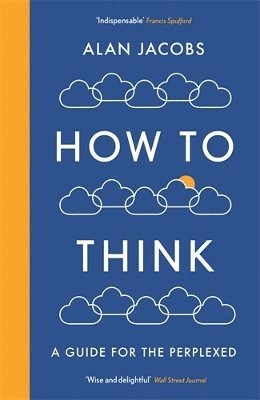
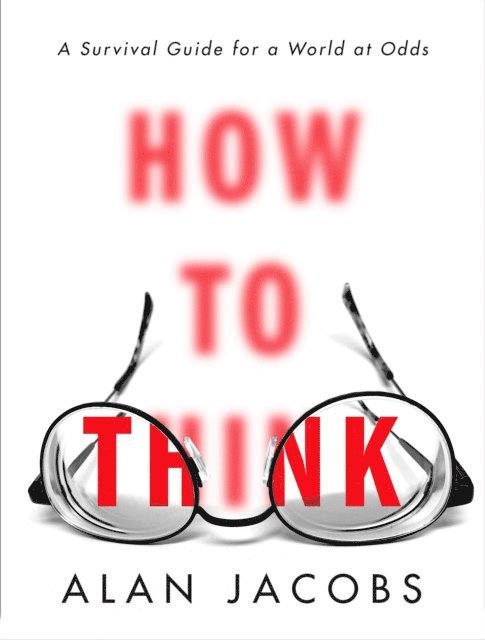
    How To Think

    A Guide for the Perplexed

    AvAlan Jacobs

    E-bok
    Engelska, 2017

    97 kr

    Läs direkt i Bokus Reader – eller ladda ned till din enhet

    Fler format och utgåvor

    E-bok

    74 kr

    Häftad

    118 kr

    Beskrivning

    How to Think is a contrarian treatise on why we''re not as good at thinking as we assume - but how recovering this lost art can rescue our inner lives from the chaos of modern life.Most of us don''t want to think, writes the American essayist Alan Jacobs. Thinking is trouble. It can force us out of familiar, comforting habits, and it can complicate our relationships with like-minded friends. Finally, thinking is slow, and that''s a problem when our habits of consuming information (mostly online) leave us lost in the echo chamber of social media, where speed and factionalism trump accuracy and nuance.In this clever, witty book, Jacobs diagnoses the many forces that prevent thought - forces that have only worsened in the age of Twitter, such as "alternative facts," and information overload. He also dispels the many myths we hold about what it means to think well. (For example: it''s impossible to "think for yourself.")Drawing on sources as far-flung as the novelist Marilynne Robinson, the basketball legend Wilt Chamberlain, the British philosopher John Stuart Mill and the Christian theologian C.S. Lewis, Jacobs digs into the nuts and bolts of the cognitive process, offering hope that each of us can reclaim our mental lives from the whirlpool of what now passes for public debate.After all, if we can learn to think together, perhaps we can learn to live together.

    Produktinformation

    • Utgivningsdatum:2017-10-26
    • Språk:Engelska
    • Filformat:EPUB
    • Kopieringsskydd:LCP
    • ISBN:9781782834069
    • Förlag:Profile Books Ltd

    Utforska kategorier

    • Kognitiv psykologi inom Psykologi och pedagogik
    • Populärfilosofi inom Filosofi och religion

    Mer om författaren

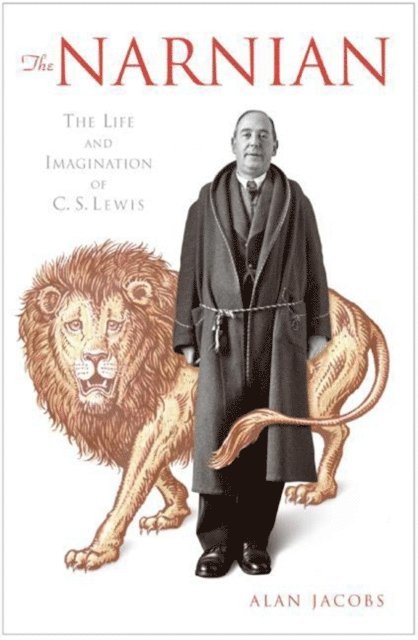
    Alan Jacobs is the Distinguished Professor of the Humanities at Baylor University. He has written extensively for the Atlantic, WSJ, the New Atlantis, and Harper's and is the author of several books, including a well-received biography of C. S. Lewis and a book on the pleasures of reading. Find him on twitter @ayjay and visit his website at http://blog.ayjay.org/

    Recensioner i media

    Witty, engaging, and ultimately hopeful, Jacobs's guide is sorely needed in a society where partisanship too often trumps the pursuit of knowledge.