• Fri frakt över 249 kr
  • •
  • Snabba leveranser
  • •
  • Billiga böcker
Kundservice

Du är på sajten för privatpersoner.

Företag, bibliotek eller offentlig verksamhet?

Du handlar på classic.bokus.com, där alla dina funktioner finns intakta.
Till classic.bokus.com
Bokus logotyp. Gå till startsidan.
  • Erbjudanden
  • Nyheter
  • Student
  • Topplistor
  • Barn & ungdom
  • Bokus Play
  • E-böcker
  • Pocketböcker
  • Spel & pussel

Må bättre, för mindre! Upp till 50% rabatt på hälsoböcker

Sidfot

Mina sidor

    Hjälp

    • Kundservice
    • Vanliga frågor och svar
    • Frakt och leverans
    • Retur vid ångerrätt
    • Reklamera vara
    • Betalning
    • Köpvillkor
    • Allmänna villkor
    • Information om webbplatsens tillgänglighet

    Om Bokus

    • Om oss
    • Pressrum
    • För studenter
    • För företag
    • För bibliotek och offentlig verksamhet
    • För leverantörer
    • Hållbarhet

    Populärt

    • Aktuella erbjudanden
    • Presentkort
    • Studentlitteratur
    • Nya böcker
    • Topplistor
    • Signerade böcker
    • Engelska böcker

    Inspiration

    • Boktips
    • BookTok
    • Populära bokserier
    • Barnbokskaraktärer
    • Populära författare
    Logotyp för Bokus
    Följ oss på Facebook (extern länk)Följ oss på Instagram (extern länk)Följ oss på YouTube (extern länk)Följ oss på TikTok (extern länk)
    bokus @ CookiesAnpassa cookiesIntegritetspolicyKöpvillkor
    Till Citymail hemsida (extern länk)Till Budbee hemsida (extern länk)Till Postnord hemsida (extern länk)Till Schenker hemsida (extern länk)Till Early Bird hemsida (extern länk)Till Walleys hemsida (extern länk)
    1. Samhälle och politik
    2. Politik och statsskick
    3. Politiska partier

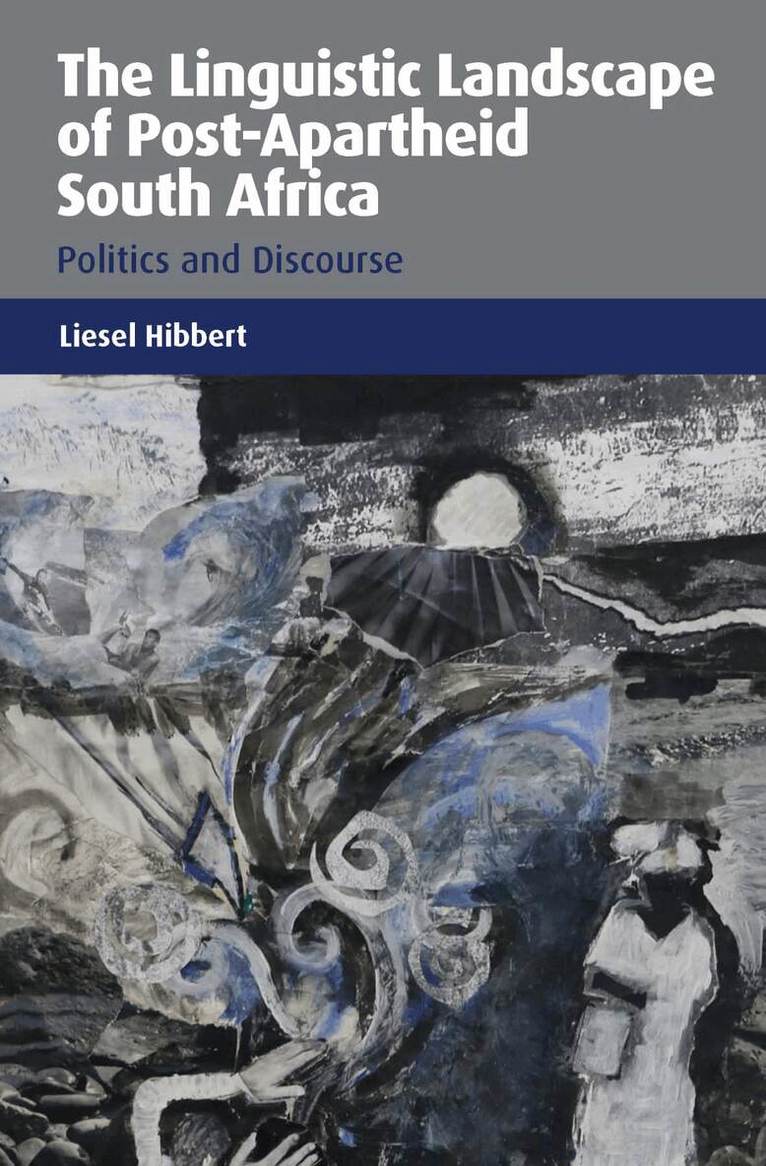
    Linguistic Landscape of Post-Apartheid South Africa

    Politics and Discourse

    AvLiesel Hibbert

    Inbunden, Engelska, 2016

    Del i serien Multilingual Matters

    1 233 kr

    Tillfälligt slut

    Beskrivning

    The appointment of Nelson Mandela as President of South Africa in 1994 signalled the end of apartheid and transition to a new democratic constitution. This book studies discursive trends during the first twenty years of the new democracy, outlining the highlights and challenges of transforming policy, practice and discursive formations. The book analyses a range of discourses which signal how and by what processes the linguistic landscape and identities of South Africa’s inhabitants have changed in this time, finding that struggles in South African politics go hand in hand with shifts in the linguistic landscape. In a country now characterised by multilingualism, heteroglossia, polyphony and translanguaging, the author debates where the discourse practices of those born post-1994 may lead.

    Produktinformation

    • Utgivningsdatum:2016-06-24
    • Mått:156 x 234 x 16 mm
    • Vikt:438 g
    • Format:Inbunden
    • Språk:Engelska
    • Serie:Multilingual Matters
    • Antal sidor:167
    • Förlag:Channel View Publications Ltd
    • ISBN:9781783095803

    Utforska kategorier

    • Politiska partier inom Samhälle och politik
    • Språkvetenskap och lingvistik inom Språk och ordböcker

    Mer om författaren

    Liesel Hibbert is Senior Lecturer in the Faculty of Education, Cape Peninsula University of Technology, South Africa. Her interests include discourse studies, South African writing, linguistic ethnography, political rhetoric, stylistics, the bilingual classroom and higher education pedagogy. Her previous publications include Multilingual Universities in South Africa (Multilingual Matters, 2014), which she co-edited with Christa van der Walt.

    Recensioner i media

    The linguistic landscape of post-apartheid South Africa is of a bewildering complexity. Liesel Hibbert's study admirably aims to paint a picture that does justice to the different voices and viewpoints in this constellation. Her book is essential reading not only for those wishing to learn more about the sociolinguistics of contemporary South Africa, but also for readers with a more theoretical interest in linguistic pluralism in a conflict-ridden postcolonial setting.

    Innehållsförteckning

    • Introduction1     The Release of Nelson Mandela as the Advent of Democracy2     Shifts in the Politico-Linguistic Landscape, Post 19943     Linguistic Changes in Parliament 1994-1998 – Paving the Way for Linguistic Democracy4      Reconfigured Features of the African Oral Tradition5      Recontextualised Residues of Rhetoric from the Previous Era6      Historical Explanations for Literacy Backlogs in South Africa7      Black South African English versus Other African Englishes In The 90s8     The Rhetoric of Pan-Africanism and the African Renaissance9      The Debate around African Identity in South Africa10     Expressions of Neo-Traditional Patriarchy in the Speeches of President Zuma11    Return to Self-Censorship in Political Journalism – Echoes of the 50s And 60s12    Localisation Initiatives13    The Position of African Languages14    Superdiversity and Translanguaging - A New Discursive Order?ReferencesIndex