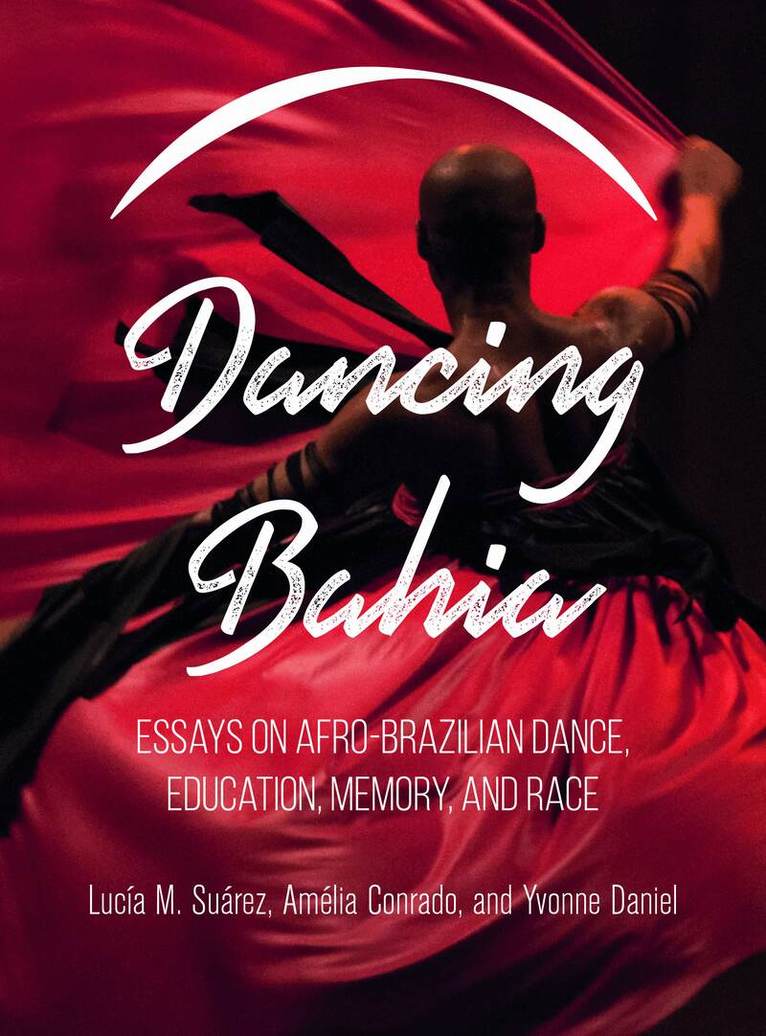
Dancing Bahia
Essays on Afro-Brazilian Dance, Education, Memory, and Race
AvLucia M. Suarez,Amélia Conrado
474 kr
Beställningsvara. Skickas inom 5-8 vardagar. Fri frakt över 249 kr.
Du är på sajten för privatpersoner.
AvLucia M. Suarez,Amélia Conrado
474 kr
Beställningsvara. Skickas inom 5-8 vardagar. Fri frakt över 249 kr.
Lucía M. Suárez is associate professor and director of Latino/a studies in the Department of World Languages and Cultures at Iowa State University.Amélia Conrado is a professor at the Federal University of Bahia’s School of Dance.Yvonne Daniel is professor emerita of dance and Afro-American studies at Smith College.
'Through Dancing Bahia: Essays on Afro-Brazilian Dance, Education, Memory and Race, Lucía M. Suárez, Amélia Conrado, and Yvonne Daniel have created a field-establishing volume that examines the interstices of artistic practice and political activism in Afro-Brazilian dance works. Grounding research in the lives of Black people living at the center of the Black Atlantic, this volume locates Salvador da Bahia as a powerful nexus of dance practice and black activism, and wonderfully argues for its significance as one of the world’s epicentres for conversations on race, cultural memory, belonging, and human rights advocacy. With wonderful insights from a range of contributors on dance’s role in race relations, education and emancipation in Brazil, this book importantly contributes new Afro-Bahian knowledge to the field of dance studies.'
Du är på sajten för privatpersoner.
AvLucia M. Suarez,Amélia Conrado
474 kr
Beställningsvara. Skickas inom 5-8 vardagar. Fri frakt över 249 kr.
Lucía M. Suárez is associate professor and director of Latino/a studies in the Department of World Languages and Cultures at Iowa State University.Amélia Conrado is a professor at the Federal University of Bahia’s School of Dance.Yvonne Daniel is professor emerita of dance and Afro-American studies at Smith College.
'Through Dancing Bahia: Essays on Afro-Brazilian Dance, Education, Memory and Race, Lucía M. Suárez, Amélia Conrado, and Yvonne Daniel have created a field-establishing volume that examines the interstices of artistic practice and political activism in Afro-Brazilian dance works. Grounding research in the lives of Black people living at the center of the Black Atlantic, this volume locates Salvador da Bahia as a powerful nexus of dance practice and black activism, and wonderfully argues for its significance as one of the world’s epicentres for conversations on race, cultural memory, belonging, and human rights advocacy. With wonderful insights from a range of contributors on dance’s role in race relations, education and emancipation in Brazil, this book importantly contributes new Afro-Bahian knowledge to the field of dance studies.'