E-bok, Engelska, 2021
Archaeologies of waste
Av Daniel Sosna, Lenka Brunclíková
126 kr
Läs direkt i Bokus Reader – eller ladda ned till din enhet
Beskrivning
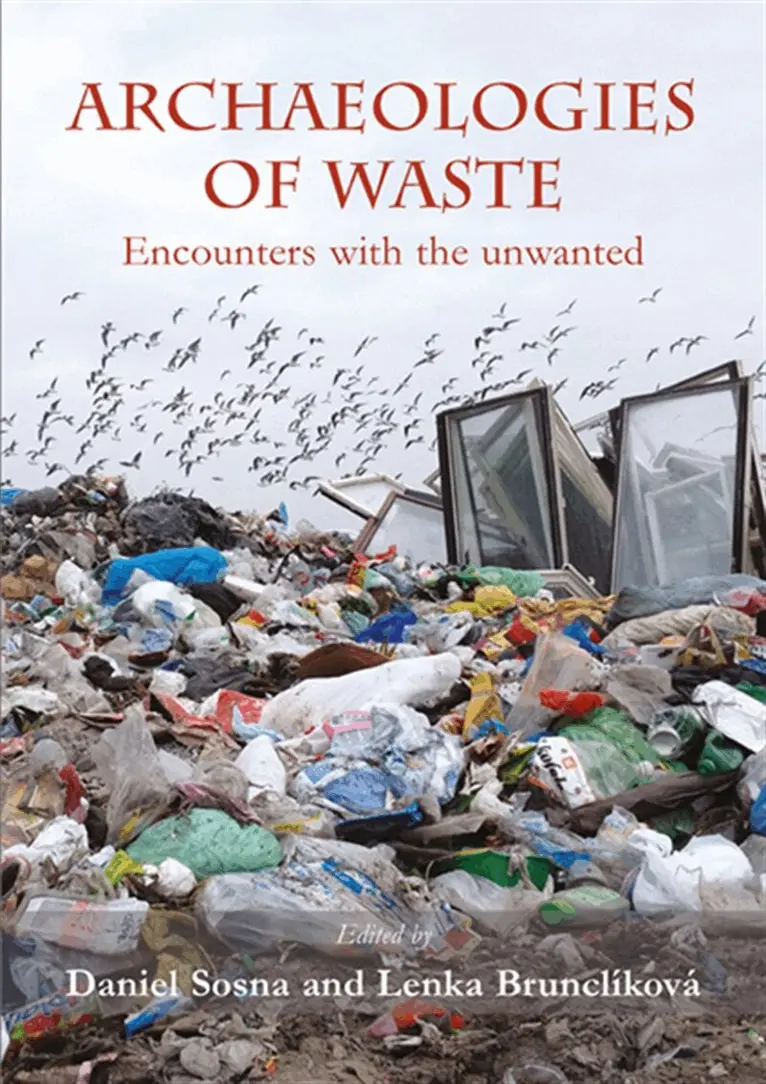
Waste represents a category of ‘things’, which is familiar and ubiquitous but rarely reflected in archaeological and cultural studies. Perception of waste changes over time and practices associated with waste vary. The ambiguity of waste challenges traditional archaeological approaches that take advantage of refuse to infer past behavior. Recent developments in research in the social sciences and humanities indicate that waste offers many more dimensions for exploration.
This interdisciplinary book brings together scholars who demonstrate the potential of research into waste for understanding humans, non-humans and their interrelations. In 12 chapters the authors cover topics ranging from the relationship between waste and identity in early agricultural settlements to the perception of contemporary nuclear waste. Although archaeological approaches dominate the contributions, there are also chapters that represent the results of anthropological and historical research.
The book is structured into three main sections that explore the relationship between waste and three domains of interest: value, social differentiation, and space. Archaeologies of Waste will interest archaeologists, anthropologists, historians and other readers intrigued by the potential of things, which were left behind, to shed light on social life.
EPUB3: Reflowable
This interdisciplinary book brings together scholars who demonstrate the potential of research into waste for understanding humans, non-humans and their interrelations. In 12 chapters the authors cover topics ranging from the relationship between waste and identity in early agricultural settlements to the perception of contemporary nuclear waste. Although archaeological approaches dominate the contributions, there are also chapters that represent the results of anthropological and historical research.
The book is structured into three main sections that explore the relationship between waste and three domains of interest: value, social differentiation, and space. Archaeologies of Waste will interest archaeologists, anthropologists, historians and other readers intrigued by the potential of things, which were left behind, to shed light on social life.
EPUB3: Reflowable
Produktinformation
- Utgivningsdatum: 2021-08-17
- Språk: Engelska
- Antal sidor: 182
- Filformat: EPUB3
- Filstorlek: 9,6 MB
- Kopieringsskydd: VATTENMÄRKNING
- ISBN: 9781785703287
- Förlag: Oxbow Books
Utforska kategorier
Betyg & recensioner
0 recensioner
Inga recensioner tillgängliga.