• Fri frakt över 249 kr
  • •
  • Snabba leveranser
  • •
  • Billiga böcker
Kundservice

Du är på sajten för privatpersoner.

Företag, bibliotek eller offentlig verksamhet?

Du handlar på classic.bokus.com, där alla dina funktioner finns intakta.
Till classic.bokus.com
Bokus logotyp. Gå till startsidan.
  • Erbjudanden
  • Nyheter
  • Student
  • Topplistor
  • Barn & ungdom
  • Bokus Play
  • E-böcker
  • Pocketböcker
  • Spel & pussel

10% studentrabatt med kod TERM26

Sidfot

Mina sidor

    Hjälp

    • Kundservice
    • Vanliga frågor och svar
    • Frakt och leverans
    • Retur vid ångerrätt
    • Reklamera vara
    • Betalning
    • Köpvillkor
    • Allmänna villkor
    • Information om webbplatsens tillgänglighet

    Om Bokus

    • Om oss
    • Pressrum
    • För studenter
    • För företag
    • För bibliotek och offentlig verksamhet
    • För leverantörer
    • Hållbarhet

    Populärt

    • Aktuella erbjudanden
    • Presentkort
    • Studentlitteratur
    • Nya böcker
    • Topplistor
    • Signerade böcker
    • Engelska böcker

    Inspiration

    • Boktips
    • BookTok
    • Populära bokserier
    • Barnbokskaraktärer
    • Populära författare
    Logotyp för Bokus
    Följ oss på Facebook (extern länk)Följ oss på Instagram (extern länk)Följ oss på YouTube (extern länk)Följ oss på TikTok (extern länk)
    bokus @ CookiesAnpassa cookiesIntegritetspolicyKöpvillkor
    Till Citymail hemsida (extern länk)Till Budbee hemsida (extern länk)Till Postnord hemsida (extern länk)Till Schenker hemsida (extern länk)Till Early Bird hemsida (extern länk)Till Walleys hemsida (extern länk)
    1. Historia och arkeologi
    2. Historia
    3. Historia: särskilda händelser och ämnen
    4. Kalla krig och ombudskrig

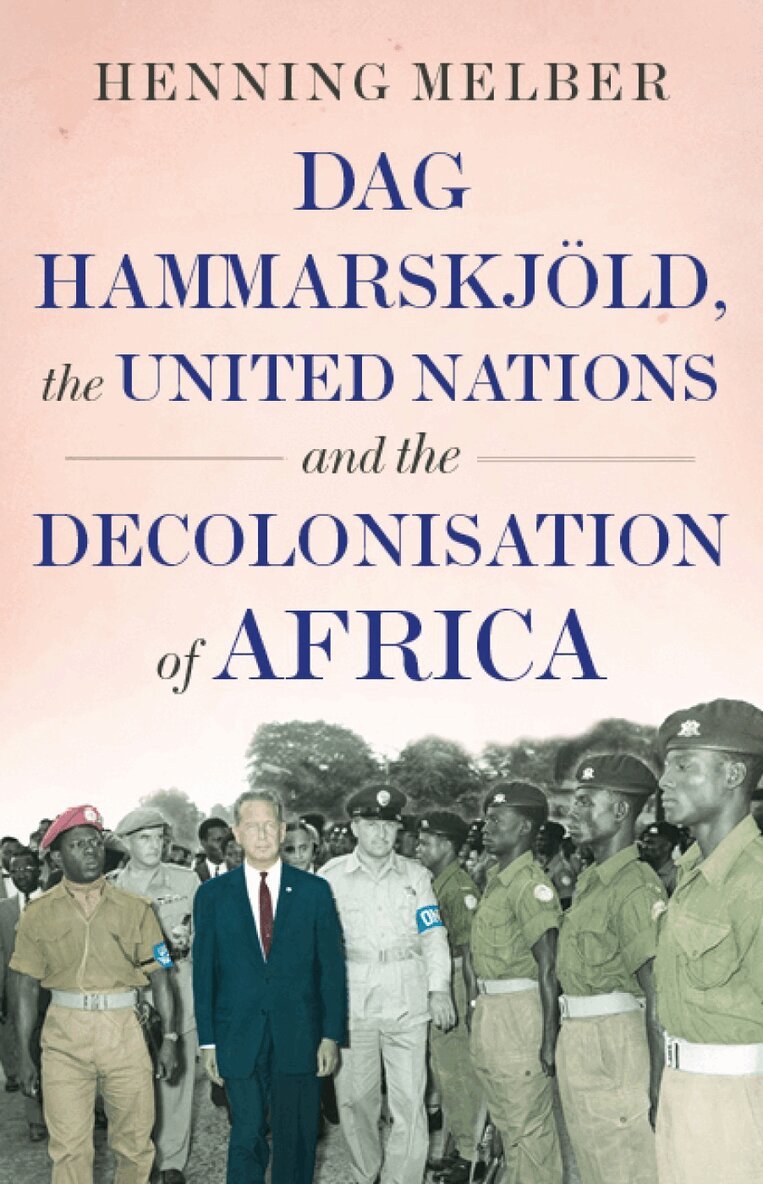
    Dag Hammarskjöld, the United Nations, and the Decolonisation of Africa

    AvHenning Melber

    Inbunden, Engelska, 2019

    469 kr

    Beställningsvara. Skickas inom 7-10 vardagar. Fri frakt över 249 kr.

    Beskrivning

    In 1953 Dag Hammarskjöld became the second Secretary-General of the United Nations--the highest international civil servant. Before his mission was cut short by a 1961 plane crash in then Northern Rhodesia (Zambia), he used his office to act on the basis of anti-hegemonic values, including solidarity and recognition of otherness. The dubious circumstances of Hammarskjöld’s death have received much attention, including a new official investigation; but have perhaps overshadowed his diplomatic legacy--one that has often been hotly contested. Henning Melber explores the years of African decolonisation during which Hammarskjöld was in office, investigating the scope and limits of his influence within the context of global governance. He paints a picture of a man with strong guiding principles, but limited room for manoeuver, colliding with the essential interests of the big powers as the ‘wind of change’ blew over the African continent. His book is a critical contribution to the study of international politics and the role of the UN in the Cold War. It is also a tribute to the achievements of a cosmopolitan Swede.

    Produktinformation

    • Utgivningsdatum:2019-05-02
    • Mått:138 x 216 x 20 mm
    • Vikt:372 g
    • Format:Inbunden
    • Språk:Engelska
    • Antal sidor:184
    • Förlag:C Hurst & Co Publishers Ltd
    • ISBN:9781787380042

    Utforska kategorier

    • Kalla krig och ombudskrig inom Historia och arkeologi
    • Afrikas historia inom Historia och arkeologi

    Mer om författaren

    Henning Melber is Director Emeritus of The Dag Hammarskjöld Foundation and Senior Research Fellow at the Institute of Commonwealth Studies, University of London. He is also President of the European Association of Development Research and Training Institutes, and Extraordinary Professor at the University of Pretoria’s Department of Political Sciences and at the University of the Free State’s Centre for Africa Studies.

    Recensioner i media

    ‘[Melber] has produced a nuanced defence of Hammarskjöld’s tenure at the UN … Regarding the plane crash, [Melber] suggests convincingly that forces hostile to decolonisation, including southern African white settlers, caused the crash.’