• Fri frakt över 249 kr
  • •
  • Snabba leveranser
  • •
  • Billiga böcker
Kundservice

Du är på sajten för privatpersoner.

Företag, bibliotek eller offentlig verksamhet?

Du handlar på classic.bokus.com, där alla dina funktioner finns intakta.
Till classic.bokus.com
Bokus logotyp. Gå till startsidan.
  • Erbjudanden
  • Nyheter
  • Student
  • Topplistor
  • Barn & ungdom
  • Bokus Play
  • E-böcker
  • Pocketböcker
  • Spel & pussel

10% rabatt på allt med kod: NYSTART10 →

Sidfot

Mina sidor

    Hjälp

    • Kundservice
    • Vanliga frågor och svar
    • Frakt och leverans
    • Retur vid ångerrätt
    • Reklamera vara
    • Betalning
    • Köpvillkor
    • Allmänna villkor
    • Information om webbplatsens tillgänglighet

    Om Bokus

    • Om oss
    • Pressrum
    • För studenter
    • För företag
    • För bibliotek och offentlig verksamhet
    • För leverantörer
    • Hållbarhet

    Populärt

    • Aktuella erbjudanden
    • Presentkort
    • Studentlitteratur
    • Nya böcker
    • Topplistor
    • Signerade böcker
    • Engelska böcker

    Inspiration

    • Boktips
    • BookTok
    • Populära bokserier
    • Barnbokskaraktärer
    • Populära författare
    Logotyp för Bokus
    Följ oss på Facebook (extern länk)Följ oss på Instagram (extern länk)Följ oss på YouTube (extern länk)Följ oss på TikTok (extern länk)
    bokus @ CookiesAnpassa cookiesIntegritetspolicyKöpvillkor
    Till Citymail hemsida (extern länk)Till Budbee hemsida (extern länk)Till Postnord hemsida (extern länk)Till Schenker hemsida (extern länk)Till Early Bird hemsida (extern länk)Till Walleys hemsida (extern länk)
    1. Historia och arkeologi
    2. Historia
    3. Asiens historia

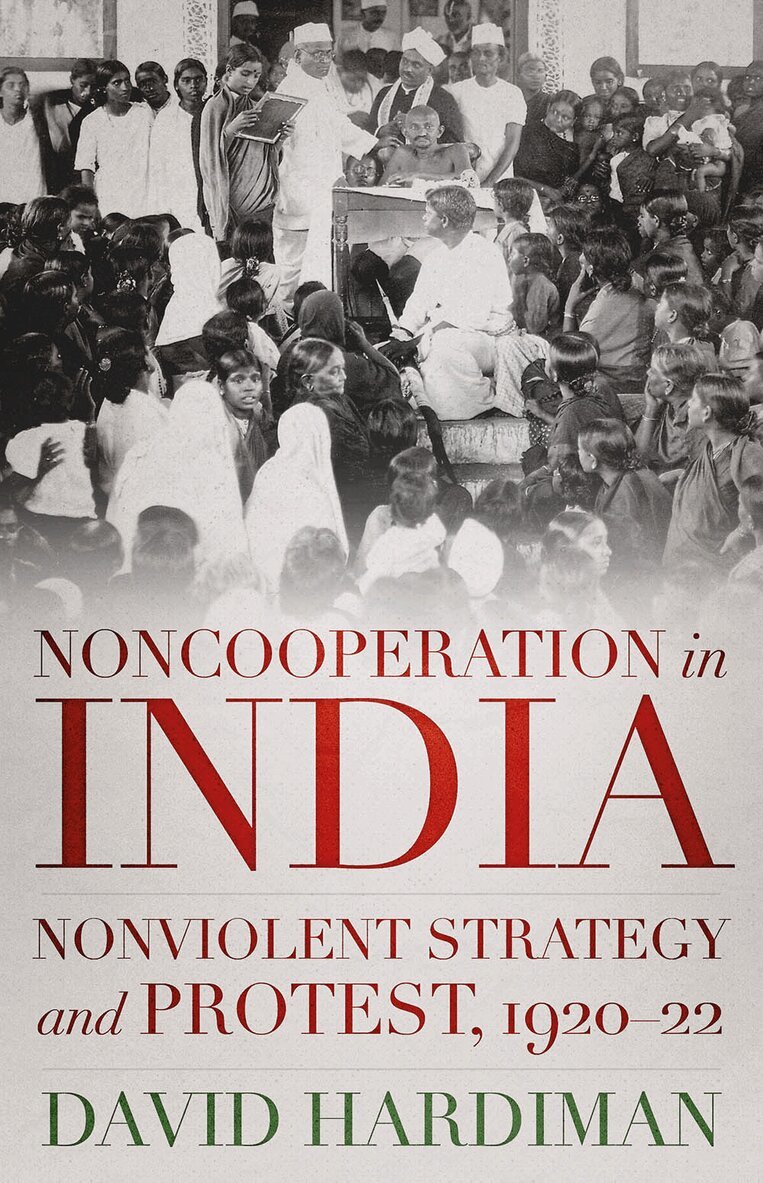
    Noncooperation in India

    Nonviolent Strategy and Protest, 1920–22

    AvDavid Hardiman

    Inbunden, Engelska, 2021

    469 kr

    Beställningsvara. Skickas inom 7-10 vardagar. Fri frakt över 249 kr.

    Fler format och utgåvor

    E-bok

    650 kr

    E-bok

    650 kr

    Beskrivning

    The Noncooperation Movement of 1920-22, led by Mahatma Gandhi, challenged every aspect of British rule in India. It was supported by people from all levels of the social hierarchy and united Hindus and Muslims in a way never again achieved by Indian nationalists. It was remarkably nonviolent. In all, it was one of the major mass protests of modern times. Yet there are almost no accounts of the entire movement, although many aspects of it have been covered by local-level studies. This volume both brings together and builds on these studies, looking at fractious all-India debates over strategy; the major grievances that drove local-level campaigns; the ways leaders braided together these streams of protest within a nationalist agenda; and the distinctive features of popular nonviolence for a righteous cause. David Hardiman's previous volume, The Nonviolent Struggle for Indian Freedom, examined the history of nonviolent resistance in the Indian nationalist movement. The present volume takes his study forward to examine the culmination of this first surge of struggle. While the campaign of 1920-22 did not achieve its desired objective of immediate self-rule, it did succeed in shaking to the core the authority of the British in India.

    Produktinformation

    • Utgivningsdatum:2021-01-21
    • Mått:138 x 216 x 33 mm
    • Vikt:636 g
    • Format:Inbunden
    • Språk:Engelska
    • Antal sidor:448
    • Förlag:C Hurst & Co Publishers Ltd
    • ISBN:9781787384019

    Utforska kategorier

    • Asiens historia inom Historia och arkeologi

    Mer om författaren

    David Hardiman is Emeritus Professor of History at the University of Warwick and a founding member of the Subaltern Studies Group. He lived in India for many years. The author of ‘The Nonviolent Struggle for Indian Freedom, 1905–19’, he has also written extensively on Gandhi and Indian social history.

    Recensioner i media

    'Hardiman is among the foremost scholars of modern South Asian history. This work is highly original--a careful, and thoroughly fair, assessment of nonviolent politics. Much more than a new summation of existing research, it significantly expands the scope of what is usually understood as the Noncooperation movement.'