• Fri frakt över 249 kr
  • •
  • Snabba leveranser
  • •
  • Billiga böcker
Kundservice

Du är på sajten för privatpersoner.

Företag, bibliotek eller offentlig verksamhet?

Du handlar på classic.bokus.com, där alla dina funktioner finns intakta.
Till classic.bokus.com
Bokus logotyp. Gå till startsidan.
  • Erbjudanden
  • Nyheter
  • Student
  • Topplistor
  • Barn & ungdom
  • Bokus Play
  • E-böcker
  • Pocketböcker
  • Spel & pussel

Må bättre, för mindre! Upp till 50% rabatt på hälsoböcker

Sidfot

Mina sidor

    Hjälp

    • Kundservice
    • Vanliga frågor och svar
    • Frakt och leverans
    • Retur vid ångerrätt
    • Reklamera vara
    • Betalning
    • Köpvillkor
    • Allmänna villkor
    • Information om webbplatsens tillgänglighet

    Om Bokus

    • Om oss
    • Pressrum
    • För studenter
    • För företag
    • För bibliotek och offentlig verksamhet
    • För leverantörer
    • Hållbarhet

    Populärt

    • Aktuella erbjudanden
    • Presentkort
    • Studentlitteratur
    • Nya böcker
    • Topplistor
    • Signerade böcker
    • Engelska böcker

    Inspiration

    • Boktips
    • BookTok
    • Populära bokserier
    • Barnbokskaraktärer
    • Populära författare
    Logotyp för Bokus
    Följ oss på Facebook (extern länk)Följ oss på Instagram (extern länk)Följ oss på YouTube (extern länk)Följ oss på TikTok (extern länk)
    bokus @ CookiesAnpassa cookiesIntegritetspolicyKöpvillkor
    Till Citymail hemsida (extern länk)Till Budbee hemsida (extern länk)Till Postnord hemsida (extern länk)Till Schenker hemsida (extern länk)Till Early Bird hemsida (extern länk)Till Walleys hemsida (extern länk)
    1. Historia och arkeologi
    2. Historia
    3. Historia: särskilda händelser och ämnen
    4. Kolonialism och imperialism

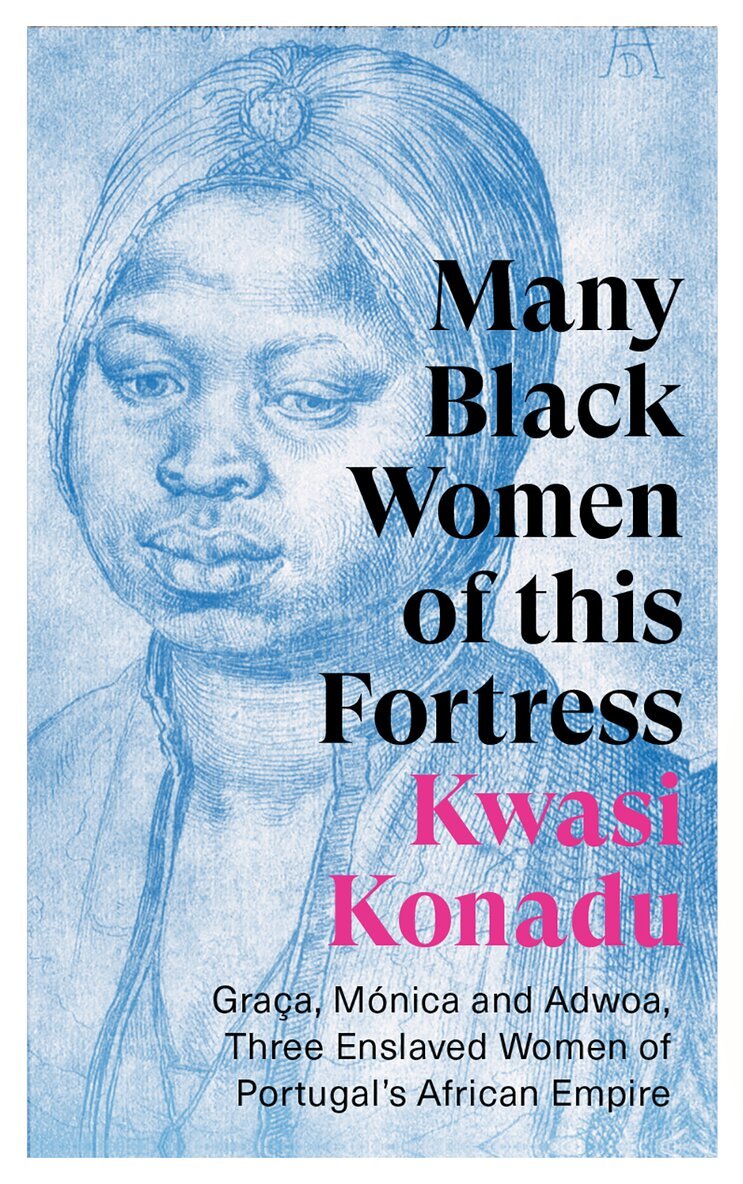
    Many Black Women of this Fortress

    Graça, Mónica and Adwoa, Three Enslaved Women of Portugal’s African Empire

    AvKwasi Konadu

    Häftad, Engelska, 2022

    232 kr

    Beställningsvara. Skickas inom 7-10 vardagar. Fri frakt över 249 kr.

    Fler format och utgåvor

    E-bok

    225 kr

    Beskrivning

    This book presents rare evidence about the lives of three African women in the sixteenth century--the very period from which we can trace the origins of global empires, slavery, capitalism, modern religious dogma and anti-Black violence. These features of today's world took shape as Portugal built a global empire on African gold and bodies. Forced labour was essential to the world economy of the Atlantic basin, and afflicted many African women and girls who were enslaved and manumitted, baptised and unconvinced. While some women liaised with European and mixed-race men along the West African coast, others, ordinary yet bold, pushed back against new forms of captivity, racial capitalism, religious orthodoxy and sexual violence, as if they were already self-governing. Many Black Women of this Fortress lays bare the insurgent ideas and actions of Graça, Mónica and Adwoa, charting how they advocated for themselves and exercised spiritual and female power. Theirs is a collective story, written from obscurity; from the forgotten and overlooked colonial records. By drawing attention to their lives, we dare to grasp the complexities of modernity's gestation.

    Produktinformation

    • Utgivningsdatum:2022-07-28
    • Mått:138 x 216 x 23 mm
    • Vikt:242 g
    • Format:Häftad
    • Språk:Engelska
    • Antal sidor:200
    • Förlag:C Hurst & Co Publishers Ltd
    • ISBN:9781787386976

    Utforska kategorier

    • Kolonialism och imperialism inom Historia och arkeologi
    • Socialhistoria och kulturhistoria inom Historia och arkeologi
    • Slaveri inom Historia och arkeologi

    Mer om författaren

    Kwasi Konadu is John D. and Catherine T. MacArthur Endowed Chair and Professor at Colgate University, teaching worldwide African histories and cultures. He is the author of Our Own Way in This Part of the World: Biography of an African Community, Culture, and Nation; and co-editor of The Ghana Reader.

    Recensioner i media

    ‘[A] vivid, dramatic discourse that draws readers into the plots outlining each of [these] three Black female experiences.’