• Fri frakt över 249 kr
  • •
  • Snabba leveranser
  • •
  • Billiga böcker
Kundservice

Du är på sajten för privatpersoner.

Företag, bibliotek eller offentlig verksamhet?

Du handlar på classic.bokus.com, där alla dina funktioner finns intakta.
Till classic.bokus.com
Bokus logotyp. Gå till startsidan.
  • Erbjudanden
  • Nyheter
  • Student
  • Topplistor
  • Barn & ungdom
  • Bokus Play
  • E-böcker
  • Pocketböcker
  • Spel & pussel

10% rabatt på allt med kod: NYSTART10 →

Sidfot

Mina sidor

    Hjälp

    • Kundservice
    • Vanliga frågor och svar
    • Frakt och leverans
    • Retur vid ångerrätt
    • Reklamera vara
    • Betalning
    • Köpvillkor
    • Allmänna villkor
    • Information om webbplatsens tillgänglighet

    Om Bokus

    • Om oss
    • Pressrum
    • För studenter
    • För företag
    • För bibliotek och offentlig verksamhet
    • För leverantörer
    • Hållbarhet

    Populärt

    • Aktuella erbjudanden
    • Presentkort
    • Studentlitteratur
    • Nya böcker
    • Topplistor
    • Signerade böcker
    • Engelska böcker

    Inspiration

    • Boktips
    • BookTok
    • Populära bokserier
    • Barnbokskaraktärer
    • Populära författare
    Logotyp för Bokus
    Följ oss på Facebook (extern länk)Följ oss på Instagram (extern länk)Följ oss på YouTube (extern länk)Följ oss på TikTok (extern länk)
    bokus @ CookiesAnpassa cookiesIntegritetspolicyKöpvillkor
    Till Citymail hemsida (extern länk)Till Budbee hemsida (extern länk)Till Postnord hemsida (extern länk)Till Schenker hemsida (extern länk)Till Early Bird hemsida (extern länk)Till Walleys hemsida (extern länk)
    1. Kultur
    2. Konstböcker

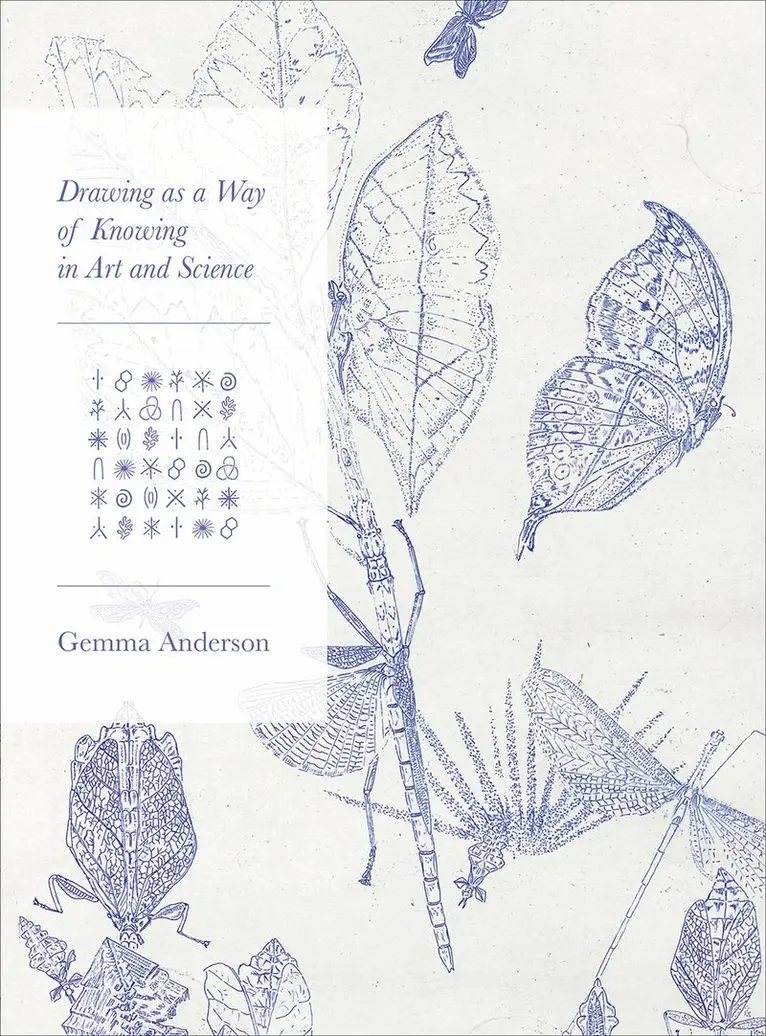
    Drawing as a Way of Knowing in Art and Science

    AvGemma Anderson-Tempini

    Häftad, Engelska, 2019

    504 kr

    Skickas . Fri frakt över 249 kr.

    Fler format och utgåvor

    Inbunden

    1 331 kr

    E-bok

    808 kr

    Beskrivning

    In recent history, the arts and sciences have often been considered opposing fields of study, but a growing trend in drawing research is beginning to bridge this divide. Gemma Anderson’s Drawing as a Way of Knowing in Art and Science introduces tested ways in which drawing as a research practice can enhance morphological insight, specifically within the natural sciences, mathematics and art.  Inspired and informed by collaboration with contemporary scientists and Goethe’s studies of morphology, as well as the work of artist Paul Klee, this book presents drawing as a means of developing and disseminating knowledge, and of understanding and engaging with the diversity of natural and theoretical forms, such as animal, vegetable, mineral and four dimensional shapes. Anderson shows that drawing can offer a means of scientific discovery and can be integral to the creation of new knowledge in science as well as in the arts.

    Produktinformation

    • Utgivningsdatum:2019-05-15
    • Mått:178 x 229 x 12 mm
    • Vikt:622 g
    • Format:Häftad
    • Språk:Engelska
    • Antal sidor:296
    • Förlag:Intellect
    • ISBN:9781789380576

    Utforska kategorier

    • Konstböcker inom Kultur
    • Naturvetenskap:allmänt inom Naturvetenskap och teknik

    Mer om författaren

    Gemma Anderson is a research fellow at the University of Exeter in the Department of Sociology, Philosophy and Anthropology and the Living Systems Institute, and a lecturer in drawing at Falmouth University.

    Recensioner i media

    'The book allows a very close look into the artist's practice and the practice of collaborating scientists. Drawing procedures, such as the decision-making in the process of drawing, can be extremely interesting and fruitful for artists and scientists, but also for people from other disciplines. Key moments that are rarely ever in focus when talking about drawing are emphasized as vital ones, such as the gaining of knowledge through mimetic processes, the period of time in which a drawing is created or how drawing changes the way of seeing the world. Thus, the author’s project can be described in the very best sense as practice-based, but also as artistic research; eventually, it opens up a fantastic intellectual and artistic universe beyond that.'

    Innehållsförteckning

    • List of IllustrationsIntroduction Chapter 1: On drawing as a way of knowing Chapter 2: On drawing practice in science Chapter 3: Drawing resemblances and Isomorphology Chapter 4: Drawing with Goethe’s morphology Chapter 5: Dynamic form: Klee as artist and morphologist Chapter 6: Mathematics and art: Notes from an artistic collaboration Chapter 7: Isomorphogenesis: Drawing a dynamic morphology Chapter 8: The Cornwall Morphology and Drawing Centre Conclusion Glossary Bibliography Index