Gemma Anderson-Tempini - Böcker
Visar alla böcker från författaren Gemma Anderson-Tempini. Handla med fri frakt och snabb leverans.
4 produkter
4 produkter
1 307 kr
Skickas inom 5-8 vardagar
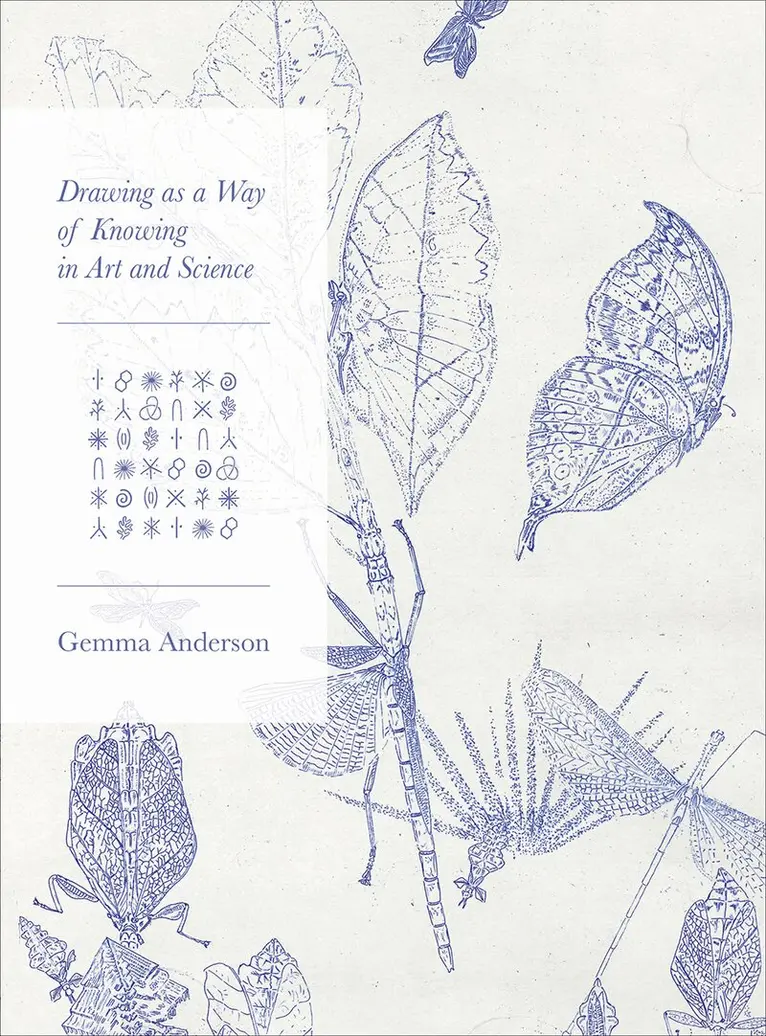
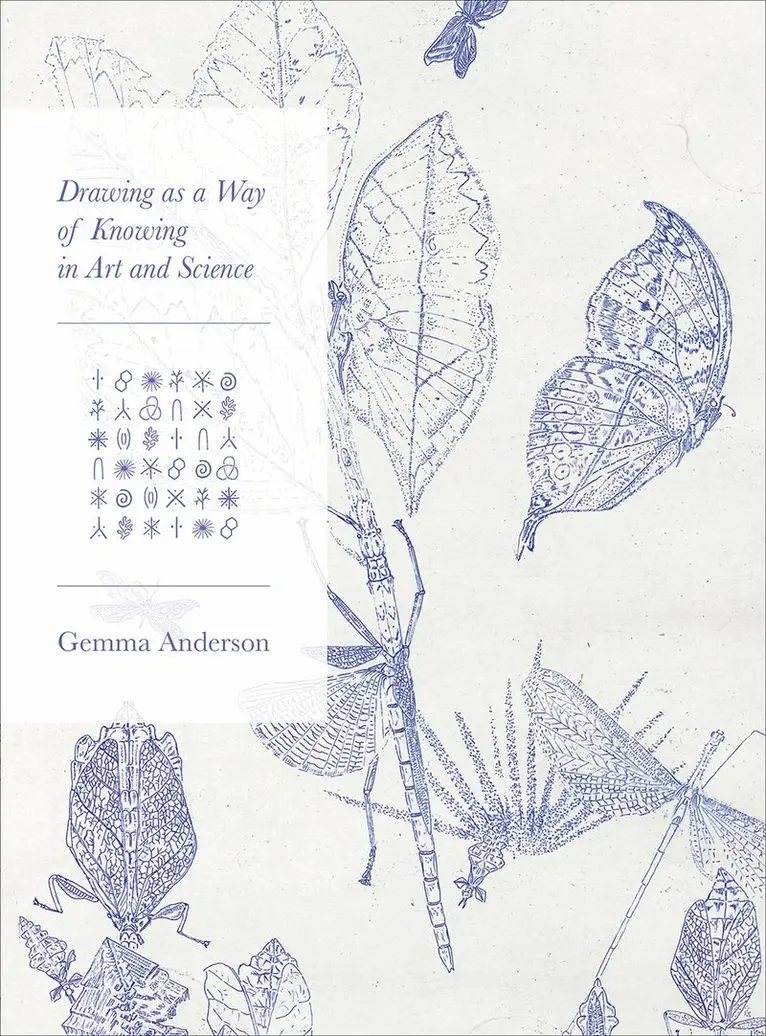
In recent history, the arts and sciences have often been considered opposing fields of study, but a growing trend in drawing research is beginning to bridge this divide. Gemma Anderson’s Drawing as a Way of Knowing in Art and Science introduces tested ways in which drawing as a research practice can enhance morphological insight, specifically within the natural sciences, mathematics and art. Inspired and informed by collaboration with contemporary scientists and Goethe’s studies of morphology, as well as the work of artist Paul Klee, this book presents drawing as a means of developing and disseminating knowledge, and of understanding and engaging with the diversity of natural and theoretical forms, such as animal, vegetable, mineral and four dimensional shapes. Anderson shows that drawing can offer a means of scientific discovery and can be integral to the creation of new knowledge in science as well as in the arts.
495 kr
Skickas
In recent history, the arts and sciences have often been considered opposing fields of study, but a growing trend in drawing research is beginning to bridge this divide. Gemma Anderson’s Drawing as a Way of Knowing in Art and Science introduces tested ways in which drawing as a research practice can enhance morphological insight, specifically within the natural sciences, mathematics and art. Inspired and informed by collaboration with contemporary scientists and Goethe’s studies of morphology, as well as the work of artist Paul Klee, this book presents drawing as a means of developing and disseminating knowledge, and of understanding and engaging with the diversity of natural and theoretical forms, such as animal, vegetable, mineral and four dimensional shapes. Anderson shows that drawing can offer a means of scientific discovery and can be integral to the creation of new knowledge in science as well as in the arts.
1 769 kr
Skickas inom 5-8 vardagar
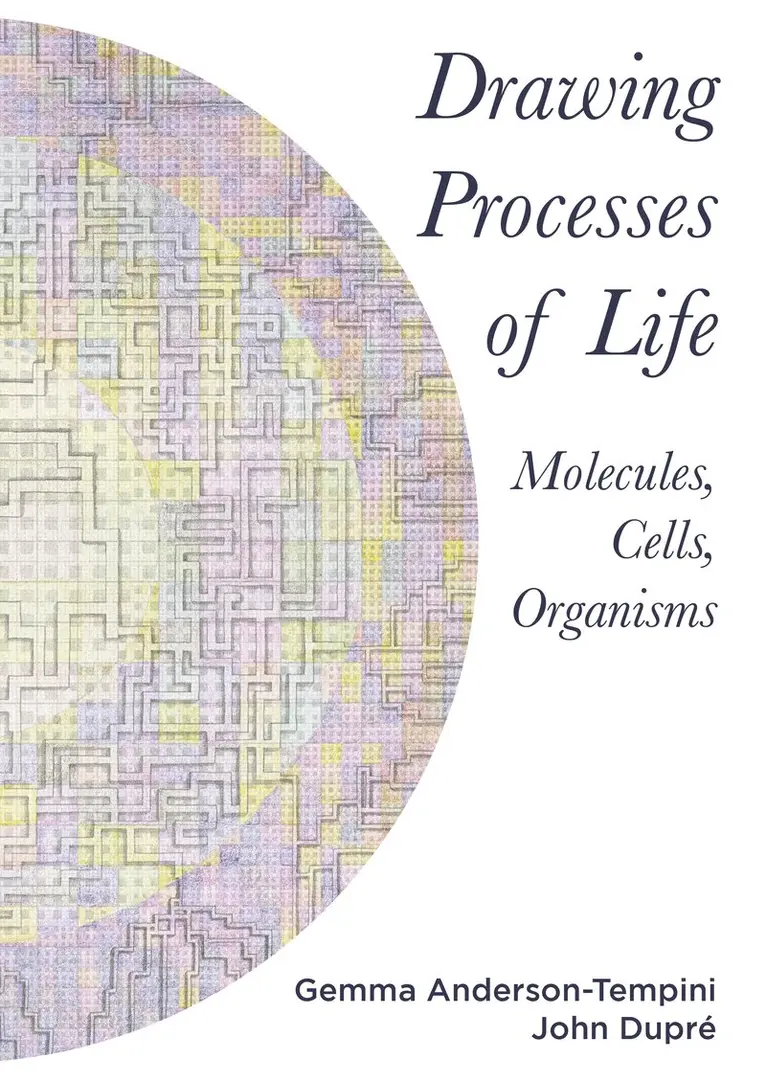
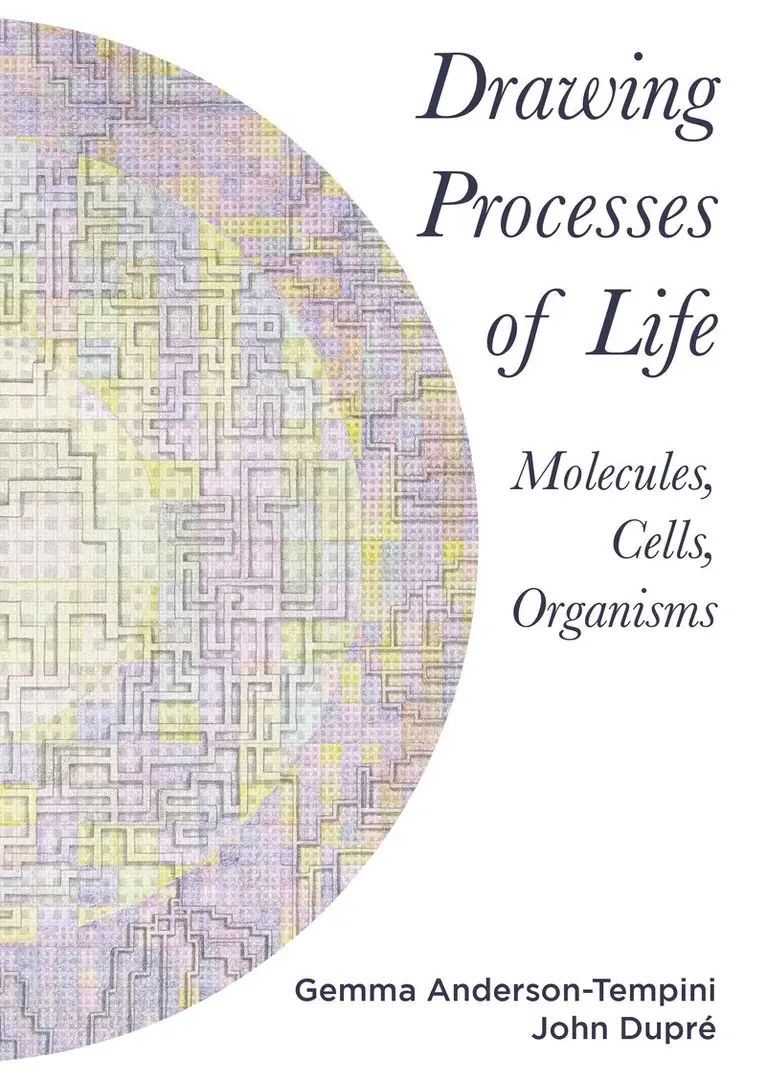
Drawing Processes of Life is the product of biologists, philosophers, and artists working together to formulate new ways of representing our new approach to life. It is a mutualistic symbiosis, where identities are transformed, information and nutritive substances shared, and where new organisms emerge. Originating from an AHRC-funded interdisciplinary project, it derives from Gemma Andersons’ work on the methodological and epistemological value of drawing as a technique in biological research and from her collaborative work on visualising living – biological – processes through artistic processes. It also draws on John Dupré’s recent work on biology as process, and the need to develop representations of biological systems that more adequately capture their processual nature. Hence the book has intertwined aims: to show how better to represent biological process through drawing and to demonstrate the scientific value of drawing as a method.The book presents this work and locates it in a broader historical and contemporary perspective on the relations between art and science. The project outcomes are interwoven with the work of leading scholars in the field. Many of these contributions also stress the problems presented by the processual nature of biological phenomena, a central focus of Anderson and Dupré’s own work.Contributors include Chiara Ambrosio, Heather Barnett, Alessio Corti, Katharina Lee Chichester, Johannes Jaeger, Wahida Khandker, Jonathan Phillips, Berta Verd, James Wakefield and Janina Wellmann. Foreword from Scott F. Gilbert, and Afterword from Sarah Gilbert and Scott F. Gilbert.The perspectives presented here constitute a powerfully integrated and vital set of themes of interest to artists, scientists, philosophers, students and post-doctoral researchers.
493 kr
Skickas inom 5-8 vardagar
Drawing Processes of Life is the product of biologists, philosophers, and artists working together to formulate new ways of representing our new approach to life. It is a mutualistic symbiosis, where identities are transformed, information and nutritive substances shared, and where new organisms emerge. Originating from an AHRC-funded interdisciplinary project, it derives from Gemma Andersons’ work on the methodological and epistemological value of drawing as a technique in biological research and from her collaborative work on visualising living – biological – processes through artistic processes. It also draws on John Dupré’s recent work on biology as process, and the need to develop representations of biological systems that more adequately capture their processual nature. Hence the book has intertwined aims: to show how better to represent biological process through drawing and to demonstrate the scientific value of drawing as a method.The book presents this work and locates it in a broader historical and contemporary perspective on the relations between art and science. The project outcomes are interwoven with the work of leading scholars in the field. Many of these contributions also stress the problems presented by the processual nature of biological phenomena, a central focus of Anderson and Dupré’s own work.Contributors include Chiara Ambrosio, Heather Barnett, Alessio Corti, Katharina Lee Chichester, Johannes Jaeger, Wahida Khandker, Jonathan Phillips, Berta Verd, James Wakefield and Janina Wellmann. Foreword from Scott F. Gilbert, and Afterword from Sarah Gilbert and Scott F. Gilbert.The perspectives presented here constitute a powerfully integrated and vital set of themes of interest to artists, scientists, philosophers, students and post-doctoral researchers.