• Fri frakt över 249 kr
  • •
  • Snabba leveranser
  • •
  • Billiga böcker
Kundservice

Du är på sajten för privatpersoner.

Företag, bibliotek eller offentlig verksamhet?

Du handlar på classic.bokus.com, där alla dina funktioner finns intakta.
Till classic.bokus.com
Bokus logotyp. Gå till startsidan.
  • Erbjudanden
  • Nyheter
  • Student
  • Topplistor
  • Barn & ungdom
  • Bokus Play
  • E-böcker
  • Pocketböcker
  • Spel & pussel

Må bättre, för mindre! Upp till 50% rabatt på hälsoböcker

Sidfot

Mina sidor

    Hjälp

    • Kundservice
    • Vanliga frågor och svar
    • Frakt och leverans
    • Retur vid ångerrätt
    • Reklamera vara
    • Betalning
    • Köpvillkor
    • Allmänna villkor
    • Information om webbplatsens tillgänglighet

    Om Bokus

    • Om oss
    • Pressrum
    • För studenter
    • För företag
    • För bibliotek och offentlig verksamhet
    • För leverantörer
    • Hållbarhet

    Populärt

    • Aktuella erbjudanden
    • Presentkort
    • Studentlitteratur
    • Nya böcker
    • Topplistor
    • Signerade böcker
    • Engelska böcker

    Inspiration

    • Boktips
    • BookTok
    • Populära bokserier
    • Barnbokskaraktärer
    • Populära författare
    Logotyp för Bokus
    Följ oss på Facebook (extern länk)Följ oss på Instagram (extern länk)Följ oss på YouTube (extern länk)Följ oss på TikTok (extern länk)
    bokus @ CookiesAnpassa cookiesIntegritetspolicyKöpvillkor
    Till Citymail hemsida (extern länk)Till Budbee hemsida (extern länk)Till Postnord hemsida (extern länk)Till Schenker hemsida (extern länk)Till Early Bird hemsida (extern länk)Till Walleys hemsida (extern länk)
    1. Medicin
    2. Medicin: allmänt
    3. Medicinhistoria

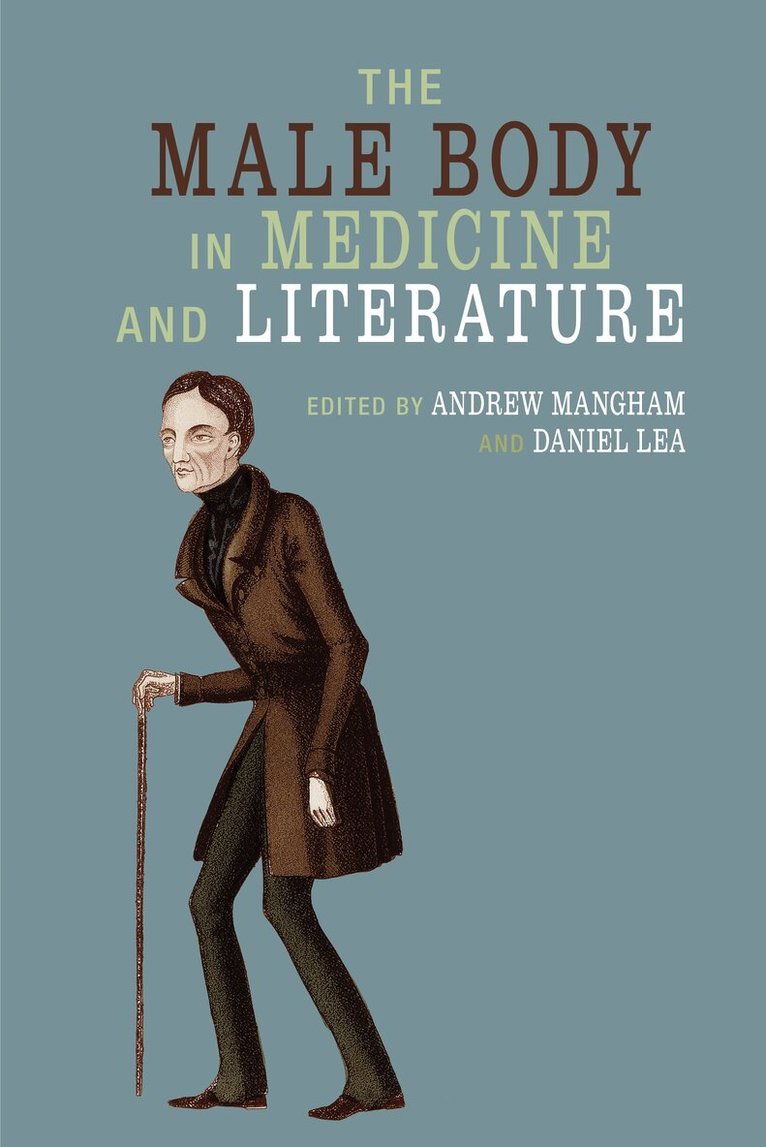
    Male Body in Medicine and Literature

    AvAndrew Mangham,Daniel Lea

    Häftad, Engelska, 2021

    Del 72 i serien Liverpool English Texts and Studies

    609 kr

    Beställningsvara. Skickas inom 5-8 vardagar. Fri frakt över 249 kr.

    Beskrivning

    Contrary to what Simone de Beauvoir famously argued in 1949, men have not lived without knowing the burdens of their sex. Though men may have been elevated to cultural positions of strength and privilege, it has not been without intense scrutiny of their biological functions. Investigations of male potency and the ‘ability to perform’ have long been mainstays of social, political, and artistic discourse and have often provoked spirited and partisan declarations on what it means to be a man. This interdisciplinary collection considers the tensions that have developed between the historical privilege often ascribed to the male and the vulnerabilities to which his body is prone. Andrew Mangham and Daniel Lea’s introduction illustrates how with the dawn of modern medicine during the Renaissance there emerged a complex set of languages for describing the male body not only as a symbol of strength, but as flesh and bone prone to illness, injury and dysfunction. Using a variety of historical and literary approaches, the essays consider the critical ways in which medicine’s interactions with literature reveal vital clues about the ways sex, gender, and identity are constructed through treatments of a range of ‘pathologies’ including deformity, venereal disease, injury, nervousness, and sexual difference. The relationships between male medicine and ideals of potency and masculinity are searchingly explored through a broad range of sources including African American slave fictions, southern gothic, early modern poetry, Victorian literature, and the Modern novel.

    Produktinformation

    • Utgivningsdatum:2021-09-01
    • Mått:156 x 234 x 25 mm
    • Vikt:400 g
    • Format:Häftad
    • Språk:Engelska
    • Serie:Liverpool English Texts and Studies
    • Antal sidor:264
    • Förlag:Liverpool University Press
    • ISBN:9781800856684

    Utforska kategorier

    • Medicinhistoria inom Medicin
    • Genusvetenskap inom Samhälle och politik
    • Litteraturvetenskap inom Skönlitteratur

    Mer om författaren

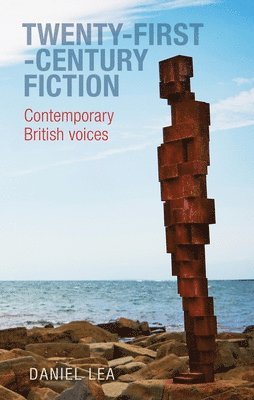
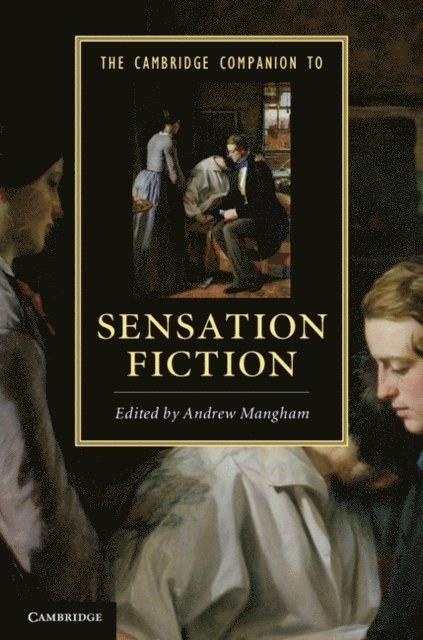
    Andrew Mangham is Associate Professor in Victorian Literature and Culture at the University of Reading, author of Dickens’s Forensic Realism: Truth, Bodies, Evidence (Ohio State University Press, 2017) and Violent Women and Sensation Fiction: Crime, Medicine and Victorian Popular Culture (Palgrave Macmillan, 2007), editor of The Cambridge Companion to Sensation Fiction (Cambridge University Press, 2013) and co-editor of The Female Body in Medicine and Literature (Liverpool University Press, 2011).Daniel Lea is Professor of Contemporary Literature at Oxford Brookes University. He is the author of George Orwell: Animal Farm and Nineteen Eighty-Four (Palgrave Macmillan, 2001), Graham Swift (Manchester University Press, 2005) and Twenty-First Century Fiction: Contemporary British Voices (Manchester University Press, 2016), and co-editor of Posting the Male: Masculinities in Post-War and Contemporary Writing (Brill, 2003).

    Recensioner i media

    'He offers an account of the influence of dissection on Donne’s poetry [...and] McKinstry builds gracefully on earlier studies, emphasizing how Donne uses dissection to confirm integrities beyond the reach of exposure.' Joseph Loewenstein, Studies in English Literature 1500-1900 (SEL)

    Innehållsförteckning

    • Acknowledgements Notes on Contributors 1. Introduction Andrew Mangham and Daniel LeaENQUIRY AND EXPERIMENTATION 2. The Poetics of Anatomy: John Donne’s Dissection of the Male Body - Jamie McKinstry 3. The Black Male Body in Early African American Science Fiction: The Experimental Case of Sutton Griggs’s Imperium in Imperio - Marlene D. Allen 4. Miserrimus Dexter: Monstrous Forms of the Fin de Siècle - Katherine Angell 5. ‘Intellectual suicides’: The Man of Letters in Middlemarch - Christine Crockett SharpWOUNDED AND PSYCHOPATHOLOGIZED BODIES 6. The Male Wound in Fin de Siècle Poetry - Sarah Parker 7. The Cacophony of Disaster: The Metaphorical Body of Sound in Don DeLillo’s Falling Man - Inbar Kaminsky 8. ‘Human nature is remorseless’ : Masculinity, Medical Science and Nervous Conditions in Virginia Woolf’s Mrs Dalloway - Avishek Parui 9. ‘A man must make himself’: Hypochondria in Maria Edgeworth’s Ennui - Robin RuniaFEAR, CONFUSION AND CONTAGION 10. ‘Sons of Belial’: Contaminated/Contaminating Victorian Male Bodies - Lesley A. Hall 11. Syphilis and Sociability: The Impolite Bodies of Two Gentlemen, James Boswell (1740-1795) and Sylas Neville (1741-1840) - Leigh Wetherall-Dickson 12. ‘’Tis My Father’s Fault’: Tristram Shandy and Paternal Imagination - Jenifer Buckley 13. Southern Gothic and the Queer Male Body - Thomas Lawrence LongIndex