
Neolithic Pits, Late Bronze Age/Early Iron Age Pit Alignments and Iron Age to Roman Settlements at Wollaston Quarry, Northamptonshire
Häftad, Engelska, 2024
500 kr
Skickas . Fri frakt över 249 kr.
Beskrivning
Between 1990 and 1998, MOLA (Museum of London Archaeology) undertook a series of archaeological excavations within Wollaston Quarry covering an area of 116ha. Eight excavation areas and a watching brief were undertaken. The proximity of the River Nene and at least four palaeochannels formed the dominant natural landscape features. This dynamic environment affected settlement and land use throughout prehistoric and Roman periods.Seventeen pits, largely in small groups, were identified containing early Neolithic to late Neolithic/early Bronze Age pottery. Some of these features were located within the area of the palaeochannels. Later, of especial interest was a notable collection of eleven different late Bronze Age to early Iron Age pit alignments, which were part of a co-axial landscape over an area of 2.5km². There was also a small area of domestic activity reflected by pits dating to the early Iron Age as well as two large watering holes in other locations. The pit alignment boundaries influenced subsequent settlement from the middle Iron Age to the late Roman periods. While individual settlements and related agricultural enclosures changed location over time, they followed the same alignments as the earlier pit alignments suggesting some form of continuity for over 800 years.In the middle to late Iron Age four separate farmsteads were established of which two overlaid the former pit alignments. All four comprised sub-rectangular enclosed farmsteads with internal roundhouses and paddocks. Towards the end of the Iron Age at least one of the middle Iron Age settlements was abandoned, while at roughly the same time an unenclosed settlement was created nearby which continued to the late Roman period. Overall, within the quarry, six new late Iron Age and Roman settlements were established and two more have been preserved without excavation. In the middle Roman period, there was extensive and organised agriculture activity which included two vineyards in two different parts of the site as well as two areas of paddock type enclosures. This level of planning suggests significant investment and could reflect the development by a villa estate. In the early to middle Saxon period there were four different areas of activity which comprised a sunken featured building, pits and a late 7th century grave of a high-status Anglian warrior burial (the latter has previously been reported on separately).
Produktinformation
Utforska kategorier
Innehållsförteckning
Hoppa över listan
Mer från samma författare
Late Iron Age and Roman Settlement at Bozeat Quarry, Northamptonshire: Excavations 1995-2016
Rob Atkins
Häftad, 2018
693 kr
Late Iron Age and Roman Settlement at Bozeat Quarry, Northamptonshire: Excavations 1995-2016
Rob Atkins
E-bok
2018230 kr
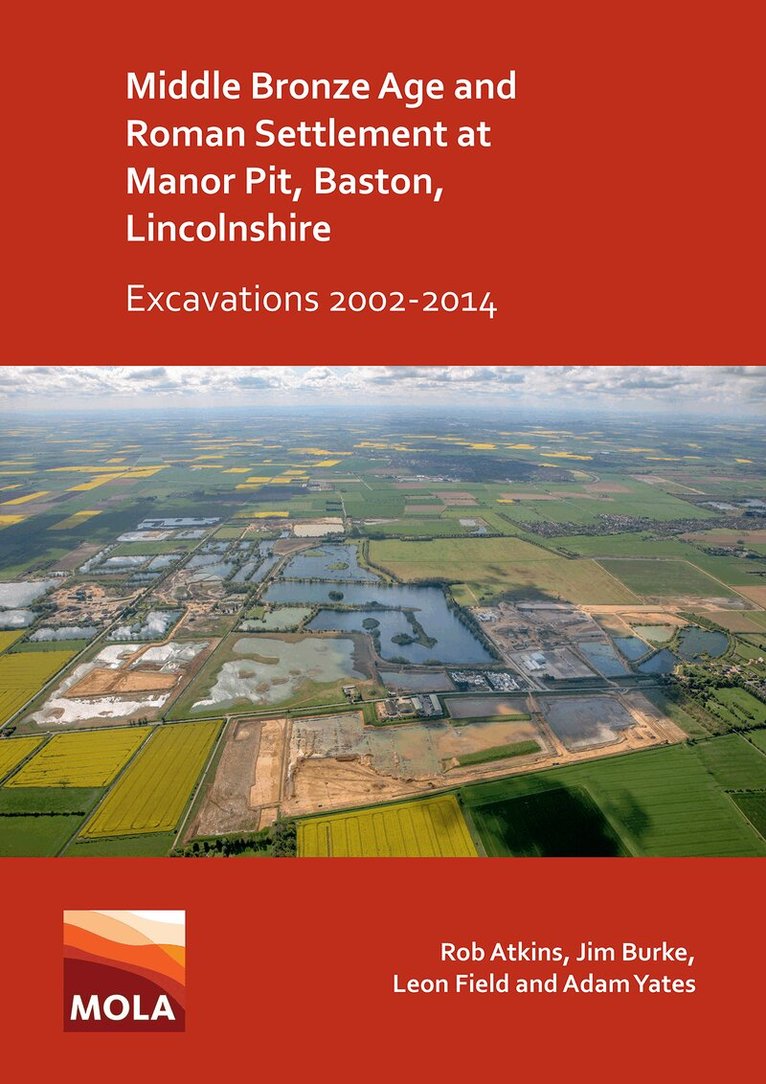
Middle Bronze Age and Roman Settlement at Manor Pit, Baston, Lincolnshire: Excavations 2002-2014
Rob Atkins, Jim Burke, Leon Field, Adam Yates
Häftad, 2020
700 kr
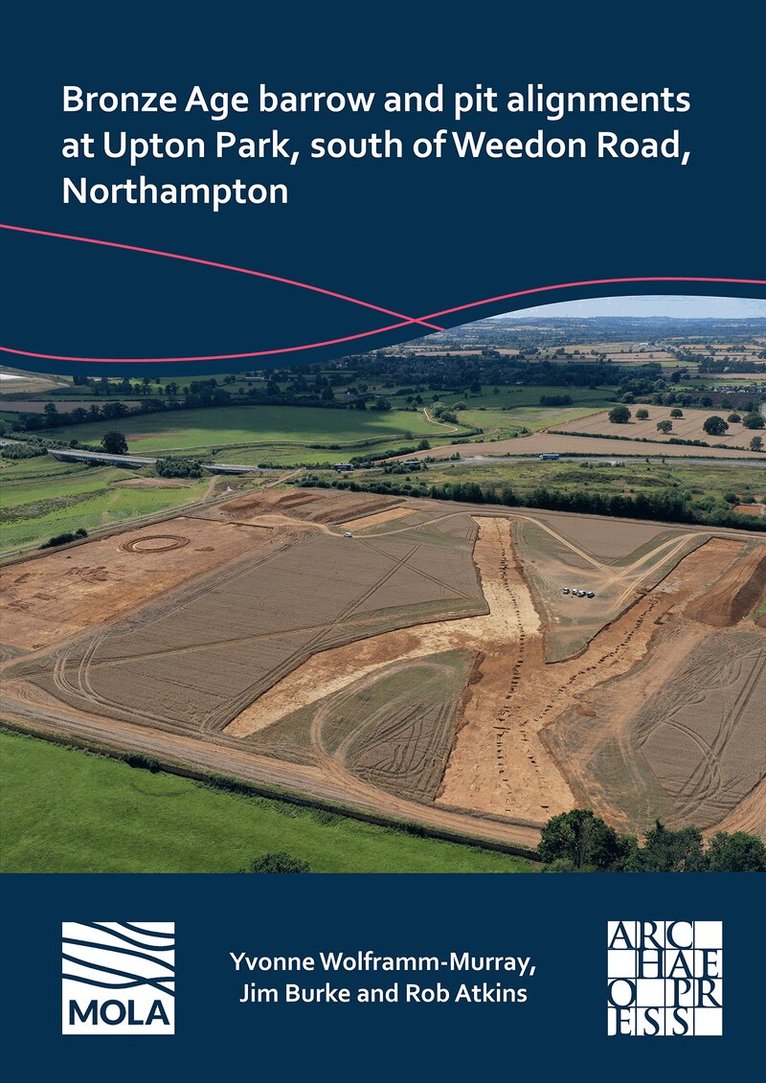
Bronze Age Barrow and Pit Alignments at Upton Park, South of Weedon Road, Northampton
Yvonne Wolframm-Murray, Jim Burke, Rob Atkins
Häftad, 2023
495 kr
Del 22
Broughton, Milton Keynes, Buckinghamshire
Rob Atkins, Elizabeth Popescu, Gareth Rees, Dan Stansbie
Inbunden, 2014
469 kr
Hoppa över listan


Du kanske också är intresserad av
- 10% rabatt på allt
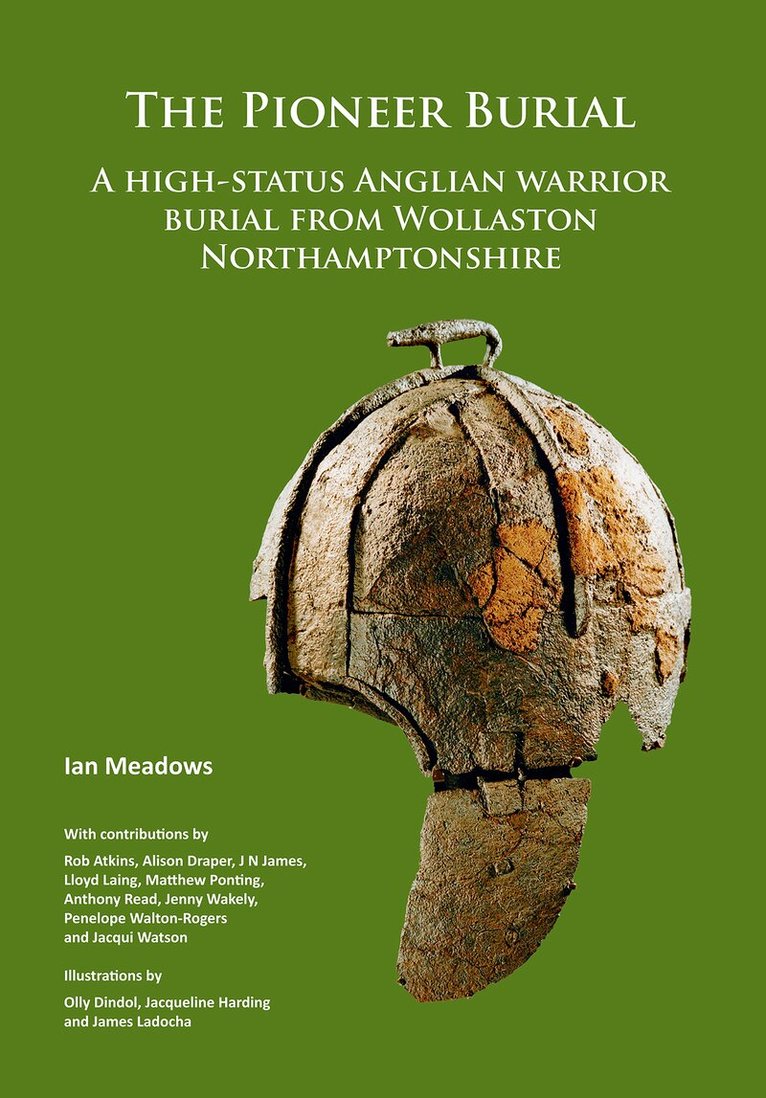
Pioneer Burial: A high-status Anglian warrior burial from Wollaston Northamptonshire
Ian Meadows
Häftad, 2019
361 kr
Bronze Age Barrow and Pit Alignments at Upton Park, South of Weedon Road, Northampton
Yvonne Wolframm-Murray, Jim Burke, Rob Atkins
Häftad, 2023
495 kr
Middle Bronze Age and Roman Settlement at Manor Pit, Baston, Lincolnshire: Excavations 2002-2014
Rob Atkins, Jim Burke, Leon Field, Adam Yates
Häftad, 2020
700 kr
Late Iron Age and Roman Settlement at Bozeat Quarry, Northamptonshire: Excavations 1995-2016
Rob Atkins
E-bok
2018230 kr
Del 22
Broughton, Milton Keynes, Buckinghamshire
Rob Atkins, Elizabeth Popescu, Gareth Rees, Dan Stansbie
Inbunden, 2014
469 kr
Late Iron Age and Roman Settlement at Bozeat Quarry, Northamptonshire: Excavations 1995-2016
Rob Atkins
Häftad, 2018
693 kr
- 10% rabatt på allt
- Signerad!
Del 3