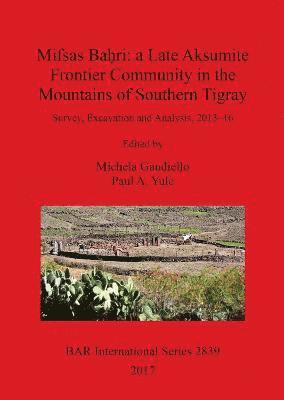
Mifsas Ba?ri: a Late Aksumite Frontier Community in the Mountains of Southern Tigray
Paul A. Yule, Michela Gaudiello
Häftad, 2017
1 263 kr
1 008 kr
Skickas . Fri frakt över 249 kr.
This fresh study thoroughly re-casts the unrecognised Samad Late Iron Age (SLIA) and its archaeological context in the 600 years which flank the year 0 CE, providing valuable insights into the significance and complexities of this enigmatic era. Through meticulous research of archaeological sites and recent discoveries, the authors present an in-depth understanding of the SLIA. A particular focus is given to examining the relationship between the SLIA assemblage and that of the Mleiha/PIR, parsing the cultural connections between these separate yet intertwined archaeological phenomena. By investigating diverse topics such as burial practices, pottery, small finds, trade networks and architecture, this work aims to offer a comprehensive grasp of the material culture and historical scene of the centuries preceding the rise of Islam. With its contribution to the ongoing academic discourse on the archaeology of south-eastern Arabia, this book fills a niche for scholars and enthusiasts seeking archaeological knowledge about this fascinating Arabian period.
Paul A. Yule, Michela Gaudiello
Häftad, 2017
1 263 kr
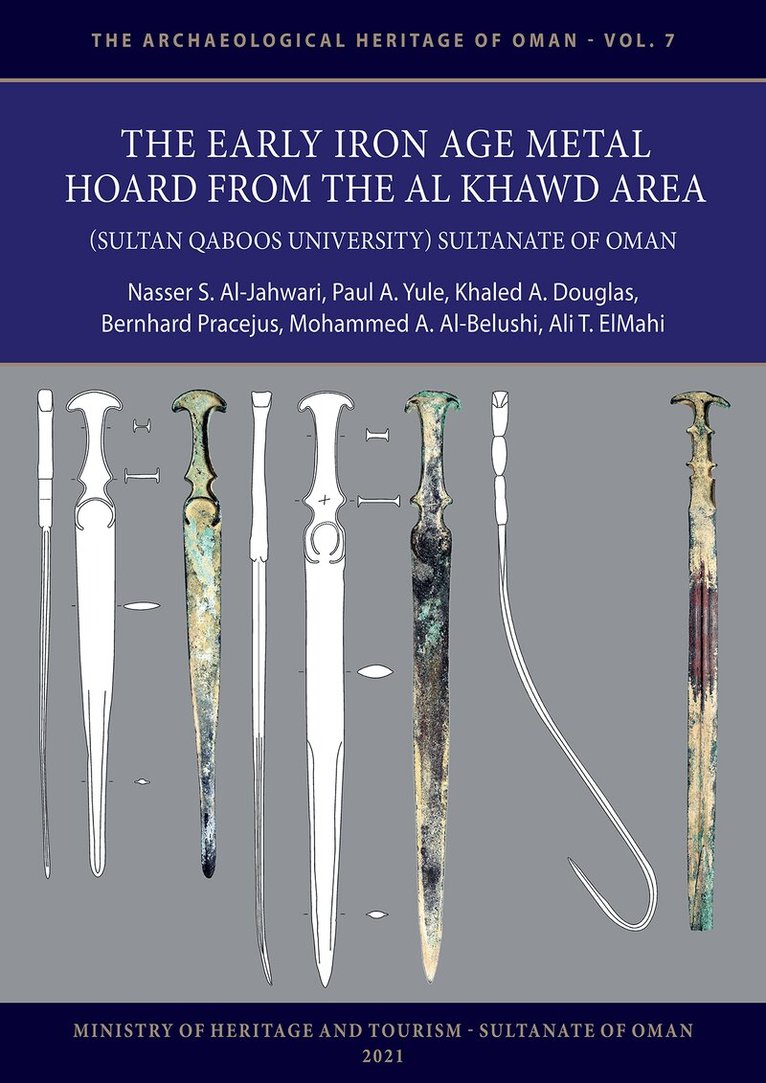
Nasser S. Al-Jahwari, Paul A. Yule, Khaled A. Douglas, Bernhard Pracejus, Mohammed Ali K. Al-Belushi, Ali Tigani ElMahi
Häftad, 2021
891 kr
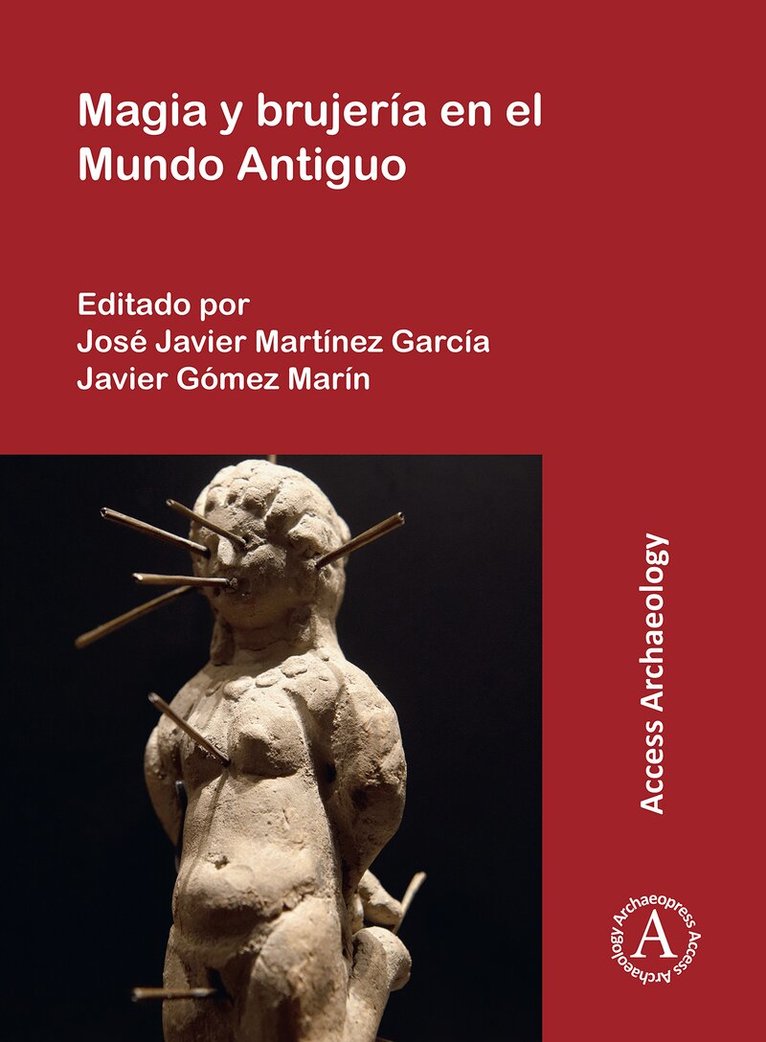
José Javier Martínez García, Javier Gómez Marín
Häftad, 2024
675 kr
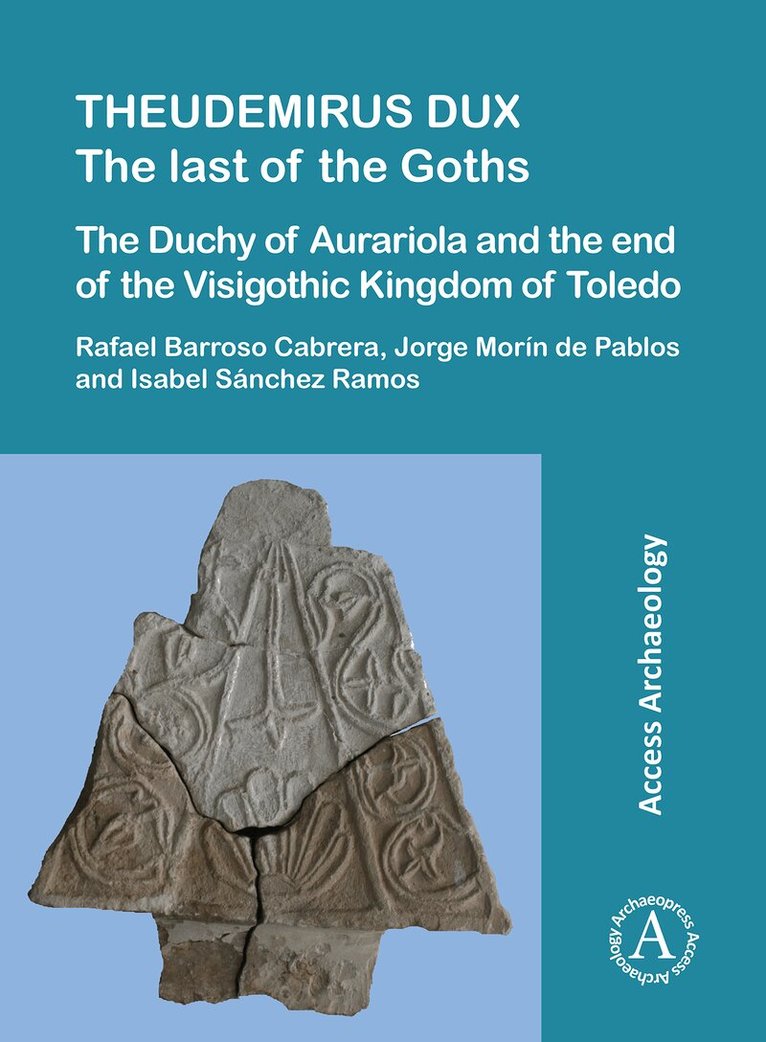
Rafael Barroso Cabrera, Jorge Morín de Pablos, Isabel Sánchez Ramos
Häftad, 2025
546 kr
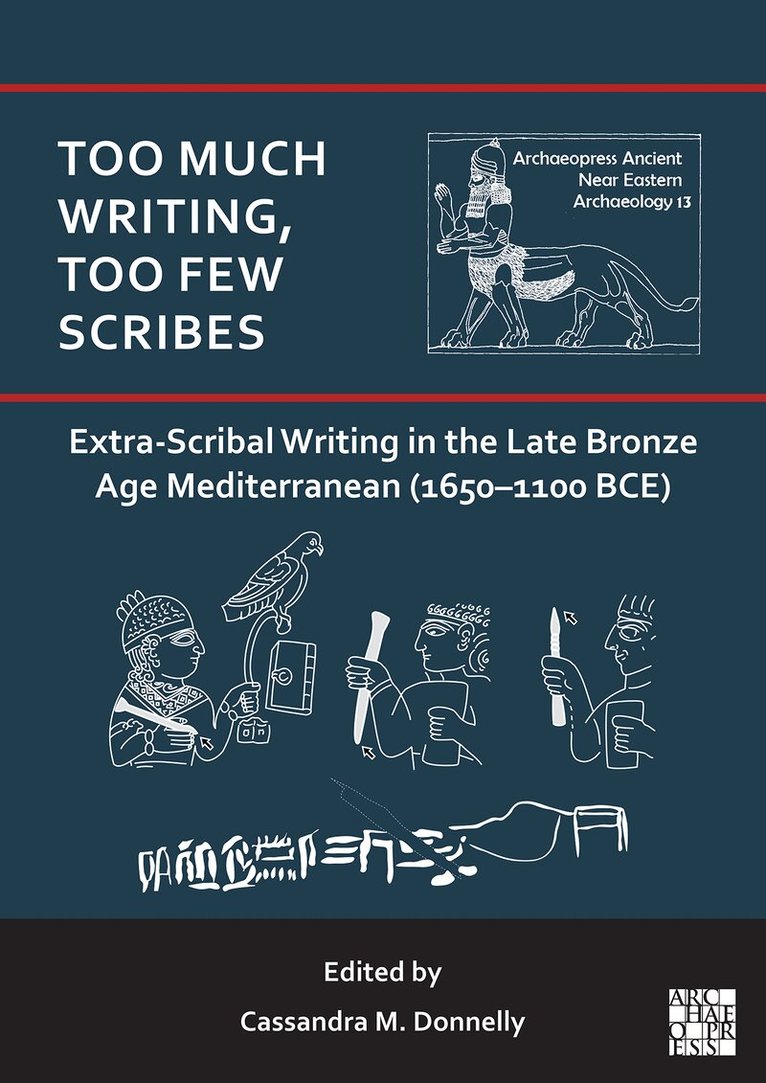
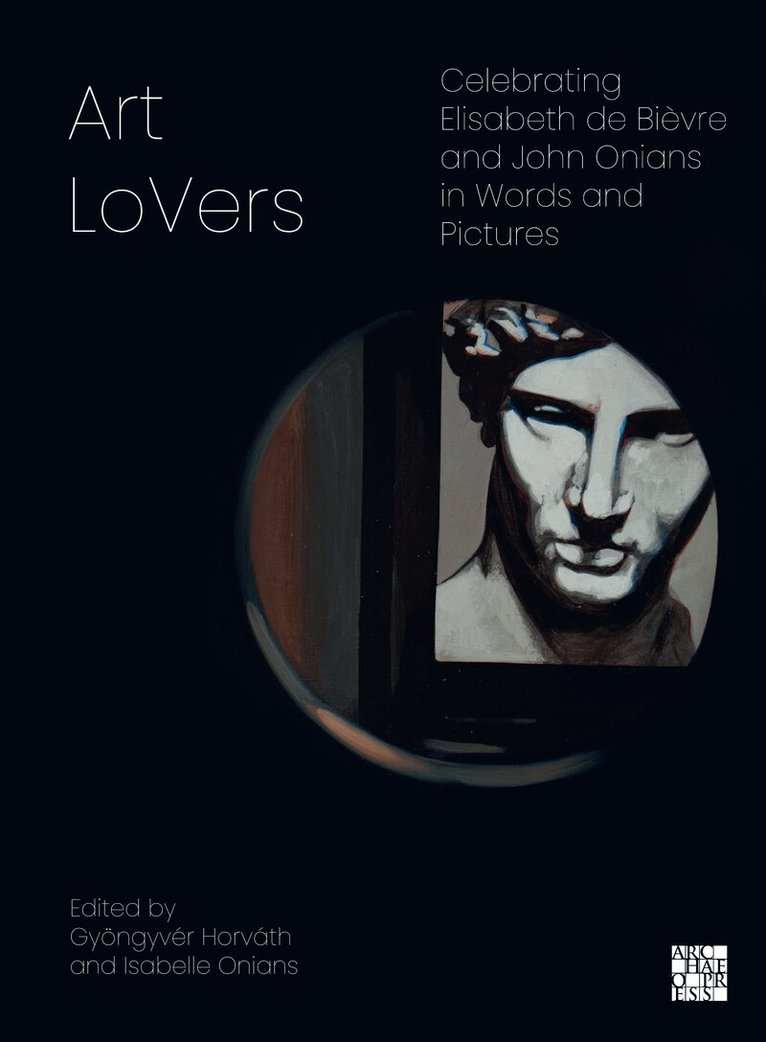
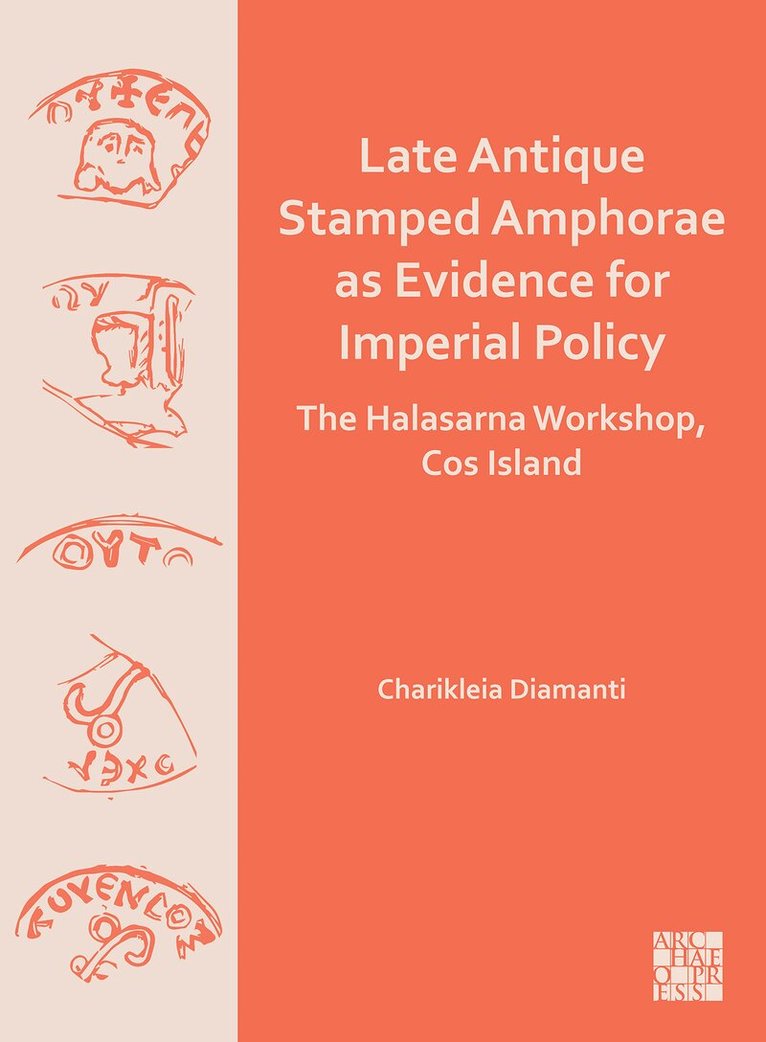
Charikleia Diamanti, Hellenic Ministry of Culture) Diamanti, Charikleia (Archaeologist, Ephorate of Antiquities of Cyclades, Charikleia Diamanti
Häftad, 2024
542 kr
Valentina Purpura
Häftad, 2025
623 kr
1 008 kr
Skickas . Fri frakt över 249 kr.
This fresh study thoroughly re-casts the unrecognised Samad Late Iron Age (SLIA) and its archaeological context in the 600 years which flank the year 0 CE, providing valuable insights into the significance and complexities of this enigmatic era. Through meticulous research of archaeological sites and recent discoveries, the authors present an in-depth understanding of the SLIA. A particular focus is given to examining the relationship between the SLIA assemblage and that of the Mleiha/PIR, parsing the cultural connections between these separate yet intertwined archaeological phenomena. By investigating diverse topics such as burial practices, pottery, small finds, trade networks and architecture, this work aims to offer a comprehensive grasp of the material culture and historical scene of the centuries preceding the rise of Islam. With its contribution to the ongoing academic discourse on the archaeology of south-eastern Arabia, this book fills a niche for scholars and enthusiasts seeking archaeological knowledge about this fascinating Arabian period.
Paul A. Yule, Michela Gaudiello
Häftad, 2017
1 263 kr
Nasser S. Al-Jahwari, Paul A. Yule, Khaled A. Douglas, Bernhard Pracejus, Mohammed Ali K. Al-Belushi, Ali Tigani ElMahi
Häftad, 2021
891 kr
José Javier Martínez García, Javier Gómez Marín
Häftad, 2024
675 kr
Rafael Barroso Cabrera, Jorge Morín de Pablos, Isabel Sánchez Ramos
Häftad, 2025
546 kr
Charikleia Diamanti, Hellenic Ministry of Culture) Diamanti, Charikleia (Archaeologist, Ephorate of Antiquities of Cyclades, Charikleia Diamanti
Häftad, 2024
542 kr
Valentina Purpura
Häftad, 2025
623 kr