• Fri frakt över 249 kr
  • •
  • Snabba leveranser
  • •
  • Billiga böcker
Kundservice

Du är på sajten för privatpersoner.

Företag, bibliotek eller offentlig verksamhet?

Du handlar på classic.bokus.com, där alla dina funktioner finns intakta.
Till classic.bokus.com
Bokus logotyp. Gå till startsidan.
  • Erbjudanden
  • Student
  • Topplistor
  • Barn & ungdom
  • Bokus Play
  • E-böcker
  • Ljudböcker
  • Pocketböcker
  • Spel och pussel

Pocketfynda! Hundratals böcker för 49 kr/st →

Sidfot

Mina sidor

    Hjälp

    • Kundservice
    • Vanliga frågor och svar
    • Frakt och leverans
    • Retur vid ångerrätt
    • Reklamera vara
    • Betalning
    • Köpvillkor
    • Allmänna villkor
    • Information om webbplatsens tillgänglighet

    Om Bokus

    • Om oss
    • Pressrum
    • För studenter
    • För företag
    • För bibliotek och offentlig verksamhet
    • För leverantörer
    • Hållbarhet

    Populärt

    • Aktuella erbjudanden
    • Presentkort
    • Studentlitteratur
    • Nya böcker
    • Topplistor
    • Signerade böcker
    • Engelska böcker

    Inspiration

    • Boktips
    • BookTok
    • Barnbokskaraktärer
    • Populära författare
    Logotyp för Bokus
    Följ oss på Facebook (extern länk)Följ oss på Instagram (extern länk)Följ oss på YouTube (extern länk)Följ oss på TikTok (extern länk)
    bokus @ CookiesAnpassa cookiesIntegritetspolicyKöpvillkor
    Till Citymail hemsida (extern länk)Till Budbee hemsida (extern länk)Till Postnord hemsida (extern länk)Till Schenker hemsida (extern länk)Till Early Bird hemsida (extern länk)Till Walleys hemsida (extern länk)
    1. Kultur
    2. Arkitektur
    3. Arkitekturhistoria

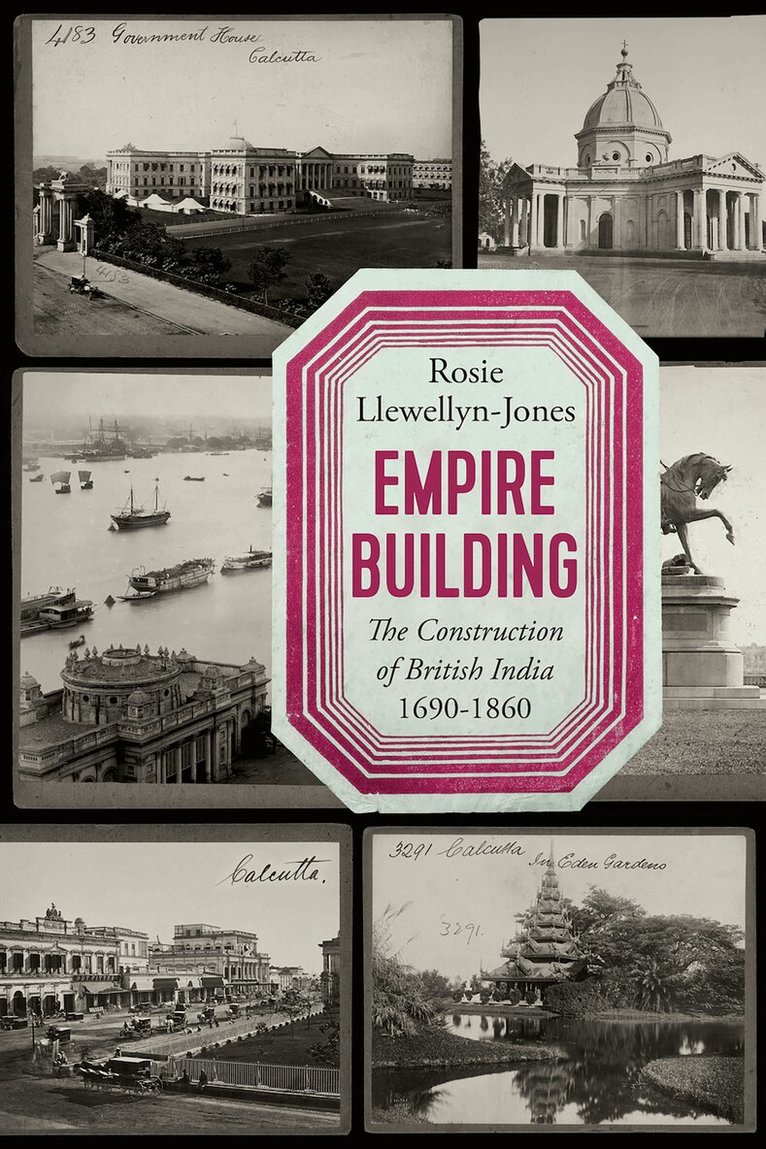
    Empire Building

    The Construction of British India, 1690–1860

    AvRosie Llewellyn-Jones

    E-bok
    Engelska, 2023

    397 kr

    Läs direkt i Bokus Reader – eller ladda ned till din enhet

    Fler format och utgåvor

    Inbunden

    403 kr

    Beskrivning

    'Empire Building' is a new account of the East India Company's impact on India, focussing on how it changed the sub-continent's built environment in the context of defence, urbanisation, and infrastructural development. Rosie Llewellyn-Jones examines these initiatives through a lens of 'political building' (using Indian contractors and labourers). Railways, docks, municipal buildings, freemasons' lodges, hotels, race-courses, barracks, cemeteries, statues, canals--everything the British erected made a political statement, even if unconsciously; hence this book is concerned less with architectural styles, more with subtle infiltration into the minds of those who saw and used these structures. It assesses, in turn, Indian responses to the changing landscape. Indians often reacted favourably to new manufacturing technologies from Britain, like minting and gunpowder, while the British learnt from and adapted local methods. From military engineers and cartography to imported raw metals and steam power, Llewellyn-Jones considers the social and environmental changes wrought by colonialism. This period was marked by a shift from formerly private, Indian-controlled functions, like education, entertainment, trading and healing, to British public institutions like universities, theatres, chambers of commerce and hospitals.

    Produktinformation

    • Utgivningsdatum:2023-01-19
    • Språk:Engelska
    • Filformat:EPUB
    • Kopieringsskydd:LCP
    • ISBN:9781805260264
    • Förlag:C Hurst & Co Publishers Ltd

    Utforska kategorier

    • Arkitekturhistoria inom Kultur
    • Asiens historia inom Historia och arkeologi
    • Kolonialism och imperialism inom Historia och arkeologi

    Mer om författaren

    Rosie Llewellyn-Jones PhD holds a degree in Urdu from SOAS University of London. A renowned historian of colonial India, she is Editor of Chowkidar, the journal of the British Association for Cemeteries in South Asia. Her books include 'The Last King in India', also published by Hurst, and 'Lucknow 1857'.

    Recensioner i media

    'Brick by brick, stone by stone, from canals to cantonments, Llewellyn-Jones masterfully reconstructs the infrastructure of empire in India. An engaging insight into a neglected area of imperial scholarship.'