• Fri frakt över 249 kr
  • •
  • Snabba leveranser
  • •
  • Billiga böcker
Kundservice

Du är på sajten för privatpersoner.

Företag, bibliotek eller offentlig verksamhet?

Du handlar på classic.bokus.com, där alla dina funktioner finns intakta.
Till classic.bokus.com
Bokus logotyp. Gå till startsidan.
  • Erbjudanden
  • Nyheter
  • Student
  • Topplistor
  • Barn & ungdom
  • Bokus Play
  • E-böcker
  • Pocketböcker
  • Spel & pussel

Må bättre, för mindre! Upp till 50% rabatt på hälsoböcker

Sidfot

Mina sidor

    Hjälp

    • Kundservice
    • Vanliga frågor och svar
    • Frakt och leverans
    • Retur vid ångerrätt
    • Reklamera vara
    • Betalning
    • Köpvillkor
    • Allmänna villkor
    • Information om webbplatsens tillgänglighet

    Om Bokus

    • Om oss
    • Pressrum
    • För studenter
    • För företag
    • För bibliotek och offentlig verksamhet
    • För leverantörer
    • Hållbarhet

    Populärt

    • Aktuella erbjudanden
    • Presentkort
    • Studentlitteratur
    • Nya böcker
    • Topplistor
    • Signerade böcker
    • Engelska böcker

    Inspiration

    • Boktips
    • BookTok
    • Populära bokserier
    • Barnbokskaraktärer
    • Populära författare
    Logotyp för Bokus
    Följ oss på Facebook (extern länk)Följ oss på Instagram (extern länk)Följ oss på YouTube (extern länk)Följ oss på TikTok (extern länk)
    bokus @ CookiesAnpassa cookiesIntegritetspolicyKöpvillkor
    Till Citymail hemsida (extern länk)Till Budbee hemsida (extern länk)Till Postnord hemsida (extern länk)Till Schenker hemsida (extern länk)Till Early Bird hemsida (extern länk)Till Walleys hemsida (extern länk)
    1. Historia och arkeologi
    2. Arkeologi

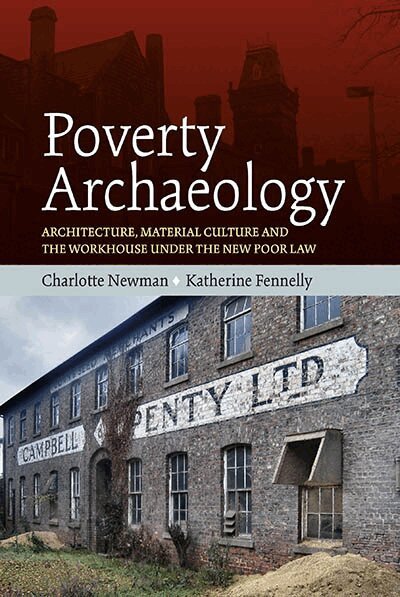
    Poverty Archaeology

    Architecture, Material Culture and the Workhouse under the New Poor Law

    AvCharlotte Newman,Katherine Fennelly

    Inbunden, Engelska, 2023

    1 697 kr

    Beställningsvara. Skickas inom 5-8 vardagar. Fri frakt över 249 kr.

    Beskrivning

    The Poor Laws in the United Kingdom left a built and material legacy of over two centuries of legislative provision for the poor and infirm. Workhouses represent the first centralized, state-organized system for welfare, though they maintain a notorious historical reputation. Workhouses were intended to be specialized institutions, with dedicated subdivisions for the management of different categories of inmate. Examining the workhouse provision from an archaeological perspective, the authors demonstrate the heterogeneity of the Poor Law system from a built heritage perspective. This volume forms a social archaeology of the lived experience of poverty and health in the nineteenth century.

    Produktinformation

    • Utgivningsdatum:2023-10-13
    • Mått:152 x 229 x 14 mm
    • Vikt:412 g
    • Format:Inbunden
    • Språk:Engelska
    • Antal sidor:174
    • Förlag:Berghahn Books
    • ISBN:9781805391098

    Utforska kategorier

    • Arkeologi inom Historia och arkeologi
    • Europas historia inom Historia och arkeologi
    • Socialrätt och hälso- och sjukvårdsrätt inom Juridik

    Mer om författaren

    Charlotte Newman is a Senior House and Collections Manager at the National Trust, based in Cornwall, UK. She has a BA from the University of Leicester and an MA and PhD from the University of York. She has previously worked for English Heritage as a curator (2011-2019). She has published on archaeological and material approaches to institutions and interiors.

    Recensioner i media

    “This is an excellent and fascinating examination of how archaeology can inform the study of poverty in nineteenth century England. The work takes as its focus the exploration of workhouses and how the analysis of the built material culture can aid our understanding of them. It exemplifies the value of using detailed case studies to interrogate and critique national models and understandings of social experience. To tell, what Hicks and Beaudry have called, ‘stories that matter’.” • Matthew Jenkins, University of York

    Innehållsförteckning

    • List of FiguresForwardIntroductionChapter 1. Poverty ArchaeologyChapter 2. The SickChapter 3. The ElderlyChapter 4. The YoungChapter 5. The MadChapter 6. The WorkersConcluding ThoughtsBibliography