• Fri frakt över 249 kr
  • •
  • Snabba leveranser
  • •
  • Billiga böcker
Kundservice

Du är på sajten för privatpersoner.

Företag, bibliotek eller offentlig verksamhet?

Du handlar på classic.bokus.com, där alla dina funktioner finns intakta.
Till classic.bokus.com
Bokus logotyp. Gå till startsidan.
  • Erbjudanden
  • Student
  • Topplistor
  • Barn & ungdom
  • Bokus Play
  • E-böcker
  • Ljudböcker
  • Pocketböcker
  • Spel & pussel

10% rabatt på allt med kod NYSTART10 →

Sidfot

Mina sidor

    Hjälp

    • Kundservice
    • Vanliga frågor och svar
    • Frakt och leverans
    • Retur vid ångerrätt
    • Reklamera vara
    • Betalning
    • Köpvillkor
    • Allmänna villkor
    • Information om webbplatsens tillgänglighet

    Om Bokus

    • Om oss
    • Pressrum
    • För studenter
    • För företag
    • För bibliotek och offentlig verksamhet
    • För leverantörer
    • Hållbarhet

    Populärt

    • Aktuella erbjudanden
    • Presentkort
    • Studentlitteratur
    • Nya böcker
    • Topplistor
    • Signerade böcker
    • Engelska böcker

    Inspiration

    • Boktips
    • BookTok
    • Populära bokserier
    • Barnbokskaraktärer
    • Populära författare
    Logotyp för Bokus
    Följ oss på Facebook (extern länk)Följ oss på Instagram (extern länk)Följ oss på YouTube (extern länk)Följ oss på TikTok (extern länk)
    bokus @ CookiesAnpassa cookiesIntegritetspolicyKöpvillkor
    Till Citymail hemsida (extern länk)Till Budbee hemsida (extern länk)Till Postnord hemsida (extern länk)Till Schenker hemsida (extern länk)Till Early Bird hemsida (extern länk)Till Walleys hemsida (extern länk)
    1. Biografier
    2. Självbiografier och Memoarer

    Decolonizing Ourselves

    Reflections from a Personal Journey

    AvCarol J. Pierce Colfer

    Inbunden, Engelska, 2026

    2 308 kr

    Kommande

    Beskrivning

    Beginning in 1955, when she moved at the age of nine to Ankara, Türkiye, Colfer traces a life shaped by encounters with a very different culture and the inequities it revealed. Combining autoethnography with an analysis of modern-day colonialism, she charts her changing understandings of the world, many of which were shared more broadly. The narrative highlights inequities at multiple scales and reflects on both the successes and shortcomings of her own efforts to address them. In doing so, it invites readers to examine their own lives in light of such injustices and to consider how to “make good trouble.”

    Produktinformation

    • Utgivningsdatum:2026-11-15
    • Mått:152 x 229 x undefined mm
    • Format:Inbunden
    • Språk:Engelska
    • Antal sidor:372
    • Förlag:Berghahn Books
    • ISBN:9781807580919

    Utforska kategorier

    • Självbiografier och Memoarer inom Biografier
    • Antropologi inom Samhälle och politik

    Mer om författaren

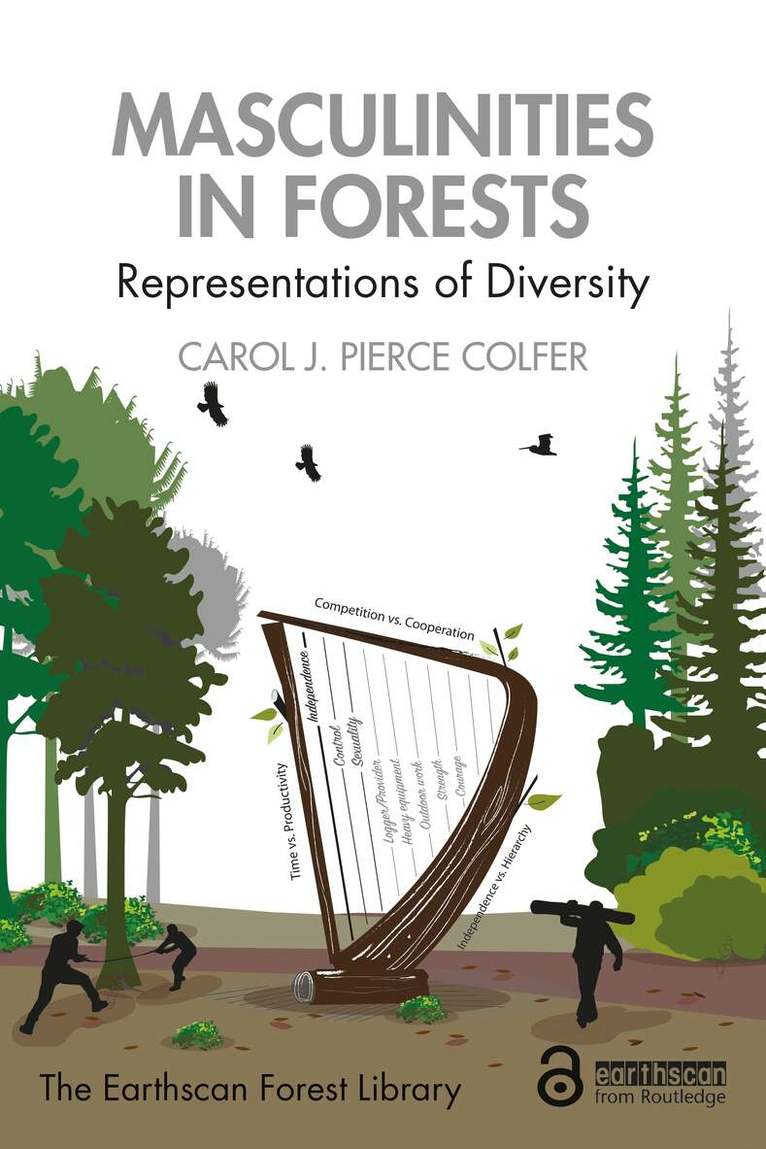
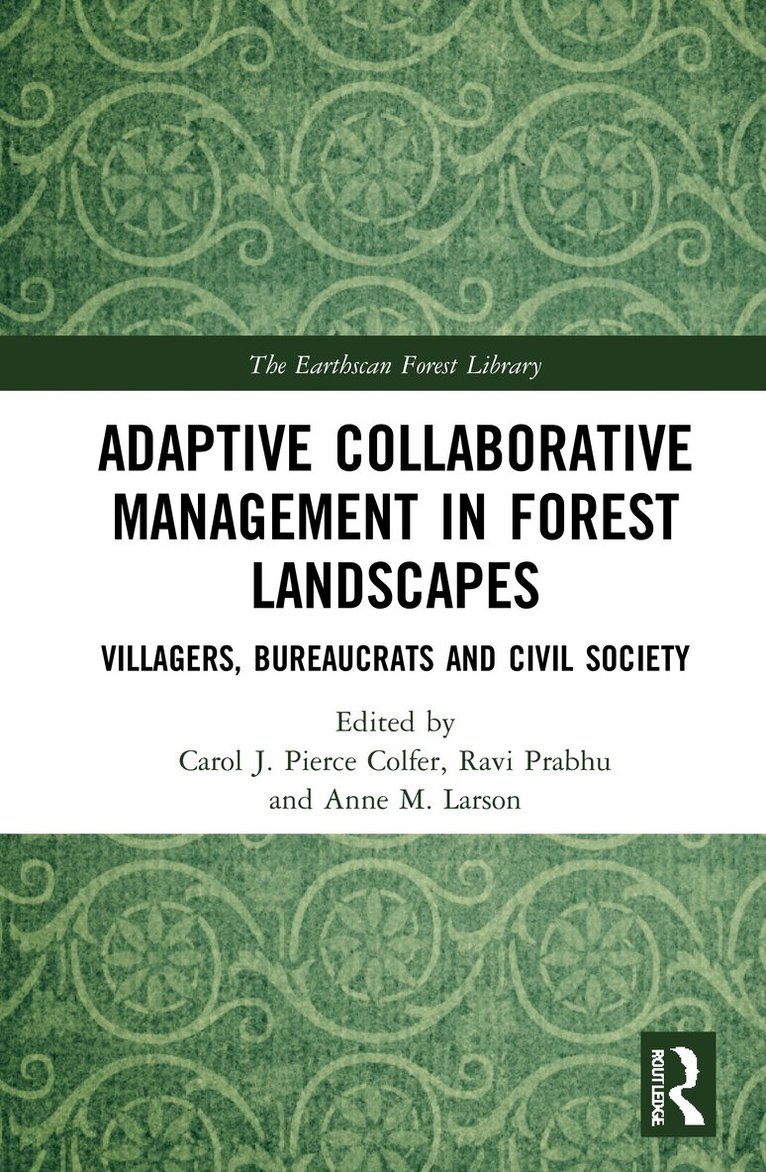
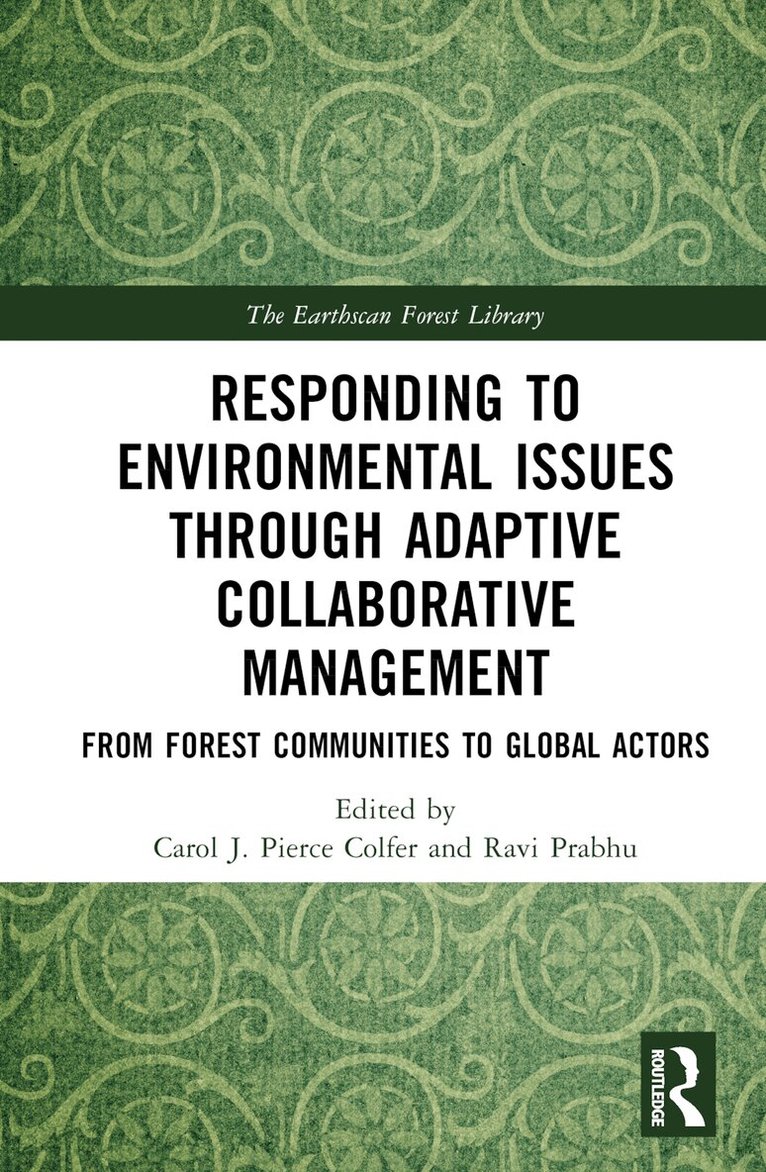
    Carol J. Pierce Colfer is semi-retired from the Center for International Forestry Research in Bogor, Indonesia, where she worked from 1994 until 2009 as Principal Researcher and Program Leader. In 2009, she chose a loose affiliation as a Senior Associate and moved to Ithaca, New York. In 2024, she received the prestigious Scientific Achievement Award from the International Union of Forestry Research Organizations in Sweden. Between 2009 and 2024, she was also affiliated with Cornell University. She has authored and co-edited numerous books, her most recent being two collections are Adaptive Collaborative Management in Forest Landscapes (Taylor & Francis 2022) and Responding to Environmental Issues through Adaptive Collaborative Management (Taylor & Francis 2023).

    Recensioner i media

    “This is a most important and much-needed contribution to the literature on applied anthropology. Its most valuable quality is braiding first-hand experience of an immense number of international locations, ethnic groups, social classes, and political circumstances with a chronological account of her own growth as a person and as an anthropologist.” • Megan Biesele, Director Emerita, Kalahari Peoples Fund.“This book is a nuanced example of ethnography and how it can be practiced. It makes a powerful argument for socially committed social science.” • Robert Fisher, University of Sydney

    Innehållsförteckning

    • List of IllustrationsNarrativesAcknowledgmentsIntroduction: Where We Are HeadedPart I: AwakeningCase 1. Ankara, Türkiye (1955–1961): A Little Girl’s Perspective on Global InequityCase 2. Leaderlong Indian School (1971): Colonialism in the USACase 3. Iran and Inequality (1972): More Homegrown Colonialism Case 4. Bushler Bay, Washington (1973–1977): “Class,” Women, and Seeds of American Political Polarization Case 5. Family Planning Goes International (1975–1976): Stepping into the Multicultural and International Worlds of Wealth Case 6. East-West Center Workshop on Family Planning (1978): Further Inklings of the Power of Quantification in American ColonialismCase 7. Family Planning in Bali (1979): Encountering the International Donor World and Balinese MasculinitiesCase 8. East Kalimantan (): Defined as Elite and Reaping the Benefits Part II: GatheringCase 9. Women in Development at the University of Hawaii (1980–1982): Scientists in an American University Caught Up in ColonialismCase 10. Sitiung, West Sumatra, Indonesia (1983–1986): A Sifting of Colonial DetritusCase 11. The Consulting Experience, USAID (1983–1990): An Introduction to the World of Consulting Case 12. The Sultanate of Oman (1986–1990): Coping with Dismissal as a Woman in an Arab WorldCase 13. Consulting with International Organizations (1990–): Enduring Disillusionment Case 14. Danau Sentarum, West Kalimantan, Indonesia (1992–1993): Life and a Year of NegotiationPart III: Crafting Case 15. Criteria and Indicators for Sustainable Forest Management (1994–1995): Exposure to New Worlds, Confronting Linguistic IncompetenceCase 16. The Social Science Methods Tests (1996–1998): External Actors, Voice, and “Development” in ActionCase 17. Headquarters, Center for International Forestry Research (1995–2009): In the Belly of the Beast—Striving to ImproveCase 18. Adaptive Collaborative Management in Concept (1998–1999): Aiming for a Decolonizing ConceptCase 19. Putting ACM into Practice: Our Shortcomings on the Road to DecolonizationCase 20. Expanding ACM’s Scope in Central Sumatra (2002–2006): Coping with Finance, Authority, and Cultural Difference Case 21. Colonialism in Switzerland, Madagascar, Tanzania, and LaosPart IV: ReflectionCase 22. On : Into an Elite StrongholdCase 23. Revisiting Adaptive Collaborative Management (2020–2023): Broader-Scale Case 24. “Town” vs. “Gown” (2020–2025): Is This Really a Matter of Class?ConclusionCall to Action! What We Do and Don’t Do Matters!AppendicesGlossaryIndex