• Fri frakt över 249 kr
  • •
  • Snabba leveranser
  • •
  • Billiga böcker
Kundservice

Du är på sajten för privatpersoner.

Företag, bibliotek eller offentlig verksamhet?

Du handlar på classic.bokus.com, där alla dina funktioner finns intakta.
Till classic.bokus.com
Bokus logotyp. Gå till startsidan.
  • Erbjudanden
  • Nyheter
  • Student
  • Topplistor
  • Barn & ungdom
  • Bokus Play
  • E-böcker
  • Pocketböcker
  • Spel & pussel

10% rabatt på allt med kod: NYSTART10 →

Sidfot

Mina sidor

    Hjälp

    • Kundservice
    • Vanliga frågor och svar
    • Frakt och leverans
    • Retur vid ångerrätt
    • Reklamera vara
    • Betalning
    • Köpvillkor
    • Allmänna villkor
    • Information om webbplatsens tillgänglighet

    Om Bokus

    • Om oss
    • Pressrum
    • För studenter
    • För företag
    • För bibliotek och offentlig verksamhet
    • För leverantörer
    • Hållbarhet

    Populärt

    • Aktuella erbjudanden
    • Presentkort
    • Studentlitteratur
    • Nya böcker
    • Topplistor
    • Signerade böcker
    • Engelska böcker

    Inspiration

    • Boktips
    • BookTok
    • Populära bokserier
    • Barnbokskaraktärer
    • Populära författare
    Logotyp för Bokus
    Följ oss på Facebook (extern länk)Följ oss på Instagram (extern länk)Följ oss på YouTube (extern länk)Följ oss på TikTok (extern länk)
    bokus @ CookiesAnpassa cookiesIntegritetspolicyKöpvillkor
    Till Citymail hemsida (extern länk)Till Budbee hemsida (extern länk)Till Postnord hemsida (extern länk)Till Schenker hemsida (extern länk)Till Early Bird hemsida (extern länk)Till Walleys hemsida (extern länk)
    1. Ekonomi och Ledarskap
    2. Företagsekonomi
    3. Entreprenörskap

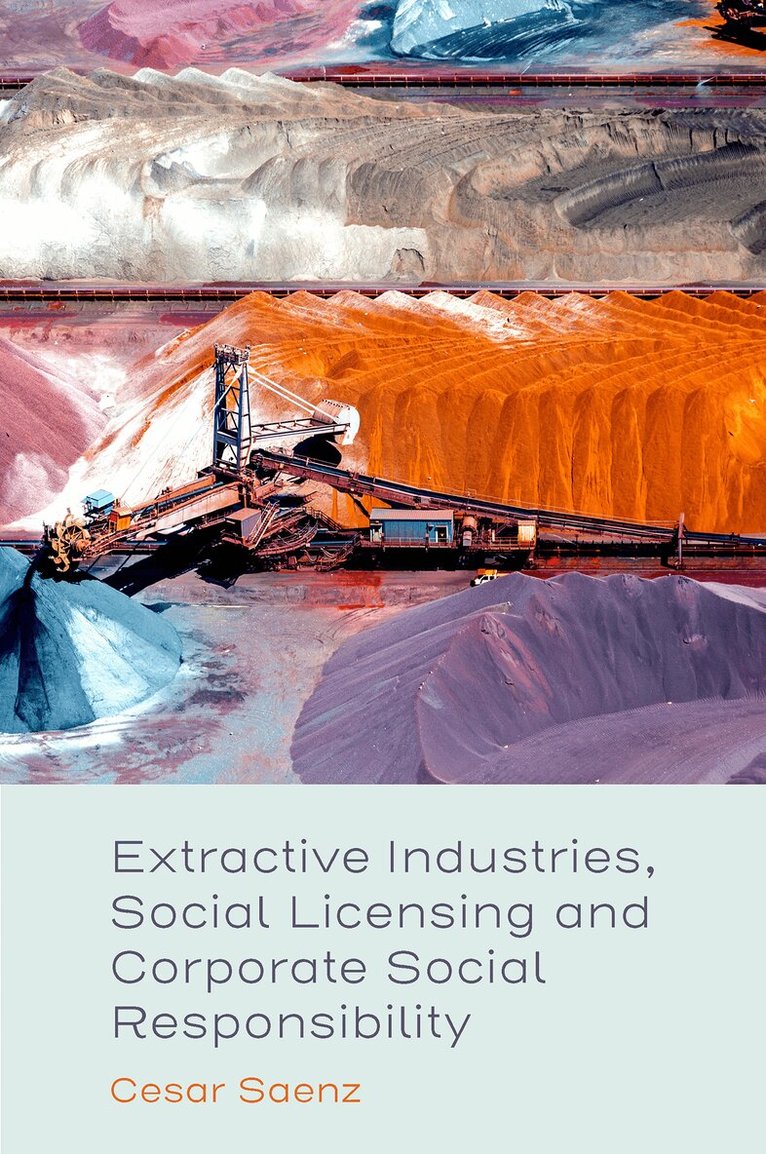
    Extractive Industries, Social Licensing and Corporate Social Responsibility

    AvCesar Saenz

    Inbunden, Engelska, 2024

    1 064 kr

    Beställningsvara. Skickas inom 5-8 vardagar. Fri frakt över 249 kr.

    Fler format och utgåvor

    E-bok

    1 143 kr

    E-bok

    1 146 kr

    Beskrivning

    Communities are rightly concerned about the indiscriminate use of natural resources, environmental pollution, poverty, health, and education, among other social problems. Extractive and industrial companies therefore face the challenge of not only mitigating their social and environmental impacts, but also contributing proactively to the development of the communities within and beyond their area of influence. The challenge will always be to demonstrate that company operations generate well-being for shareholders and the communities.Extractive Industries, Social Licensing and Corporate Social Responsibility provides analytical tools to allow companies to improve their proposal to mitigate and compensate for their socio-environmental impacts and contribute to the development of the communities, as well as strategies used to improve the conditions of communities within and beyond their area of influence. These strategies can ensure the viability of projects, demonstrating that company operations generate a win-win relationship between companies and their communities.The interdisciplinary focus of the chapters presented here appeals to researchers in the areas of environment, ecology, economics and sociology, and practitioners in the extractive industries.

    Produktinformation

    • Utgivningsdatum:2024-05-27
    • Mått:152 x 229 x 12 mm
    • Vikt:308 g
    • Format:Inbunden
    • Språk:Engelska
    • Antal sidor:152
    • Förlag:Emerald Publishing Limited
    • ISBN:9781835491270

    Utforska kategorier

    • Entreprenörskap inom Ekonomi och Ledarskap
    • Affärsetik inom Ekonomi och Ledarskap
    • Lantbruk, fiske och skogsbruk inom Ekonomi och Ledarskap

    Mer om författaren

    Cesar Saenz is Professor at ESAN University, Peru, and a researcher on the business-community relationship to create shared value and gain the social license to operate. For more than a decade Saenz has been researching and systematizing best practices so companies can improve their relationships with the surrounding communities.

    Innehållsförteckning

    • Introduction Chapter 1. Low corporate social value and the dynamics of social conflicts Chapter 2. Social management models Chapter 3. Economic partnership - ownership model Chapter 4. The importance of defining the area of influence Chapter 5. Improving the social proposal regarding water Chapter 6. Social Management Adjustment Model