• Fri frakt över 249 kr
  • •
  • Snabba leveranser
  • •
  • Billiga böcker
Kundservice

Du är på sajten för privatpersoner.

Företag, bibliotek eller offentlig verksamhet?

Du handlar på classic.bokus.com, där alla dina funktioner finns intakta.
Till classic.bokus.com
Bokus logotyp. Gå till startsidan.
  • Erbjudanden
  • Nyheter
  • Student
  • Topplistor
  • Barn & ungdom
  • Bokus Play
  • E-böcker
  • Pocketböcker
  • Spel & pussel

10% rabatt på allt med kod: NYSTART10 →

Sidfot

Mina sidor

    Hjälp

    • Kundservice
    • Vanliga frågor och svar
    • Frakt och leverans
    • Retur vid ångerrätt
    • Reklamera vara
    • Betalning
    • Köpvillkor
    • Allmänna villkor
    • Information om webbplatsens tillgänglighet

    Om Bokus

    • Om oss
    • Pressrum
    • För studenter
    • För företag
    • För bibliotek och offentlig verksamhet
    • För leverantörer
    • Hållbarhet

    Populärt

    • Aktuella erbjudanden
    • Presentkort
    • Studentlitteratur
    • Nya böcker
    • Topplistor
    • Signerade böcker
    • Engelska böcker

    Inspiration

    • Boktips
    • BookTok
    • Populära bokserier
    • Barnbokskaraktärer
    • Populära författare
    Logotyp för Bokus
    Följ oss på Facebook (extern länk)Följ oss på Instagram (extern länk)Följ oss på YouTube (extern länk)Följ oss på TikTok (extern länk)
    bokus @ CookiesAnpassa cookiesIntegritetspolicyKöpvillkor
    Till Citymail hemsida (extern länk)Till Budbee hemsida (extern länk)Till Postnord hemsida (extern länk)Till Schenker hemsida (extern länk)Till Early Bird hemsida (extern länk)Till Walleys hemsida (extern länk)
    1. Kultur
    2. Arkitektur

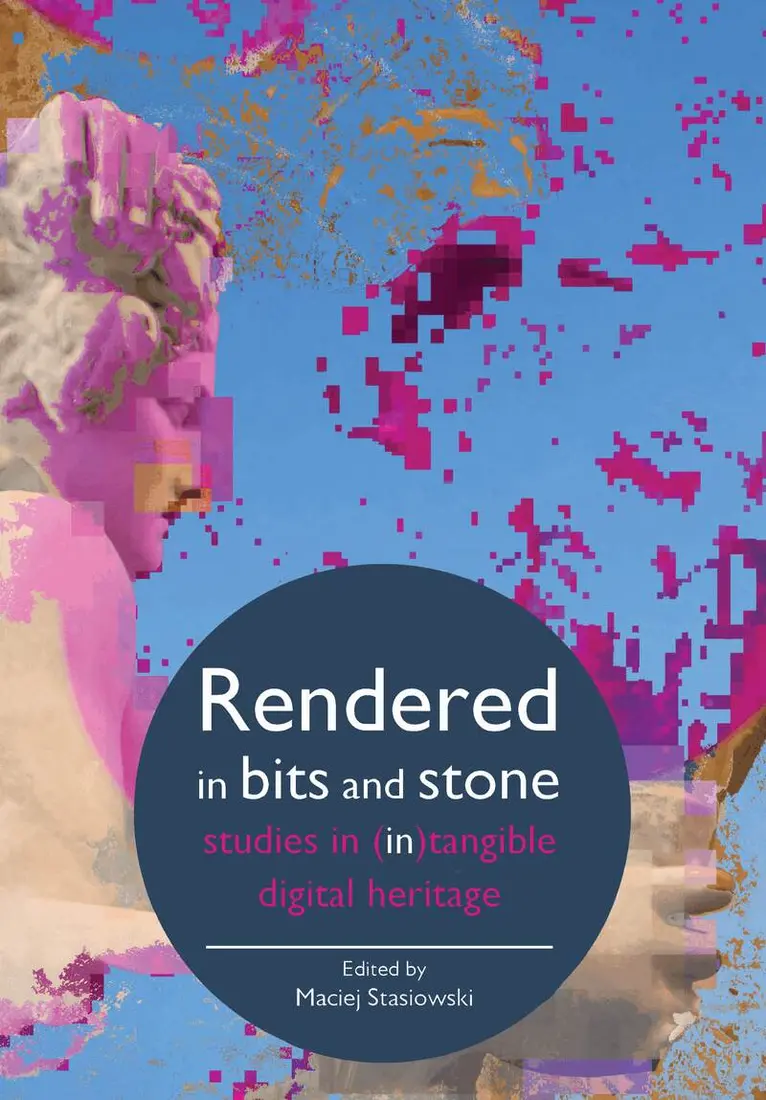
    Rendered in Bits and Stone

    Studies in (In)Tangible Digital Heritage

    AvMaciej Stasiowski

    Inbunden, Engelska, 2026

    Del i serien Mediated Cities

    1 807 kr

    Beställningsvara. Skickas inom 5-8 vardagar. Fri frakt över 249 kr.

    Beskrivning

    The field of digital heritage, definable in the most elementary terms as the application of digital technologies to the practices of conservation and heritage practices, has exploded in recent years.Today it is typical to see 3D modelling, augmented reality, virtual tours and mobile apps as part and parcel of the heritage sector in a whole variety of ways. This has been reflected in academia with a growing number of conferences and publications dedicated to these questions. The objective of this book is to offer an interdisciplinary examination of such practices which, it is expected, will reveal more of the nuances, interplays and a wider range of interests than is found in the current literature. To that end, the book offers chapters from international scholars in several disciplines: architectural conservation, archaeology, cultural tourism, urban studies and photography; heritage, film, game, museal studies, and scenography. Their work deals with three broad areas of activity in the digital heritage field that this book defines as the ‘digital politics of conservation’; technology as a heritage ‘storytelling’ device; and digital technologies as tools to create ‘virtual models of the past’.

    Produktinformation

    • Utgivningsdatum:2026-06-19
    • Mått:170 x 244 x 16 mm
    • Vikt:623 g
    • Format:Inbunden
    • Språk:Engelska
    • Serie:Mediated Cities
    • Antal sidor:262
    • Förlag:Intellect
    • ISBN:9781835952962

    Utforska kategorier

    • Arkitektur inom Kultur
    • Referensverk och tvärvetenskap inom Samhälle och politik
    • Arkeologi: metod och teknik inom Historia och arkeologi

    Mer om författaren

    Maciej Stasiowski, PhD, is a graduate in film and media studies at the Institutue of AudioVisual Arts at the Jagiellonian University’s Faculty of Management and Social Communication (Cracow, Poland). He is the author of the book Atlas of All Things Inconstant: Strategies, structures and metafictional devices in the works of Peter Greenaway (Nomos, 2014), as well as of numerous academic articles on literary utopias, unbuildable architectural projects, and filmic space, among them monograph Anarchitectural Experiments: When Unbuilt Designs Turn to Film (Intellect, 2023) and an edited volume Watch This Space: Exploring Cinematic Intersections Between the Body, Architecture and the City (2024).

    Innehållsförteckning

    • List of FiguresIntroduction: In Tangible Matters: Emergence of the Permanent Exhibit – Maciej StasiowskiPart I: Politics Behind Reconstruction (Intangible Factors in Preservation and Restoration)Chapter 1: Reintegration of Missing Parts on Stone Sculptures: Comparing Traditional and Modern Techniques – Peter KozubChapter 2: Mixing Realities to Awaken the Future: Visiting the Monastery of Santa Cruz, Coimbra, in 1834 – Rui Lobo and Mauro Costa CouceiroChapter 3: Making Imagination of Pasts with the Case Study “Reconstructing the Neighbourhood” – Atanur AndıçPart II: Agents of Storytelling (Agency Versus Storytelling)Chapter 4: The City as a Museum: Restoring the Identity and Intangible Heritage of Nottingham's Multicultural Past through Augmented Reality and Location-Based Technology – Andrea MonetaChapter 5: Conservation in the Post-Pandemic Era: Avatar-Based Virtual Reality Technology Provides New Opportunities for Heritage Conservation – a Case Study of the Ex-Sham Shui Po Service Reservoir in Hong Kong – Mingming Zhao, Yuan Jin, Tatjana Crossley and Thomas Wang Leung ChungChapter 6: Heterotopia on Demand: The Digital Possesso Project – Antonella de Michelis and Hussein KeshaniPart III: Resurrections (Restoring the Damaged, Reviving the Lost)Chapter 7: 3D Virtual Reconstruction of Petra Utilising Crowdsourced Images Based on Retracing Visitors' Experiences – Nemeh RihaniChapter 8: Augmenting Archives, Agency and Authenticity: A Case Study of Using WebXR to Resurrect the Lost City of Dunwich – Emily GoddenChapter 9: On the Dormant Buildings of Imbros: Photogrammetry and the Aesthetic Deployment of Harman’s Object-Oriented Ontology – Sevcan Ercan and Joe GrahamPart IV: Algorithmic UncertaintyChapter 10: Machine Vision and Algorithmic Creativity: Application of Image Recognition Algorithms to Architectural Style Analysis – Małgorzata Starzyńska-GrześNotes on ContributorsIndex