Maciej Stasiowski - Böcker
Visar alla böcker från författaren Maciej Stasiowski. Handla med fri frakt och snabb leverans.
3 produkter
3 produkter
1 530 kr
Skickas inom 5-8 vardagar
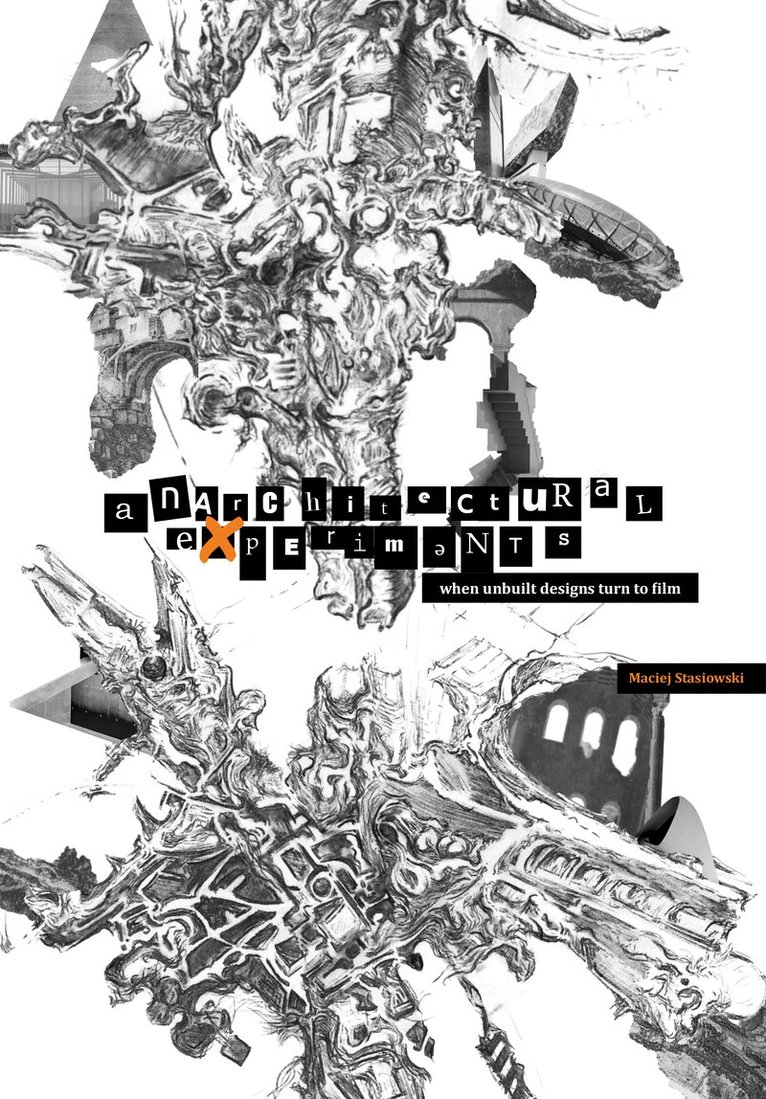
The book investigates speculative filmic architectural projects and animations that go beyond representing buildings, touching upon issues concerning medium, act of representation, or conducting criticism on history, culture, society, or urban politics, along with the mediated character of contemporary spatial experience – interpreting it primarily through protocols of architectural imaging.The book centres on the influence of simulation and cinematic design on visionary or speculative architecture. It outlines the impact of film and animation in architectural representation through key projects. The opening analysis is useful in contextualizing speculative architectural projects, while the later chapters link the theory to the imagery. Stasiowski uses a diverse collection of interesting case studies that are easy to read and well-chosen to support his argument.This is a well-researched work and comprehensive review of speculative architecture and various media that describe it. Stasiowski makes a thorough argument about the use of cinema and animation as a method of architectural visualization.Stasiowki’s book sets itself apart from other work in the same area by in discussing speculative projects in relation to cinema. and specifically, the effect that modern technologies are having on the subject now and in its potential futures.The borderline between material environment and spatialized imagery becomes progressively more blurred, while demand for visionary works that would make sense of this merging, has never been greater.It will appeal primarily to architects and designers, filmmakers and academics. It may also be of interest to artists, set designers, and film production designers.
Watch This Space
Exploring Cinematic Intersections Between the Body, Architecture, and the City
Inbunden, Engelska, 2024
1 610 kr
Skickas inom 5-8 vardagar
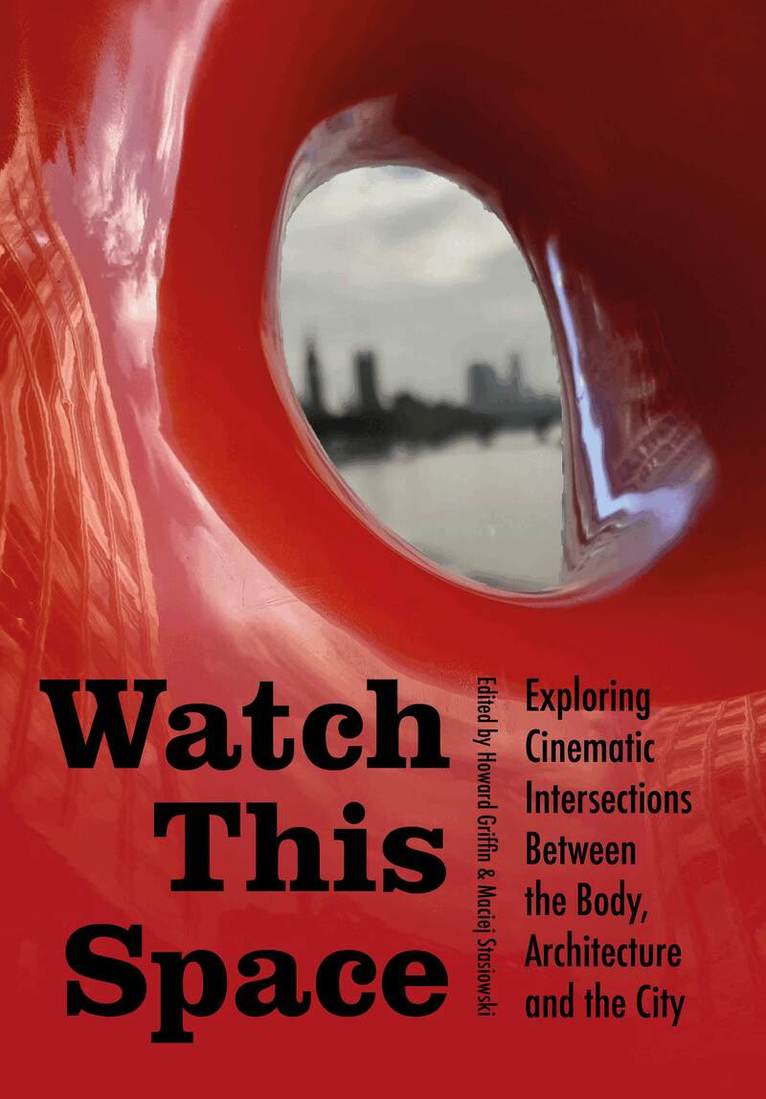
This book, and its individual essays, examine key emerging and evolving practices, theories and methodologies that operate in the blurred boundary between spatial design disciplines, such as architecture, interior and urban design, and film and moving image studies more broadly.The collection is an exploration of the evolving interdisciplinary rhetoric connecting spatial design disciplines like architecture and urban design with film and moving image studies. It is premised on the argument that the understanding of ‘space’ in these areas continues to draw on each other’s fields of reference and that, in recent times, this has expanded further to the point in which it blurs with multiple other disciplines including media art, cultural studies and art practice, to name but three. The result of this evolving interdisciplinary understating of ‘space’ in design disciplines and moving image studies is an expanded field of haptic-visual practice and theory that can be investigated as both a material and an image-based construct.It engages with this evolving set of ideas and underlines how each of its primary discipline areas now increasingly incorporate tools and methodologies from each other’s fields. For example, architects routinely engage with cinematic practice as a means of exploring space, cultural theorists inspect filmic space as a two-dimensional surrogate of the real, media artists incorporate knowledge of spatial design in video installations, and film makers create spaces on screen that are informed by architectural theory. This all follows what can be defined as a discursive turn in our view of spatial relationships across disciplines which, by definition, is complex, eclectic, occasionally contradictory and at times characterised by surprising confluences.Conceived as a form of mapping of these confluences and contradictions, this book collects varied essays that, in their own unique ways, explore the diversity of how we today define, understand and engage with notions of the body in architectural-urban space. It does so through a triadic structure that progresses from haptic relationships of the body in architectural space, through film readings of represented space in mainstream cinema, and concludes with ‘experimental spatial’ projects inspired by film and the moving image. This tripartite structure specifically encourages a look across disciplines, broadening architectural, urbanist, media and cinematic concerns through insightful case studies that engage with their subjects by means of novel techniques, i.e. employing graphic software for an analysis of pre-digital films, deconstructing cinematography in modernist classics, or researching urban edgelands via collaging and montage etc.
2 190 kr
Kommande
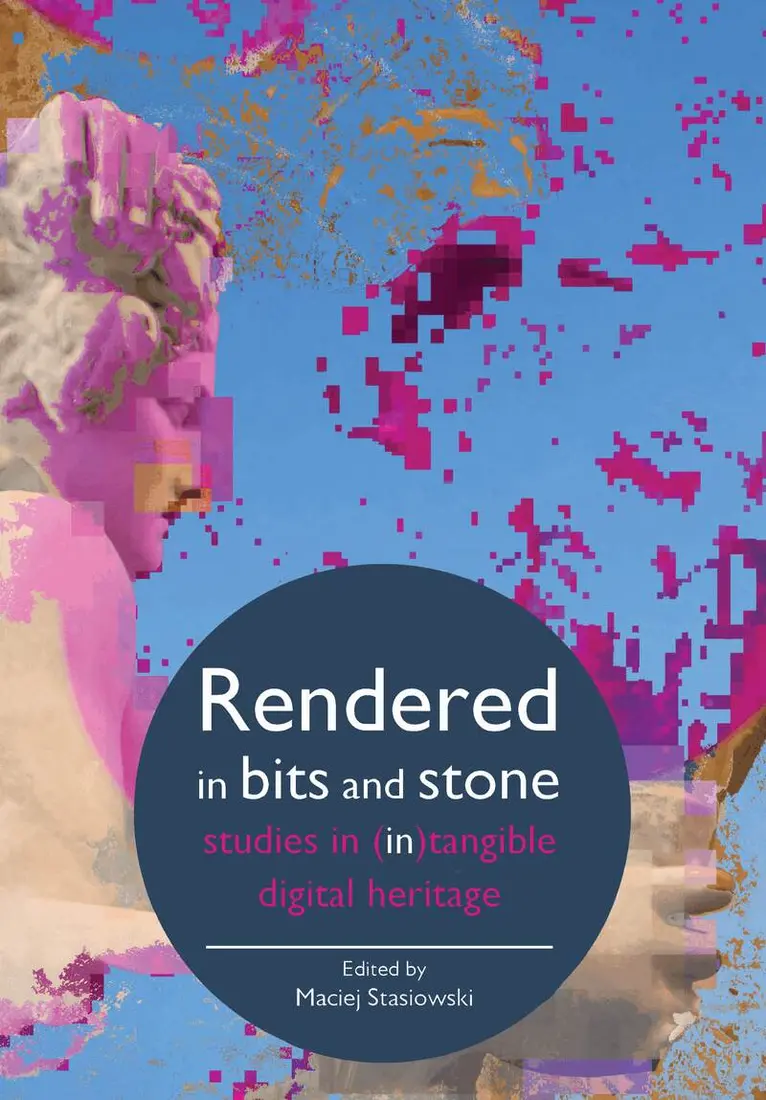
The field of digital heritage, definable in the most elementary terms as the application of digital technologies to the practices of conservation and heritage practices, has exploded in recent years.Today it is typical to see 3D modelling, augmented reality, virtual tours and mobile apps as part and parcel of the heritage sector in a whole variety of ways. This has been reflected in academia with a growing number of conferences and publications dedicated to these questions. The objective of this book is to offer an interdisciplinary examination of such practices which, it is expected, will reveal more of the nuances, interplays and a wider range of interests than is found in the current literature. To that end, the book offers chapters from international scholars in several disciplines: architectural conservation, archaeology, cultural tourism, urban studies and photography; heritage, film, game, museal studies, and scenography. Their work deals with three broad areas of activity in the digital heritage field that this book defines as the ‘digital politics of conservation’; technology as a heritage ‘storytelling’ device; and digital technologies as tools to create ‘virtual models of the past’.