Inbunden, Engelska, 2026
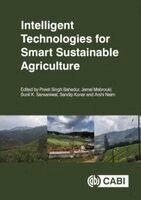
Intelligent Technologies for Smart Sustainable Agriculture
Av Preeti Singh Bahadur, Jamal Mabrouki, Sunil Sansaniwal, Sandip Kunar, Arshi Naim
2100 kr
Kommande
Beskrivning
By 2050, it is estimated that there will be 10 billion people on the planet, putting tremendous pressure on the agricultural industry to boost crop yields and productivity. In addition, in order to be sustainable, farming systems also need to create and preserve healthy soil, manage water resources, lower pollution, and maintain and hopefully increase biodiversity. This book explores the transformative role of new technologies like artificial intelligence (AI), machine learning, the Internet of Things (IoT), blockchain, and green computing in the future of sustainable agriculture. The integration of AI and machine learning is enhancing energy efficiency in agriculture and reducing environmental impact, while AI-driven biosensors enable real-time monitoring of soil health, crop conditions, and disease detection. Emerging technologies like blockchain offer ecofriendly frameworks for supply chain optimization and IoT-enabled smart farming enhances precision agriculture, improving water and resource management. As agriculture becomes more digital, green computing minimizes energy consumption and waste and advances in next-generation materials support ecofriendly farming practices. AI-powered climate modeling and IoT-enabled smart grids optimize agricultural energy use, promoting a sustainable balance between production and conservation. Featuring 15 chapters by global experts, this book covers innovative methods and cutting-edge technologies, including smart agriculture, sensor-based systems, and sustainable engineering. It offers a comprehensive framework for fostering sustainable agricultural development, serving as an invaluable resource for researchers, policy makers, and industry professionals. The book: Explores cutting-edge technologies such as AI, IoT and blockchain, showcasing their transformative impact on agricultural practices and sustainability. Highlights innovative methods and strategies that optimize resource use, improve productivity and reduce environmental impact in farming. Provides practical insights into how AI and machine learning can enhance energy efficiency and real-time monitoring of soil, crops and diseases. Offers a comprehensive framework for integrating smart farming technologies, facilitating precision agriculture and sustainable water management. Examines the role of emerging technologies like green computing and next-generation materials in advancing eco-friendly farming practices and reducing digital waste.
Produktinformation
- Utgivningsdatum: 2026-11-30
- Mått: 172 x 244 x undefined mm
- Format: Inbunden
- Språk: Engelska
- Antal sidor: 360
- Förlag: CABI Publishing
- ISBN: 9781836993179
Utforska kategorier
Betyg & recensioner
0 recensioner
Inga recensioner tillgängliga.