• Fri frakt över 249 kr
  • •
  • Snabba leveranser
  • •
  • Billiga böcker
Kundservice

Du är på sajten för privatpersoner.

Företag, bibliotek eller offentlig verksamhet?

Du handlar på classic.bokus.com, där alla dina funktioner finns intakta.
Till classic.bokus.com
Bokus logotyp. Gå till startsidan.
  • Erbjudanden
  • Nyheter
  • Student
  • Topplistor
  • Barn & ungdom
  • Bokus Play
  • E-böcker
  • Pocketböcker
  • Spel & pussel

10% rabatt på allt med kod: NYSTART10 →

Sidfot

Mina sidor

    Hjälp

    • Kundservice
    • Vanliga frågor och svar
    • Frakt och leverans
    • Retur vid ångerrätt
    • Reklamera vara
    • Betalning
    • Köpvillkor
    • Allmänna villkor
    • Information om webbplatsens tillgänglighet

    Om Bokus

    • Om oss
    • Pressrum
    • För studenter
    • För företag
    • För bibliotek och offentlig verksamhet
    • För leverantörer
    • Hållbarhet

    Populärt

    • Aktuella erbjudanden
    • Presentkort
    • Studentlitteratur
    • Nya böcker
    • Topplistor
    • Signerade böcker
    • Engelska böcker

    Inspiration

    • Boktips
    • BookTok
    • Populära bokserier
    • Barnbokskaraktärer
    • Populära författare
    Logotyp för Bokus
    Följ oss på Facebook (extern länk)Följ oss på Instagram (extern länk)Följ oss på YouTube (extern länk)Följ oss på TikTok (extern länk)
    bokus @ CookiesAnpassa cookiesIntegritetspolicyKöpvillkor
    Till Citymail hemsida (extern länk)Till Budbee hemsida (extern länk)Till Postnord hemsida (extern länk)Till Schenker hemsida (extern länk)Till Early Bird hemsida (extern länk)Till Walleys hemsida (extern länk)
    1. Ekonomi och Ledarskap
    2. Nationalekonomi
    3. Internationell ekonomi

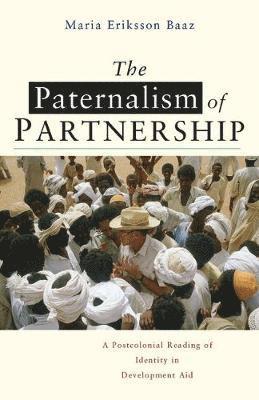
    Paternalism of Partnership

    A Postcolonial Reading of Identity in Development Aid

    AvMaria Eriksson Baaz

    Häftad, Engelska, 2005

    522 kr

    Beställningsvara. Skickas inom 10-15 vardagar. Fri frakt över 249 kr.

    Beskrivning

    The development industry has been criticized recently from very diverse quarters. This book is a nuanced and original investigation of Northern donor agency personnel as they deliver aid in Tanzania. The author explores in particular how donor identities are manifested in the practices of development aid, and how calls for equal partnership between North and South are often very different in practice. She demonstrates the conflicts and tensions in the development aid process. These reflect both the longstanding critique of the Eurocentric nature of development, and discourse that still assumes images of the superior, initiating, efficient 'donor' as opposed to the inadequate, passive, unreliable 'partner' or recipient.This book will be useful to students seeking an introduction to postcolonial studies and the ways in which it can throw light on contemporary social realities, and to scholars interested in the ethnographic realities of aid delivery.

    Produktinformation

    • Utgivningsdatum:2005-03-21
    • Mått:137 x 216 x 7 mm
    • Vikt:280 g
    • Format:Häftad
    • Språk:Engelska
    • Antal sidor:224
    • Förlag:Bloomsbury Publishing PLC
    • ISBN:9781842774151

    Utforska kategorier

    • Internationell ekonomi inom Ekonomi och Ledarskap
    • Referensverk och tvärvetenskap inom Samhälle och politik

    Mer om författaren

    Maria Eriksson Baaz is a researcher at the Department of Peace and Development Research (Padrigu), Goteborg University, where she obtained her PhD. She has recently been a visiting professor at Dublin City University and guest researcher at the Nordic Africa Institute. Besides lecturing at Padrigu and DCU she has lectured extensively at development organizations. Baaz has published several articles in her field.

    Recensioner i media

    'On the basis of an excellent analysis of the Nordic intervention in East Africa, Maria Eriksson Baaz takes us into the compexity of a difficult dialogue between aid to development and politics of identities. This is a remarkable study that will serve as a firm and well thought out introduction to postcolonial studies in general.'V. Y. Mudimbe'The post-colonial discourse has been somewhat lacking in empirixal substance. This is, therefore, a much welcomes and fascinating book on the construction of identity in the development industry.'Bjorn Hettne'Development theorists are beginning to acknowledge that aid workers reproduce and thrive on postcolonial representations of identity. The African "other" is sometimes seen through a romantic lens, more often a derogatory one: passive, corrupt and dangerous. Eriksson contributes to this emerging body of work by exposing and contextualising such racist assumptions.'Emma Crewe, University of Warwick'The Paternalism of Partnership is an important contribution to the development literature. The development industry is no stranger to criticism. Recent critiques have drawn on post-colonial approaches for their attack on the Euro-centric nature of much development policy and praxis, but few have explored detailed case studies. Eriksson moves the analysis to another level, examining the discourses, identities and politics of Nordic donor agents in Tanzania. Her grounded, in-depth analysis demonstrates the exciting potential of post-colonial approaches, both for illuminating the complexities of grassroots aid delivery and for understanding the impact of global development discourses policy and praxis. This book is a landmark study that will attract attention from students and scholars.'Jane Parpart, Lester B. Pearson chair in international development studies at Dalhousie University, Canada

    Innehållsförteckning

    • Preface1. Identity and development aid2. 'The white man's burden' and other stories3. Situating identity in the development aid context4. The omniscient self and the backward, passive and unreliable partner5. The equal partner and politics of desire6. Concluding remarks