• Fri frakt över 249 kr
  • •
  • Snabba leveranser
  • •
  • Billiga böcker
Kundservice

Du är på sajten för privatpersoner.

Företag, bibliotek eller offentlig verksamhet?

Du handlar på classic.bokus.com, där alla dina funktioner finns intakta.
Till classic.bokus.com
Bokus logotyp. Gå till startsidan.
  • Erbjudanden
  • Nyheter
  • Student
  • Topplistor
  • Barn & ungdom
  • Bokus Play
  • E-böcker
  • Pocketböcker
  • Spel & pussel

10% rabatt på allt med kod NYSTART10 →

Sidfot

Mina sidor

    Hjälp

    • Kundservice
    • Vanliga frågor och svar
    • Frakt och leverans
    • Retur vid ångerrätt
    • Reklamera vara
    • Betalning
    • Köpvillkor
    • Allmänna villkor
    • Information om webbplatsens tillgänglighet

    Om Bokus

    • Om oss
    • Pressrum
    • För studenter
    • För företag
    • För bibliotek och offentlig verksamhet
    • För leverantörer
    • Hållbarhet

    Populärt

    • Aktuella erbjudanden
    • Presentkort
    • Studentlitteratur
    • Nya böcker
    • Topplistor
    • Signerade böcker
    • Engelska böcker

    Inspiration

    • Boktips
    • BookTok
    • Populära bokserier
    • Barnbokskaraktärer
    • Populära författare
    Logotyp för Bokus
    Följ oss på Facebook (extern länk)Följ oss på Instagram (extern länk)Följ oss på YouTube (extern länk)Följ oss på TikTok (extern länk)
    bokus @ CookiesAnpassa cookiesIntegritetspolicyKöpvillkor
    Till Citymail hemsida (extern länk)Till Budbee hemsida (extern länk)Till Postnord hemsida (extern länk)Till Schenker hemsida (extern länk)Till Early Bird hemsida (extern länk)Till Walleys hemsida (extern länk)
    1. Samhälle och politik
    2. Samhälle och kultur
    3. Sociala grupper och identitet

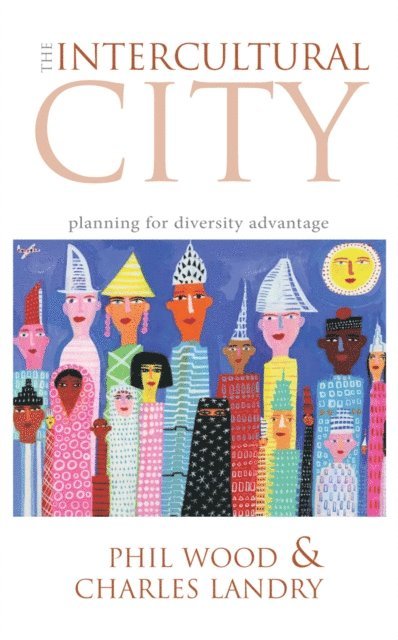
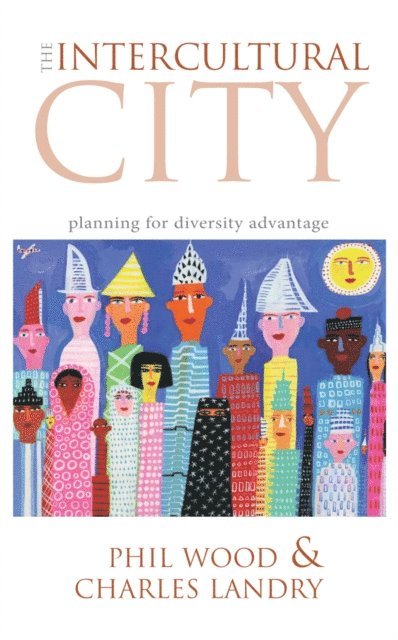
    Intercultural City

    Planning for Diversity Advantage

    AvPhil Wood,Charles Landry

    Inbunden, Engelska, 2007

    2 956 kr

    Beställningsvara. Skickas inom 10-15 vardagar. Fri frakt över 249 kr.

    Fler format och utgåvor

    Häftad

    695 kr

    Beskrivning

    In a world of increasing mobility, how people of different cultures live together is a key issue of our age, especially for those responsible for planning and running cities. New thinking is needed on how diverse communities can cooperate in productive harmony instead of leading parallel or antagonistic lives. Policy is often dominated by mitigating the perceived negative effects of diversity, and little thought is given to how a diversity dividend or increased innovative capacity might be achieved. The Intercultural City, based on numerous case studies worldwide, analyses the links between urban change and cultural diversity. It draws on original research in the US, Europe, Australasia and the UK. It critiques past and current policy and introduces new conceptual frameworks. It provides significant and practical advice for readers, with new insights and tools for practitioners such as the intercultural lens, indicators of openness, urban cultural literacy and ten steps to an Intercultural City. Published with Comedia.

    Produktinformation

    • Utgivningsdatum:2007-11-01
    • Mått:138 x 216 x 24 mm
    • Vikt:870 g
    • Format:Inbunden
    • Språk:Engelska
    • Antal sidor:384
    • Förlag:Taylor & Francis Ltd
    • ISBN:9781844074372

    Utforska kategorier

    • Sociala grupper och identitet inom Samhälle och politik
    • Etnicitet inom Samhälle och politik

    Mer om författaren

    Phil Wood has been a partner in the urban policy think-tank Comedia since 2000. He worked for 20 years in local government, community and cultural development and has advised the UK Governments Commission on Integration and Cohesion. Charles Landry founded Comedia in 1978, which seeks to rethink the major global issues for cities. An international authority on urban futures and city revitalization, he is the author of The Creative City and The Art of City-Making.

    Recensioner i media

    'This book reminds us - with both proof and passion - that there can be no truly creative or competitive cities without first having curiosity, compassion, conviviality and cooperation.' Richard Florida, author of The Rise of the Creative Class'A much-needed addition to the literature.' Kathy Pain, director of Globalization and World Cities Spatial Planning Unit, Loughborough University'Wood and Landry have emerged as the leading exponents in the UK of the path from multiculturalism to interculturalism... Their refreshingly grounded approach builds on actual examples and provides inspiring stories of the social and economic benefits of embracing diversity. A must-read for those involved in city building, community development and place making.' Leonie Sandercock, professor in urban planning and social policy, University of British Columbia'This is a highly topical area and with increasing concern about ghettos in our cities this would provide useful material.' Clive Harridge, President of RTPI'This book is a fantastic achievement ... a valuable, and highly useful study.' Macroscopio'This book is a fantastic achievement by the authors. It offers a concise overview of extant literature and policies, as well as hands-on recommendations for local administration. A must-read study.' Orhan Kaya, alderman for participation and culture, Rotterdam, The Netherlands'This book is a welcome celebration of urban cultural diversity that lays out new concepts and policies to enhance recognition across the social and cultural divide, but without ducking the very real challenges.' Professor Ash Amin, Department of Geography, Durham University'This book is an important addition to the existing literature and a valuable resource for all the professionals in the built environment.' Institution of Civil Engineers

    Innehållsförteckning

    • Introduction: Setting the Scene * The Urge to Define, Sort and Categorize * The Context of Diversity * Living Apart: Segregation * Living Together Then: A Short History of Urban Encounter * Living Together Now: Modern Zones of Encounter * Diversity Advantage: The Benefits of Cross-cultural Interaction * The City Through an Intercultural Lens * A New Intercultural Citizenship * Indicators of Openness and Interculturalism * Conclusions: The Ecology of the New Civics * Index