• Fri frakt över 249 kr
  • •
  • Snabba leveranser
  • •
  • Billiga böcker
Kundservice

Du är på sajten för privatpersoner.

Företag, bibliotek eller offentlig verksamhet?

Du handlar på classic.bokus.com, där alla dina funktioner finns intakta.
Till classic.bokus.com
Bokus logotyp. Gå till startsidan.
  • Erbjudanden
  • Nyheter
  • Student
  • Topplistor
  • Barn & ungdom
  • Bokus Play
  • E-böcker
  • Pocketböcker
  • Spel & pussel

10% rabatt på allt med kod: NYSTART10 →

Sidfot

Mina sidor

    Hjälp

    • Kundservice
    • Vanliga frågor och svar
    • Frakt och leverans
    • Retur vid ångerrätt
    • Reklamera vara
    • Betalning
    • Köpvillkor
    • Allmänna villkor
    • Information om webbplatsens tillgänglighet

    Om Bokus

    • Om oss
    • Pressrum
    • För studenter
    • För företag
    • För bibliotek och offentlig verksamhet
    • För leverantörer
    • Hållbarhet

    Populärt

    • Aktuella erbjudanden
    • Presentkort
    • Studentlitteratur
    • Nya böcker
    • Topplistor
    • Signerade böcker
    • Engelska böcker

    Inspiration

    • Boktips
    • BookTok
    • Populära bokserier
    • Barnbokskaraktärer
    • Populära författare
    Logotyp för Bokus
    Följ oss på Facebook (extern länk)Följ oss på Instagram (extern länk)Följ oss på YouTube (extern länk)Följ oss på TikTok (extern länk)
    bokus @ CookiesAnpassa cookiesIntegritetspolicyKöpvillkor
    Till Citymail hemsida (extern länk)Till Budbee hemsida (extern länk)Till Postnord hemsida (extern länk)Till Schenker hemsida (extern länk)Till Early Bird hemsida (extern länk)Till Walleys hemsida (extern länk)
    1. Kultur
    2. Scenkonst och film
    3. Film

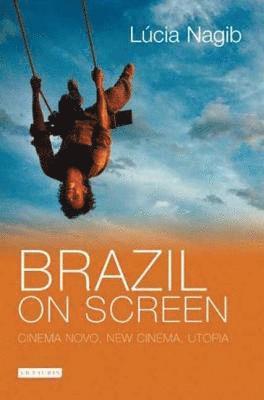
    Brazil on Screen

    Cinema Novo, New Cinema and Utopia

    AvLucia Nagib,Lúcia Nagib

    Häftad, Engelska, 2007

    Del i serien Tauris World Cinema Series

    391 kr

    Beställningsvara. Skickas inom 10-15 vardagar. Fri frakt över 249 kr.

    Fler format och utgåvor

    E-bok

    417 kr

    Beskrivning

    Two periods of Brazilian film history are particularly notable for their artistic momentum: the Cinema Novo movement of the 1960s and early '70s, and the film revival from the mid 1990s onwards. What makes them especially strong, this book argues, is their utopian impulse. By adopting Utopia as a theme, as well as a method of film analysis, Lucia Nagib unveils, organises and interprets a fascinating wealth of recurrent images, which are a bridge between a cinema strongly concerned with the national project and another informed by global culture. Outstanding recent films, such as "Central Station", "Perfumed Ball", "Hans Staden", "Orfeu", "City of God" and "The Trespasser", are illuminated by Nagib's sharp analysis, which detects utopian, anti-utopian and even dystopian impulses in them. They are at once representatives of a political arena in constant struggle against underdevelopment and legitimate (as well as critical) heirs of past cinematic traditions.Throwing new light on a large selection of Cinema Novo and contemporary films, this book thus presents a national cinema that rejects the end of history and of film history, while benefiting from, and contributing to, a new transnational aesthetics.

    Produktinformation

    • Utgivningsdatum:2007-07-30
    • Mått:156 x 234 x 16 mm
    • Vikt:328 g
    • Format:Häftad
    • Språk:Engelska
    • Serie:Tauris World Cinema Series
    • Antal sidor:200
    • Förlag:Bloomsbury Publishing PLC
    • ISBN:9781845113285

    Utforska kategorier

    • Film inom Kultur

    Mer om författaren

    Lucia Nagib is Centenary Professor of World Cinema and Director of the Centre for World Cinemas at the University of Leeds. Her books include 'Werner Herzog - Film as Realit'y, 'Born of the Ashes: The Auteur and the Individual in Oshima's Films', 'Around the Japanese Nouvelle Vague' and (as editor) 'The New Brazilian Cinema' (I.B. Tauris, 2004). She is Series Editor of 'Tauris World Cinema Series'.

    Recensioner i media

    'Brazil on Screen' takes on the challenge of presenting in an organised and elucidating manner, in clear prose that shifts effortlessly between multiple approaches to very different films, central aspects of the rich and complex material that contemporary Brazilian cinema attempts to shape.' From the Preface by Davi Arrigucci Jr 'Written by a brilliant film reader, Nagib's essays... make it obligatory to watch all those films again with renewed attention to the details she unveils.' Sergio Rizzo, 'Folha de S. Paulo' 'From now on every study of the Brazilian cinema will need to take into consideration Lucia Nagib's book.' Alcino Leite Neto, 'Tropico'