• Fri frakt över 249 kr
  • •
  • Snabba leveranser
  • •
  • Billiga böcker
Kundservice

Du är på sajten för privatpersoner.

Företag, bibliotek eller offentlig verksamhet?

Du handlar på classic.bokus.com, där alla dina funktioner finns intakta.
Till classic.bokus.com
Bokus logotyp. Gå till startsidan.
  • Erbjudanden
  • Nyheter
  • Student
  • Topplistor
  • Barn & ungdom
  • Bokus Play
  • E-böcker
  • Pocketböcker
  • Spel & pussel

Må bättre, för mindre! Upp till 50% rabatt på hälsoböcker

Sidfot

Mina sidor

    Hjälp

    • Kundservice
    • Vanliga frågor och svar
    • Frakt och leverans
    • Retur vid ångerrätt
    • Reklamera vara
    • Betalning
    • Köpvillkor
    • Allmänna villkor
    • Information om webbplatsens tillgänglighet

    Om Bokus

    • Om oss
    • Pressrum
    • För studenter
    • För företag
    • För bibliotek och offentlig verksamhet
    • För leverantörer
    • Hållbarhet

    Populärt

    • Aktuella erbjudanden
    • Presentkort
    • Studentlitteratur
    • Nya böcker
    • Topplistor
    • Signerade böcker
    • Engelska böcker

    Inspiration

    • Boktips
    • BookTok
    • Populära bokserier
    • Barnbokskaraktärer
    • Populära författare
    Logotyp för Bokus
    Följ oss på Facebook (extern länk)Följ oss på Instagram (extern länk)Följ oss på YouTube (extern länk)Följ oss på TikTok (extern länk)
    bokus @ CookiesAnpassa cookiesIntegritetspolicyKöpvillkor
    Till Citymail hemsida (extern länk)Till Budbee hemsida (extern länk)Till Postnord hemsida (extern länk)Till Schenker hemsida (extern länk)Till Early Bird hemsida (extern länk)Till Walleys hemsida (extern länk)
    1. Historia och arkeologi
    2. Historia
    3. Europas historia

    Political Violence in the Weimar Republic, 1918-1933

    Fight for the Streets and Fear of Civil War

    AvDirk Schumann

    Inbunden, Engelska, 2009

    Del i serien Studies in German History

    2 117 kr

    Beställningsvara. Skickas inom 5-8 vardagar. Fri frakt över 249 kr.

    Fler format och utgåvor

    Häftad

    347 kr

    Beskrivning

    A comprehensive analysis of political violence in Weimar Germany with particular emphasis on the political culture from which it emerged.“Today’s readers, living in what Charles Maier calls ‘a new epoch of vanished reassurance’, will find this book absorbing and troubling.”—The HistorianThe Prussian province of Saxony—where the Communist uprising of March 1921 took place and two Combat Leagues (Wehrverbände) were founded (the right-wing Stahlhelm and the Social Democratic Reichsbanner)—is widely recognized as a politically important region in this period of German history. Using a case study of this socially diverse province, this book refutes both the claim that the Bolshevik revolution was the prime cause of violence and the argument that the First World War’s all-encompassing “brutalization” doomed post-1918 German political life from the very beginning. The study thus contributes to a view of the Weimar Republic as a state in severe crisis but with alternatives to the Nazi takeover.From the introduction:After the phase of civil war, political violence assumed a distinctly limited form. It was no longer aimed at killing or wounding as many opponents as possible; instead, it served political parties and organizations as an instrument for exerting pressure in the struggle over control of the street. This development was driven by the Combat Leagues (Wehrverbände) of all political camps, who, with their uniforms and marches, injected militaristic elements into the political culture. However, since the violence they perpetrated followed a political and not a military logic, it was, as I will show, in principle controllable and did not pose a fundamental threat to the political order, not even in 1932, that particularly turbulent year before Hitler’s assumption of power.

    Produktinformation

    • Utgivningsdatum:2009-03-01
    • Mått:152 x 229 x 26 mm
    • Vikt:653 g
    • Format:Inbunden
    • Språk:Engelska
    • Serie:Studies in German History
    • Antal sidor:398
    • Förlag:Berghahn Books
    • ISBN:9781845454609

    Utforska kategorier

    • Europas historia inom Historia och arkeologi
    • Politik och statsskick inom Samhälle och politik

    Mer om författaren

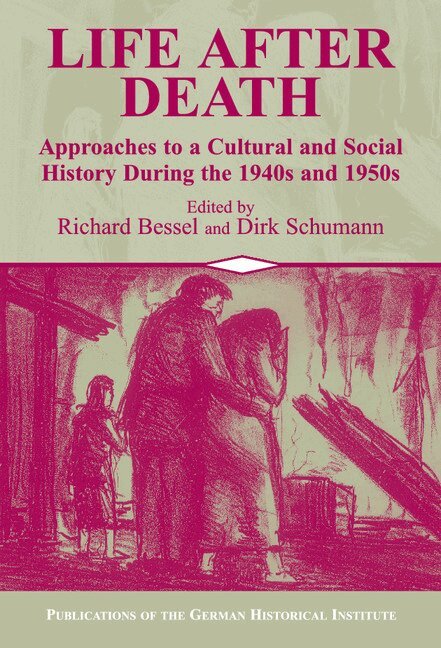
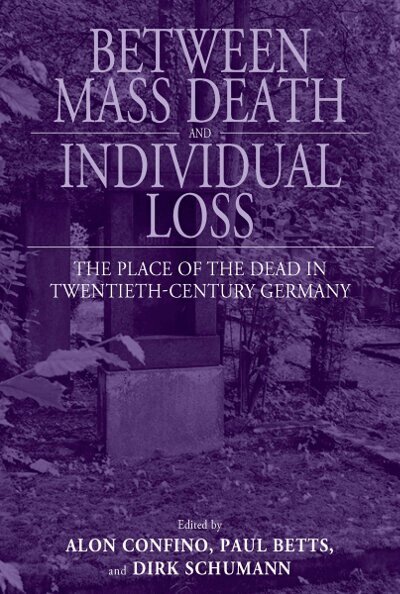
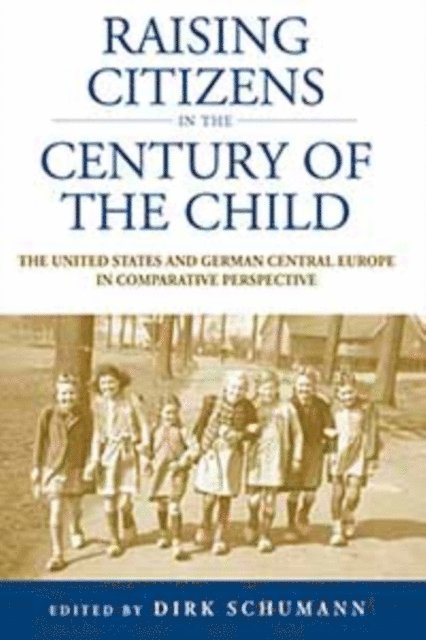
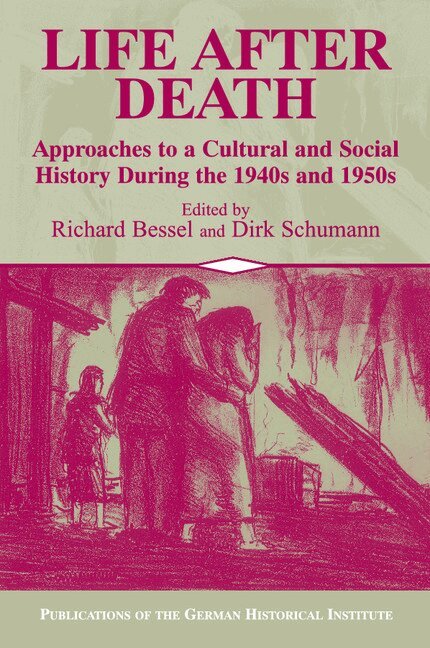
    Dirk Schumann is Professor of History at Georg-August University, Göttingen. He is the co-editor of Life After Death (2003), Violence and Society after the First World War (first issue of Journal of Modern European History [2003]), Between Mass Death and Individual Loss (2007). Most recently, he has edited Raising Citizens in the "Century of the Child". The United States and German Central Europe in Comparative Perspective (2010).

    Recensioner i media

    “In his exceptional regional study of the Prussian province of Saxony, Schumann offers a richly detailed analysis of political violence in the Weimar Republic…This is a wordy but methodical and ultimately convincing work of scholarship.” • Choice“In noting that political violence was the product of choices made by political actors rather than the result of irresistible forces …Schumann issues a pertinent warning while making a first-rate contribution to the scholarly literature on the Weimar Republic.” • Central European History“Today’s readers, living in what Charles Maier calls ‘a new epoch of vanished reassurance’, will find this book absorbing and troubling.” • The Historian“[A[ well-documented and skillfully argued book.” • German Studies Review“Schumann … calls into question some assumptions, provides interesting nuances, and helps to refine our understanding of the nature of political violence in Weimar Germany.” • Journal of Modern History“… provides a well-documented, solid narrative and challenging analysis of Weimar’s political violence…” • American Historical Review“[This] definitive work, rich in source material and analysis, dispels stereotypes of political violence in the Weimar Republic.” • Historische Zeitschrift

    Innehållsförteckning

    • PrefaceList of Illustrations and TablesList of AbbreviationsNote on the administrative structure of PrussiaIntroductionPART I: THE CIRCUMSCRIBED CIVIL WAR 1919-1921Chapter 1. Radicalization and Violence 1919Chapter 2. New Mistrust, Old Enemies: The Massive Experience of Violence during the Kapp Putsch of 1920 and its AftermathChapter 3. Preventive Offense and Improvised Uprising: the “March Action” of the Prussian Government and the Communists 1921PART II: SYMBOLIC FIGHTING AND THE STRUGGLE FOR TERRITORY 1921-1923Chapter 4. The Political Murders of 1921/1922 and their Consequences in the Province of SaxonyChapter 5. The Catastrophe that did not Happen: Food Protests and Political Violence under Hyperinflation 1922/1923PART III: YEARS OF CALM? POLITICAL VIOLENCE 1924-1929Chapter 6. The Rise of the Combat Leagues (Wehrverbände)Chapter 7. The Continuity of ViolenceChapter 8. A Parade of Men. Violence in the Political CulturePART IV: THE ESCALATION OF VIOLENCE: 1929/30-1933Chapter 9. The Rise of the Nazi Movement and the Persistent Weakness of the CommunistsChapter 10. Escalation without Limits? Political Violence in the Final Phase of the Weimar RepublicChapter 11. Misjudgment, Downplaying, Approval: Interpretations of Political Violence 1930-1933Conclusion: Political Violence and the Weimar Republic’s Chances of SurvivalBibliographySubject IndexIndex of People and Places