• Fri frakt över 249 kr
  • •
  • Snabba leveranser
  • •
  • Billiga böcker
Kundservice

Du är på sajten för privatpersoner.

Företag, bibliotek eller offentlig verksamhet?

Du handlar på classic.bokus.com, där alla dina funktioner finns intakta.
Till classic.bokus.com
Bokus logotyp. Gå till startsidan.
  • Erbjudanden
  • Student
  • Topplistor
  • Barn & ungdom
  • Bokus Play
  • E-böcker
  • Ljudböcker
  • Pocketböcker
  • Spel och pussel

Pocketfynda! Hundratals böcker för 49 kr/st →

Sidfot

Mina sidor

    Hjälp

    • Kundservice
    • Vanliga frågor och svar
    • Frakt och leverans
    • Retur vid ångerrätt
    • Reklamera vara
    • Betalning
    • Köpvillkor
    • Allmänna villkor
    • Information om webbplatsens tillgänglighet

    Om Bokus

    • Om oss
    • Pressrum
    • För studenter
    • För företag
    • För bibliotek och offentlig verksamhet
    • För leverantörer
    • Hållbarhet

    Populärt

    • Aktuella erbjudanden
    • Presentkort
    • Studentlitteratur
    • Nya böcker
    • Topplistor
    • Signerade böcker
    • Engelska böcker

    Inspiration

    • Boktips
    • BookTok
    • Barnbokskaraktärer
    • Populära författare
    Logotyp för Bokus
    Följ oss på Facebook (extern länk)Följ oss på Instagram (extern länk)Följ oss på YouTube (extern länk)Följ oss på TikTok (extern länk)
    bokus @ CookiesAnpassa cookiesIntegritetspolicyKöpvillkor
    Till Citymail hemsida (extern länk)Till Budbee hemsida (extern länk)Till Postnord hemsida (extern länk)Till Schenker hemsida (extern länk)Till Early Bird hemsida (extern länk)Till Walleys hemsida (extern länk)
    1. Samhälle och politik
    2. Politik och statsskick
    3. Statsskick och politiska processer
    4. Konstitution: stat och regering

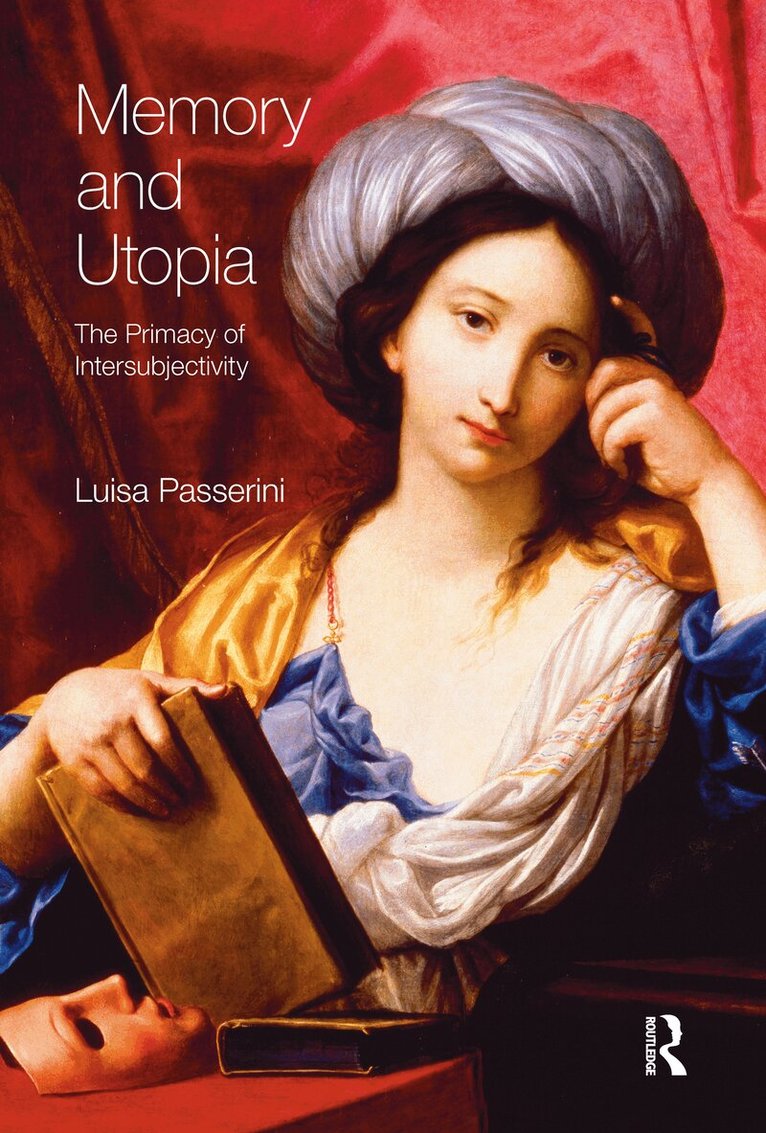
    Memory and Utopia

    The Primacy of Inter-Subjectivity

    AvLuisa Passerini

    Inbunden, Engelska, 2005

    2 410 kr

    Beställningsvara. Skickas inom 10-15 vardagar. Fri frakt över 249 kr.

    Fler format och utgåvor

    E-bok

    743 kr

    E-bok

    723 kr

    Häftad

    608 kr

    Beskrivning

    'Memory and Utopia' looks at the connection between memory and forgetfulness in Europe during the twentieth century. Drawing on oral history and feminist theory and practice, the book highlights how women struggled to be recognized as full subjects. The themes of utopia and desire in the 1968 movements of students, women and workers are explored. 'Memory and Utopia' examines the sense of belonging to Europe that has emerged in the last twenty years. The book analyses European identity as expressed through identities based on gender, age and culture to explore an inclusive and non-hierarchical subjectivity.

    Produktinformation

    • Utgivningsdatum:2005-09-01
    • Mått:156 x 234 x 15 mm
    • Vikt:362 g
    • Format:Inbunden
    • Språk:Engelska
    • Antal sidor:192
    • Förlag:Taylor & Francis Ltd
    • ISBN:9781845530259

    Utforska kategorier

    • Konstitution: stat och regering inom Samhälle och politik

    Mer om författaren

    Luisa Passerini, recipient of the 2002-2004 Research Prize of the Land of Nordrhein-Westfalen, is Director of the research group "Europe: Emotions, Identities, Politics" at the Kulturwissenschaftliches Institut, Essen, Professor of Cultural History at the University of Turin and External Professor of History of the Twentieth Century at the European University Institut, Florence. Among her recent publications are Europe in Love, Love in Europe: Imagination and Politics in Britain between the Wars (IB Tauris, London 1999 and New York Univeristy Press, 2000), Memoria e utopia: Il primato dell'intersoggettivita (Bollati-Boringhieri, Torino 2003) and Figures d'Europe: Images and Myths of Europe (Peter Lang-Presses Inter-universitaries Europeennes, Bruxelles 2003).

    Innehållsförteckning

    • Introduction: The Primacy of Inter-Subjectivity Part I: The Past, and Historical Research. 1. Memories Between Silence and Oblivion 2. Becoming a Subject in the Time of the Death of the Subject 3. "Utopia" and Desire Part II: The Present, and the Sense of Belonging 4. From the ironies of identity to the identities of irony 5. The Last Identification: Why Some of Us Would Like to Call Ourselves Europeans and What We Mean by This