• Fri frakt över 249 kr
  • •
  • Snabba leveranser
  • •
  • Billiga böcker
Kundservice

Du är på sajten för privatpersoner.

Företag, bibliotek eller offentlig verksamhet?

Du handlar på classic.bokus.com, där alla dina funktioner finns intakta.
Till classic.bokus.com
Bokus logotyp. Gå till startsidan.
  • Erbjudanden
  • Nyheter
  • Student
  • Topplistor
  • Barn & ungdom
  • Bokus Play
  • E-böcker
  • Pocketböcker
  • Spel & pussel

10% rabatt på allt med kod NYSTART10 →

Sidfot

Mina sidor

    Hjälp

    • Kundservice
    • Vanliga frågor och svar
    • Frakt och leverans
    • Retur vid ångerrätt
    • Reklamera vara
    • Betalning
    • Köpvillkor
    • Allmänna villkor
    • Information om webbplatsens tillgänglighet

    Om Bokus

    • Om oss
    • Pressrum
    • För studenter
    • För företag
    • För bibliotek och offentlig verksamhet
    • För leverantörer
    • Hållbarhet

    Populärt

    • Aktuella erbjudanden
    • Presentkort
    • Studentlitteratur
    • Nya böcker
    • Topplistor
    • Signerade böcker
    • Engelska böcker

    Inspiration

    • Boktips
    • BookTok
    • Populära bokserier
    • Barnbokskaraktärer
    • Populära författare
    Logotyp för Bokus
    Följ oss på Facebook (extern länk)Följ oss på Instagram (extern länk)Följ oss på YouTube (extern länk)Följ oss på TikTok (extern länk)
    bokus @ CookiesAnpassa cookiesIntegritetspolicyKöpvillkor
    Till Citymail hemsida (extern länk)Till Budbee hemsida (extern länk)Till Postnord hemsida (extern länk)Till Schenker hemsida (extern länk)Till Early Bird hemsida (extern länk)Till Walleys hemsida (extern länk)
    1. Psykologi och pedagogik
    2. Psykologi
    3. Biologisk psykologi och neuropsykologi

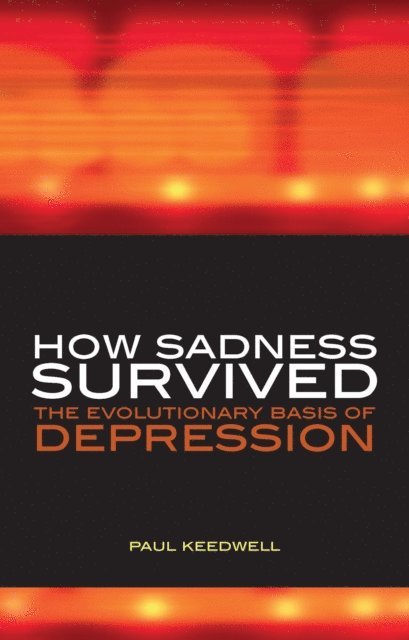
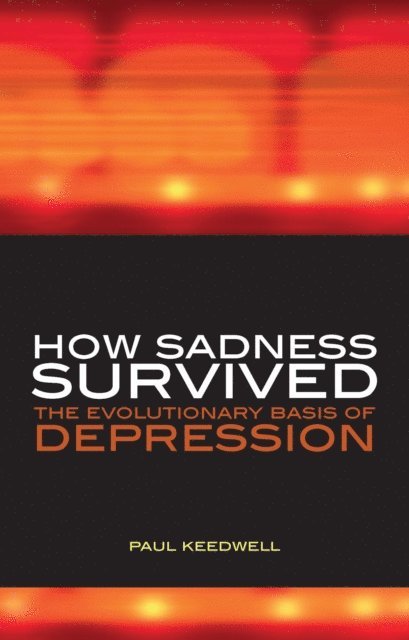
    How Sadness Survived

    The Evolutionary Basis of Depression

    AvPaul Keedwell,Philip Barker

    Häftad, Engelska, 2008

    362 kr

    Beställningsvara. Skickas inom 10-15 vardagar. Fri frakt över 249 kr.

    Beskrivning

    "What I am offering is a critical overview of ideas about depression, some new, some old, which fall under the discipline of 'evolutionary psychology'(EP). Do most types of depression represent an adaptation - an evolved mechanism which has improved our survival and reproductive value in our ancestral environment? Has depression been selected? Could it still be useful to us today? This book makes a contribution to the field while communicating the issues to a wider audience than EP currently receives and deserves. There are important implications for how we should prevent or treat an increasingly common condition, and how we might view the condition in a more constructive way." - Paul Keedwell, in the Preface.
    Produktinformation

    • Utgivningsdatum:2008-01-20
    • Mått:138 x 216 x 14 mm
    • Vikt:310 g
    • Format:Häftad
    • Språk:Engelska
    • Antal sidor:194
    • Förlag:Taylor & Francis Ltd
    • ISBN:9781846190131

    Utforska kategorier

    • Biologisk psykologi och neuropsykologi inom Psykologi och pedagogik
    • Barnpsykologi och utvecklingspsykologi inom Psykologi och pedagogik

    Mer om författaren

    Consultant Psychiatrist and Lecturer, Institute of Psychiatry, De Crespigny Park, London

    Recensioner i media

    'A well researched book that presents a strong case for depression being understood as potentially beneficial for psychological growth. This book will be particularly helpful to those working in medical environments.' KAREN MINIKIN, THERAPY TODAY 'Looks at how sufferers may experience long-term beneficial effects from this debilitating disease...Recommended.' CHOICE

    Innehållsförteckning

    • Genes, disease and depression: busting myths. Some important assumptions about depression. The war of depression: an ancient human condition or a modern malaise? Living on a boat. Why weepest thou? Is depression universal? Depression's place in the animal kingdom. Adaptation or fluff? What has depression ever done for us? Putting on the brakes. Taking stock (the vision quest). Beneficial by-products. Treating depression: new perspectives. The loss of depression's adaptive power? Should we treat depression?