• Fri frakt över 249 kr
  • •
  • Snabba leveranser
  • •
  • Billiga böcker
Kundservice

Du är på sajten för privatpersoner.

Företag, bibliotek eller offentlig verksamhet?

Du handlar på classic.bokus.com, där alla dina funktioner finns intakta.
Till classic.bokus.com
Bokus logotyp. Gå till startsidan.
  • Erbjudanden
  • Nyheter
  • Student
  • Topplistor
  • Barn & ungdom
  • Bokus Play
  • E-böcker
  • Pocketböcker
  • Spel & pussel

10% rabatt på allt med kod NYSTART10 →

Sidfot

Mina sidor

    Hjälp

    • Kundservice
    • Vanliga frågor och svar
    • Frakt och leverans
    • Retur vid ångerrätt
    • Reklamera vara
    • Betalning
    • Köpvillkor
    • Allmänna villkor
    • Information om webbplatsens tillgänglighet

    Om Bokus

    • Om oss
    • Pressrum
    • För studenter
    • För företag
    • För bibliotek och offentlig verksamhet
    • För leverantörer
    • Hållbarhet

    Populärt

    • Aktuella erbjudanden
    • Presentkort
    • Studentlitteratur
    • Nya böcker
    • Topplistor
    • Signerade böcker
    • Engelska böcker

    Inspiration

    • Boktips
    • BookTok
    • Populära bokserier
    • Barnbokskaraktärer
    • Populära författare
    Logotyp för Bokus
    Följ oss på Facebook (extern länk)Följ oss på Instagram (extern länk)Följ oss på YouTube (extern länk)Följ oss på TikTok (extern länk)
    bokus @ CookiesAnpassa cookiesIntegritetspolicyKöpvillkor
    Till Citymail hemsida (extern länk)Till Budbee hemsida (extern länk)Till Postnord hemsida (extern länk)Till Schenker hemsida (extern länk)Till Early Bird hemsida (extern länk)Till Walleys hemsida (extern länk)
    1. Historia och arkeologi
    2. Historia
    3. Europas historia

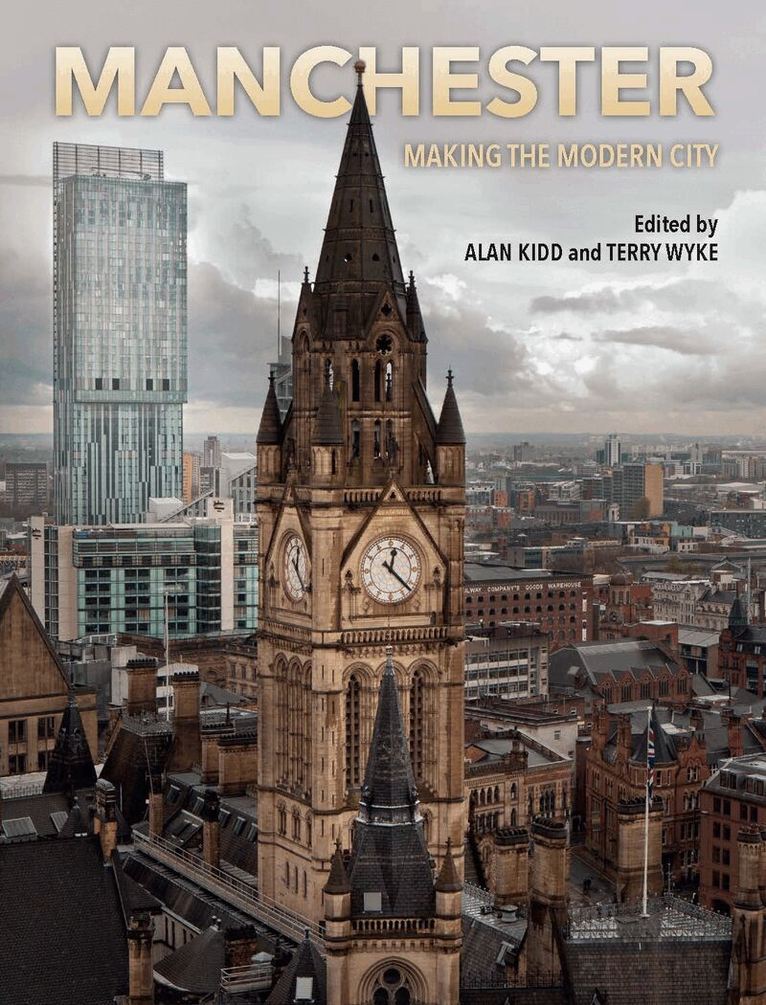
    Manchester

    Making the Modern City

    AvAlan Kidd,Terry Wyke

    Häftad, Engelska, 2016

    378 kr

    Beställningsvara. Skickas inom 5-8 vardagar. Fri frakt över 249 kr.

    Beskrivning

    Every town and city has its story, but few have a history that is essential to understanding how the modern world was made. Manchester was the first industrial city and arguably the first modern city. During the industrial revolution it became the centre of the world's trade in cotton goods, so associated with that product that it was known as ‘Cottonopolis’. In the nineteenth century Manchester was recognised across the globe as a symbol of industrialism and modernity. It was one of those iconic cities that came to stand for something more than itself. Its global reach stretched beyond industrialism as such and encompassed the political and economic ideas that the industrial revolution spawned. Manchester was simultaneously the home of the capitalist ideology of Free Trade (famously naming its chief public building in honour of this idea) and the place where Marx and Engels plotted the communist revolution. The history of modern Manchester opens doors to an understanding of how science helped shape the modern world from the discoveries of Dalton and Joule to Rutherford’s splitting of the atom, the first stored-program computer and the invention of graphene. But Manchester has also been home to sporting and cultural achievements from the prowess of its football teams to its media presence in television. The city has been the venue for the expression of numerous voices of protest and affirmation from the Peterloo demonstrators in 1819 to the Suffragettes nearly a century later and the Gay protests of more recent times. It has always been a cosmopolitan city with a lively mix of ethnic groups that has added celebration and tension to its cultural and social life. Over time the population growth in and around Manchester generated an urban sprawl that became a city region. ‘Greater Manchester’ has been a reality for over a century and along with Greater London is the only metropolitan region to be named after its core city. As the industrial base on which the city and region had depended for two centuries collapsed in the later twentieth century the city had to take a new path. This it has done with remarkable success and twenty-first century Manchester is recognised as the post-industrial city that has been most successful in reinventing itself. Appreciating how this has happened is as much a key to understanding Manchester as is knowledge of its past greatness. Written by leading experts on the history of the city and with numerous insights and unexpected stories, this profusely illustrated book is essential for an understanding of what Manchester has been and what it can become.

    Produktinformation

    • Utgivningsdatum:2016-06-03
    • Mått:189 x 246 x 31 mm
    • Vikt:1 618 g
    • Format:Häftad
    • Språk:Engelska
    • Antal sidor:400
    • Förlag:Liverpool University Press
    • ISBN:9781846318788

    Utforska kategorier

    • Europas historia inom Historia och arkeologi
    • Industrialismen och industrihistoria inom Historia och arkeologi

    Mer om författaren

    Alan Kidd is Emeritus Professor of Social & Regional History, Manchester Metropolitan University. Terry Wyke is Senior Lecturer in Social & Economic History, Manchester Metropolitan University.

    Recensioner i media

    'Building on their previous forays into Manchester’s past, editors Alan Kidd and Terry Wyke have produced perhaps the definitive historical compendium to the city [...] this is a beautiful book, with an impressive array of illustrations that are as illuminating as they are aesthetically pleasing. [...] By framing modernity as an ongoing and responsive process, the collection sheds light on the city’s history, its present-day identity, and its potential future direction. This edited volume then is a rare thing: a textbook that serves as a thorough guide to its subject and also sustains a central, coherent argument about the nature of modern cities.' Dr Nathan Booth, Transactions of the Historic Society of Lancashire & Cheshire

    Innehållsförteckning

    • Introduction: Making the Modern City, Alan Kidd & Terry WykeChapter 1: Roots of Industrial Revolution, Geoff TimminsChapter 2: Rise and Decline of Cottonopolis, Terry WykeChapter 3: Science, Technology and Medicine, James SumnerChapter 4: Voices of the People, Michael E. RoseChapter 5: A Cosmopolitan City, Mervyn BusteedChapter 6: Culture, Media and Sport, Dave Russell Chapter 7: Township to Metropolis: Suburbs and the shaping of the modern city, Alan KiddChapter 8: The Resurgent Entrepreneurial City, Brian Robson