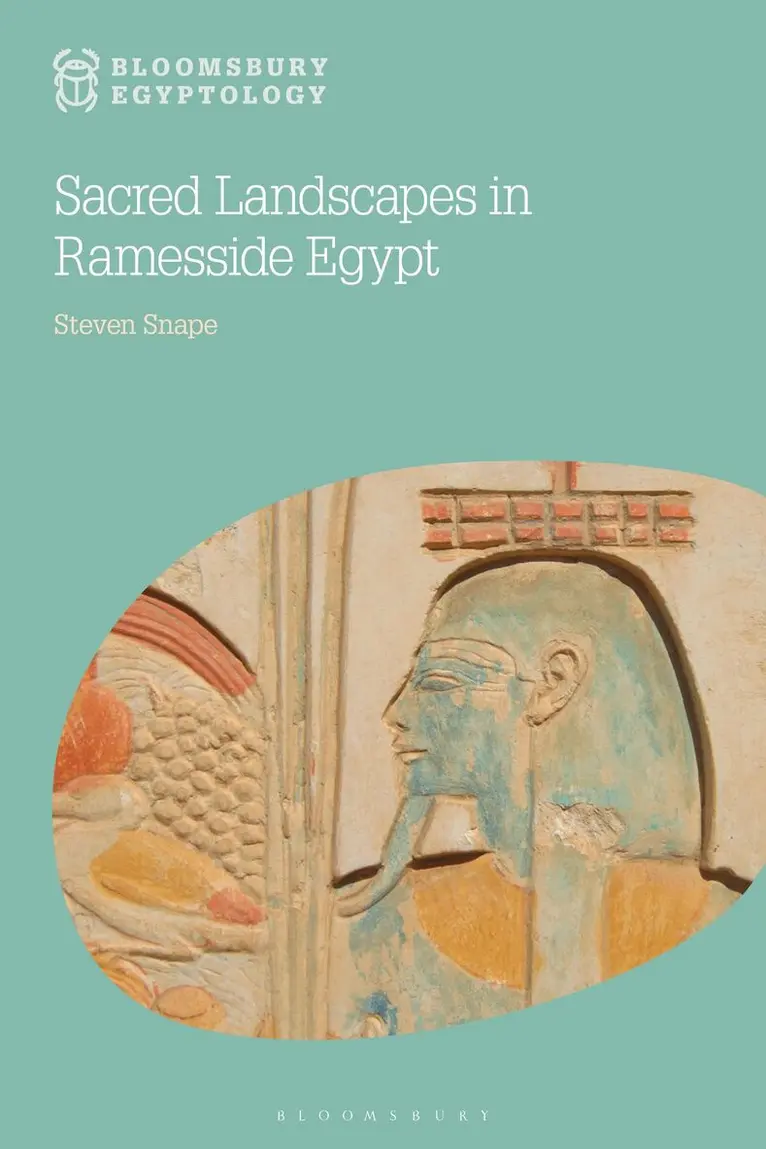
Inbunden, Engelska, 2027
Sacred Landscapes in Ramesside Egypt
Av Steven Snape
Del i serien Bloomsbury Egyptology
435 kr
Kommande
Beskrivning
Produktinformation
- Utgivningsdatum: 2027-01-21
- Mått: 156 x 234 x 14 mm
- Vikt: 381 g
- Format: Inbunden
- Språk: Engelska
- Serie: Bloomsbury Egyptology
- Antal sidor: 256
- Förlag: Bloomsbury Publishing PLC
- ISBN: 9781847251459
Utforska kategorier
Mer om författaren
Steven Snape is Honorary Professor of Egyptian Archaeology in the School of Archaeology, Classics and Egyptology at the University of Liverpool, UK.
Recensioner i media
While the term "Landscape archaeology” is a relatively recent term, archaeologists have been contextualizing monuments in landscapes, in practical terms as well as religious and symbolic, from the late 19th century onward. Egypt has more than its fair share of monumental architecture and Snape’s work addresses the issue of sacred landscapes or monument-scapes in Egypt, focusing on the Ramesside period masterfully. He explores key sites that were the foundation for Egyptian ideas of kingship, creation and state religion: Abydos, Thebes and Heliopolis, as well as a host of others, including those in the Eastern and Western deserts. His work not only explores the position of the royal and elite monuments in the landscape, but also examines the words of the ancient Egyptians themselves that explained their locations and foundations. Extremely readable, filled with information, and some delightfully novel ideas, this book elucidates the raison d’être for the location and character of a host of ancient Egyptian monuments and engenders a desire to see them in situ to explore their positioning further.
Betyg & recensioner
0 recensioner
Inga recensioner tillgängliga.