
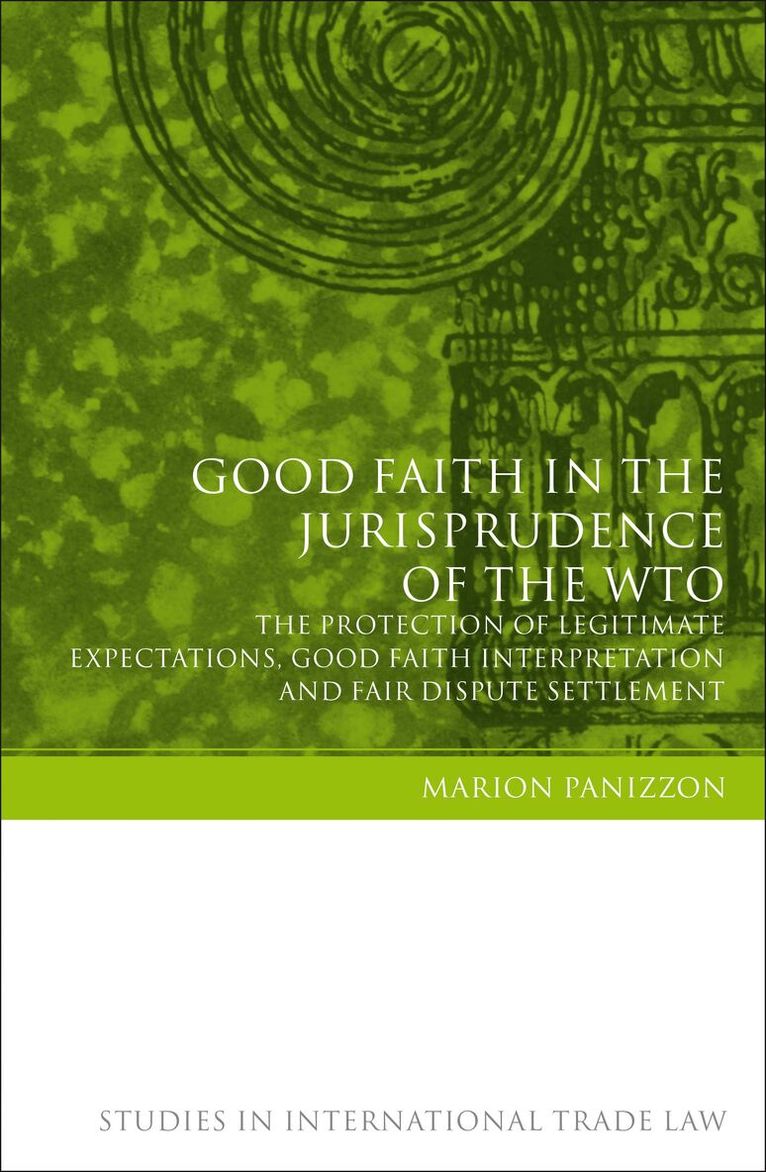
Good Faith in the Jurisprudence of the WTO
The Protection of Legitimate Expectations, Good Faith Interpretation and Fair Dispute Settlement
E-bok
PDF, Engelska, 2006Del i serien Studies in International Trade and Investment Law
1 964 kr
Läs direkt i Bokus Reader – eller ladda ned till din enhet (PDF kräver ofta zoom och scroll på små skärmar).
Fler format och utgåvor
Beskrivning
What does the concept of good faith express? This book is the first to discuss what good faith means in international trade law. As a reference guide for scholars and practitioners it analyses the case law of WTO dispute settlement practice.
The book describes how, why and when the concept of good faith links the WTO Agreements with other public international norms. The concept of good faith appears frequently in treaties and customary rules, but is most often considered a general principle of law. WTO law uses the corrolaries of pacta sunt servanda, the prohibition of abus de droit and the protection of legitimate expectation alongside the principle of good faith.
An analysis of GATT 1947 and WTO case law reveals that the function of good faith varies. The Panel reports and the Appellate Body decisions make different use of it. The Appellate Body is prepared to apply the principle to WTO provisions only, while Panels use it more freely and substantively; that is, they apply good faith to fill lacunae in any of the WTO covered agreements.
Also, adjudicators use the principle differently, depending on whether it relates to the agreements covered by the WTO or the procedural law of WTO dispute settlement. As it applies to the former, good faith is used to strike a balance between, on the one hand, the obligation to liberalise trade, and on the other hand, the right to invoke an exception to trade liberalisation for the protection of the environment, culture, public morals, human life or health. In this way, good faith safeguards the gains of multilateral trade liberalisation against unlawful interests such as disguised protectionism.
The book also introduces the novel field of WTO procedural law governing trade dispute litigation. In the Dispute Settlement Understanding (DSU), good faith appears in the standard of review, rules of evidence and fact-finding, standing, duty of prior consultation, right of establishment of a panel, ex officio investigations, withdrawal of notices of appeal, and the raising of objections. In all these areas it ensures that the rules of dispute resolution are not abused. The Appellate Body has even gone so far as to derive a new standard from the principle of good faith that demands that disputes are settled fairly, promptly and effectively.
Insights into good faith in WTO law are not only important for trade law professionals. Current applications and future operations of the principle are likely to be of strategic value for answering the increasingly pressing question of how WTO law and other international agreements ought to be reconciled.
The book describes how, why and when the concept of good faith links the WTO Agreements with other public international norms. The concept of good faith appears frequently in treaties and customary rules, but is most often considered a general principle of law. WTO law uses the corrolaries of pacta sunt servanda, the prohibition of abus de droit and the protection of legitimate expectation alongside the principle of good faith.
An analysis of GATT 1947 and WTO case law reveals that the function of good faith varies. The Panel reports and the Appellate Body decisions make different use of it. The Appellate Body is prepared to apply the principle to WTO provisions only, while Panels use it more freely and substantively; that is, they apply good faith to fill lacunae in any of the WTO covered agreements.
Also, adjudicators use the principle differently, depending on whether it relates to the agreements covered by the WTO or the procedural law of WTO dispute settlement. As it applies to the former, good faith is used to strike a balance between, on the one hand, the obligation to liberalise trade, and on the other hand, the right to invoke an exception to trade liberalisation for the protection of the environment, culture, public morals, human life or health. In this way, good faith safeguards the gains of multilateral trade liberalisation against unlawful interests such as disguised protectionism.
The book also introduces the novel field of WTO procedural law governing trade dispute litigation. In the Dispute Settlement Understanding (DSU), good faith appears in the standard of review, rules of evidence and fact-finding, standing, duty of prior consultation, right of establishment of a panel, ex officio investigations, withdrawal of notices of appeal, and the raising of objections. In all these areas it ensures that the rules of dispute resolution are not abused. The Appellate Body has even gone so far as to derive a new standard from the principle of good faith that demands that disputes are settled fairly, promptly and effectively.
Insights into good faith in WTO law are not only important for trade law professionals. Current applications and future operations of the principle are likely to be of strategic value for answering the increasingly pressing question of how WTO law and other international agreements ought to be reconciled.
Produktinformation
Utforska kategorier
Hoppa över listan
Mer från samma författare
Intellectual Property
Marion Panizzon, Petros Constantinos Mavroidis, Thomas Cottier
E-bok
20101 534 kr
GATS and the Regulation of International Trade in Services
Marion Panizzon, Nicole Pohl, Pierre Sauvé
Inbunden, 2008
1 348 kr
Del 44
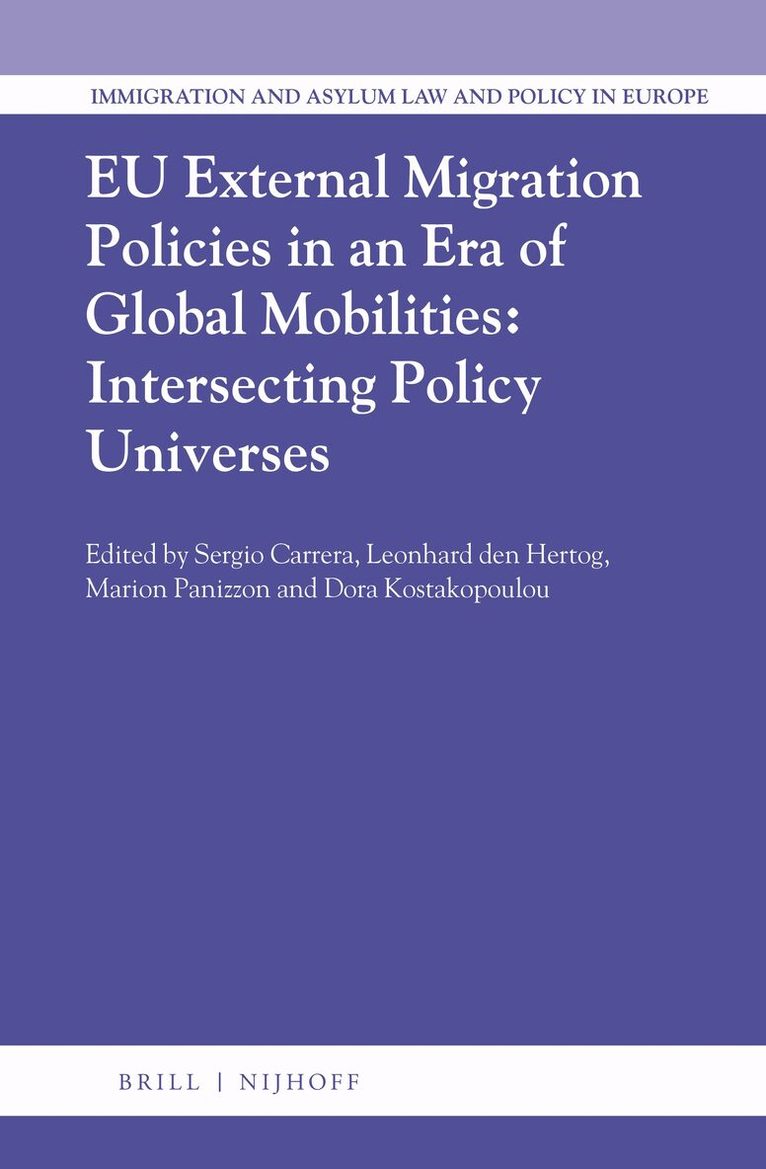
EU External Migration Policies in an Era of Global Mobilities: Intersecting Policy Universes
Sergio Carrera, Arie Pieter Leonhard den Hertog, Marion Panizzon, Dora Kostakopoulou
Inbunden, 2018
3 182 kr
Hoppa över listan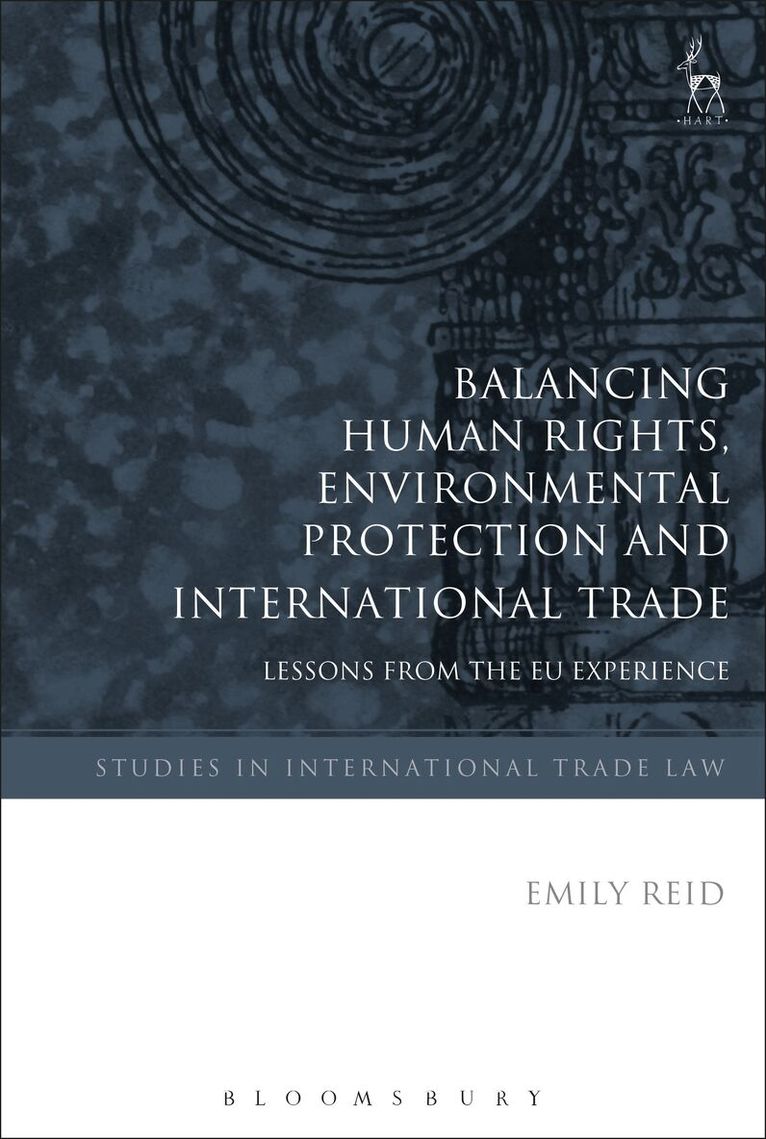
Mer från samma serie
Balancing Human Rights, Environmental Protection and International Trade
Emily Reid, Gabrielle Marceau
Häftad, 2017
389 kr
Hoppa över listan

Du kanske också är intresserad av
- 10% rabatt på allt
GATS and the Regulation of International Trade in Services
Marion Panizzon, Nicole Pohl, Pierre Sauvé
Inbunden, 2008
1 348 kr
Del 44
EU External Migration Policies in an Era of Global Mobilities: Intersecting Policy Universes
Sergio Carrera, Arie Pieter Leonhard den Hertog, Marion Panizzon, Dora Kostakopoulou
Inbunden, 2018
3 182 kr
Intellectual Property
Marion Panizzon, Petros Constantinos Mavroidis, Thomas Cottier
E-bok
20101 534 kr
- 10% rabatt på allt
Del 11