• Fri frakt över 249 kr
  • •
  • Snabba leveranser
  • •
  • Billiga böcker
Kundservice

Du är på sajten för privatpersoner.

Företag, bibliotek eller offentlig verksamhet?

Du handlar på classic.bokus.com, där alla dina funktioner finns intakta.
Till classic.bokus.com
Bokus logotyp. Gå till startsidan.
  • Erbjudanden
  • Nyheter
  • Student
  • Topplistor
  • Barn & ungdom
  • Bokus Play
  • E-böcker
  • Pocketböcker
  • Spel & pussel

10% rabatt på allt med kod: NYSTART10 →

Sidfot

Mina sidor

    Hjälp

    • Kundservice
    • Vanliga frågor och svar
    • Frakt och leverans
    • Retur vid ångerrätt
    • Reklamera vara
    • Betalning
    • Köpvillkor
    • Allmänna villkor
    • Information om webbplatsens tillgänglighet

    Om Bokus

    • Om oss
    • Pressrum
    • För studenter
    • För företag
    • För bibliotek och offentlig verksamhet
    • För leverantörer
    • Hållbarhet

    Populärt

    • Aktuella erbjudanden
    • Presentkort
    • Studentlitteratur
    • Nya böcker
    • Topplistor
    • Signerade böcker
    • Engelska böcker

    Inspiration

    • Boktips
    • BookTok
    • Populära bokserier
    • Barnbokskaraktärer
    • Populära författare
    Logotyp för Bokus
    Följ oss på Facebook (extern länk)Följ oss på Instagram (extern länk)Följ oss på YouTube (extern länk)Följ oss på TikTok (extern länk)
    bokus @ CookiesAnpassa cookiesIntegritetspolicyKöpvillkor
    Till Citymail hemsida (extern länk)Till Budbee hemsida (extern länk)Till Postnord hemsida (extern länk)Till Schenker hemsida (extern länk)Till Early Bird hemsida (extern länk)Till Walleys hemsida (extern länk)
    1. Historia och arkeologi
    2. Historia
    3. Europas historia

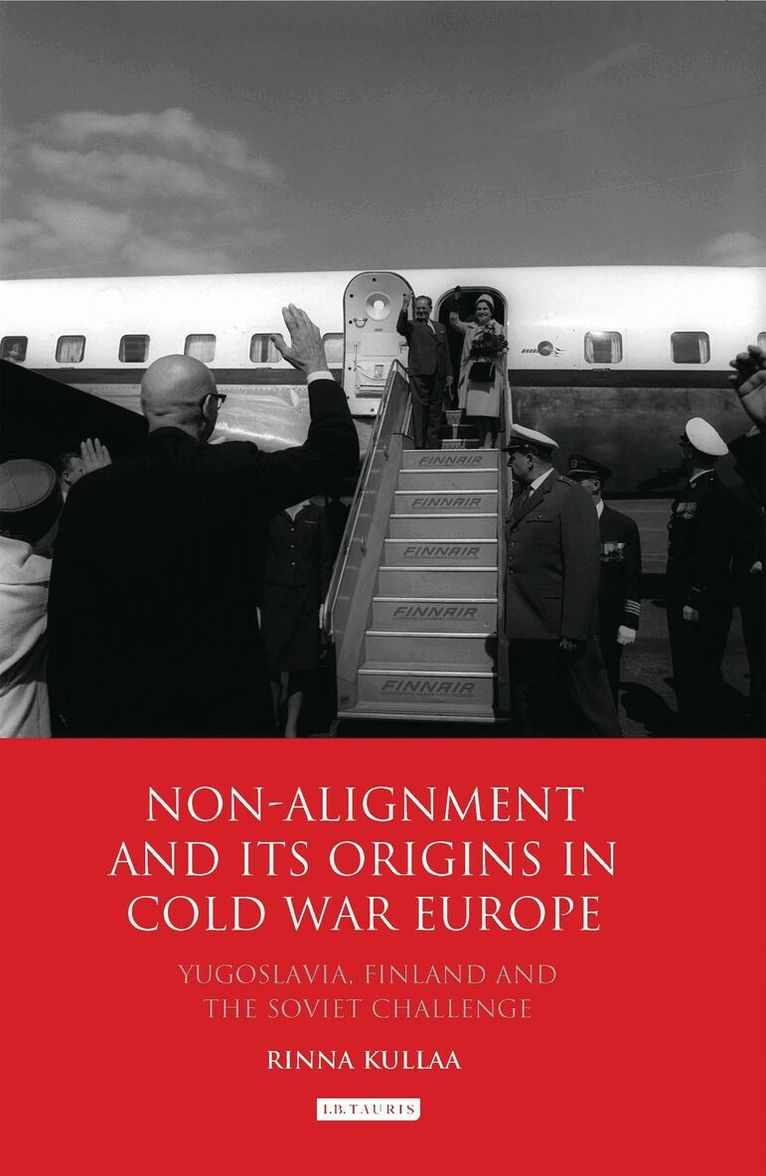
    Non-alignment and Its Origins in Cold War Europe

    Yugoslavia, Finland and the Soviet Challenge

    AvRinna Kullaa

    Inbunden, Engelska, 2012

    1 865 kr

    Beställningsvara. Skickas inom 10-15 vardagar. Fri frakt över 249 kr.

    Fler format och utgåvor

    E-bok

    529 kr

    Häftad

    493 kr

    Beskrivning

    After World War II, Europe stood divided between two clearly defined and competing ideologies and systems of government. Within this context of confrontation and mutual hostility between the United States and the Soviet Union, Rinna Kullaa provides a unique analysis of the attempts of two European states to successfully avoid absorption into the Soviet bloc. This book explores the relations of Yugoslavia and Finland both with the Soviet Union, and with each other, as they strove to preserve and create their independence. Whilst at first attempting the neutralism strategy employed by Finland, in the face of Soviet hostility, Tito's Yugoslavia instead led the way to the founding of the Non-Aligned Movement in 1961. Kullaa's crucial analysis of the formative period of the Cold War will be of vital interest to students and researchers of International Relations, European History, the Cold War and diplomacy.

    Produktinformation

    • Utgivningsdatum:2012-03-13
    • Mått:138 x 216 x 17 mm
    • Vikt:428 g
    • Format:Inbunden
    • Språk:Engelska
    • Antal sidor:240
    • Förlag:Bloomsbury Publishing PLC
    • ISBN:9781848856240

    Utforska kategorier

    • Europas historia inom Historia och arkeologi
    • Kalla krig och ombudskrig inom Historia och arkeologi

    Mer om författaren

    Rinna Kullaa is Postdoctoral Fellow at the European Studies Institute and the Harriman Institute for Russian, Eurasian and Eastern European at Columbia University. She holds a PhD in European History from the University of Maryland and an MPhil in Russian and Eastern European Studies from the University of Oxford.

    Recensioner i media

    The evolution and development of Finland and Yugoslavia after the Second World War are interesting but neglected phenomena. Both emerged from the Second World War in the shadow of the Soviet Union but both plotted a cautious and ultimately successful path to independence. Their success in doing so was an essential condition for the emergence of the non-aligned movement. This process has been neglected in western scholarship. Rinna Kullaa has made good this deficiency by providing a fascinating and important analysis of how the two states survived and of how their unique form of mutual support enabled them to do so. Richard J. Crampton, Professor Emeritus of East European History, University of Oxford 'Rinna Kullaa's work offers a detailed insight into the history of neutralism as a foreign policy alternative, rendering it accessible to students who may be unfamiliar with it. This book is a good introduction to the study of alternative foreign policies to students and professional readers of international relations, political science, modern history or economics. This worthy treatment seems set to become the standard account of the Non-Aligned Movement. The particular contribution of this piece of creative and well-research history of international relations is its ability to transcend the previously set analytical division of Western and Eastern Europe, the Nordic sphere and the Mediterranean. I am convinced that this book will become essential reading for students to obtain a balanced account of history of diplomatic relations in Cold War Europe.' Milica Uvalic, Professor, Faculty of Political Sciences, University of Perugia, Italy

    Innehållsförteckning

    • 1. Introduction2. 1948 - The Soviet Test for Yugoslavia and the Tito-Stalin Split3. 1948 - The Soviet Test for Finland and the Compromise on Neutralism4. The Death of Stalin and the Beginning of a Beautiful Yugoslav-Finnish Friendship5. Surviving Hungary 1956: Khrushchev, Tito and Yugoslav-Finnish Neutralism6. Freezing out Finland and Yugoslavia: The Soviet Rifts of 1957-19587. Conclusion and Afterword: From Neutralism to Non-Alignment