
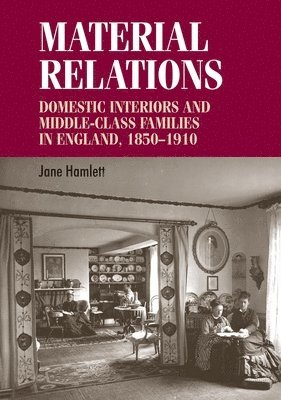
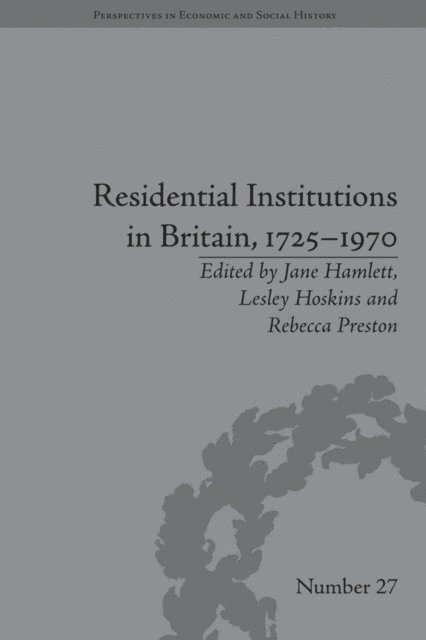
Residential Institutions in Britain, 1725–1970
Inmates and Environments
2 547 kr
Beställningsvara. Skickas inom 10-15 vardagar. Fri frakt över 249 kr.
Fler format och utgåvor
Beskrivning
The essays in this collection explore both organizational intentions and inhabitants' experiences in a diverse range of British residential institutions during a period when such provision was dramatically increasing.
Produktinformation
Utforska kategorier
Mer om författaren
Recensioner i media
Innehållsförteckning
Hoppa över listan
Mer från samma författare
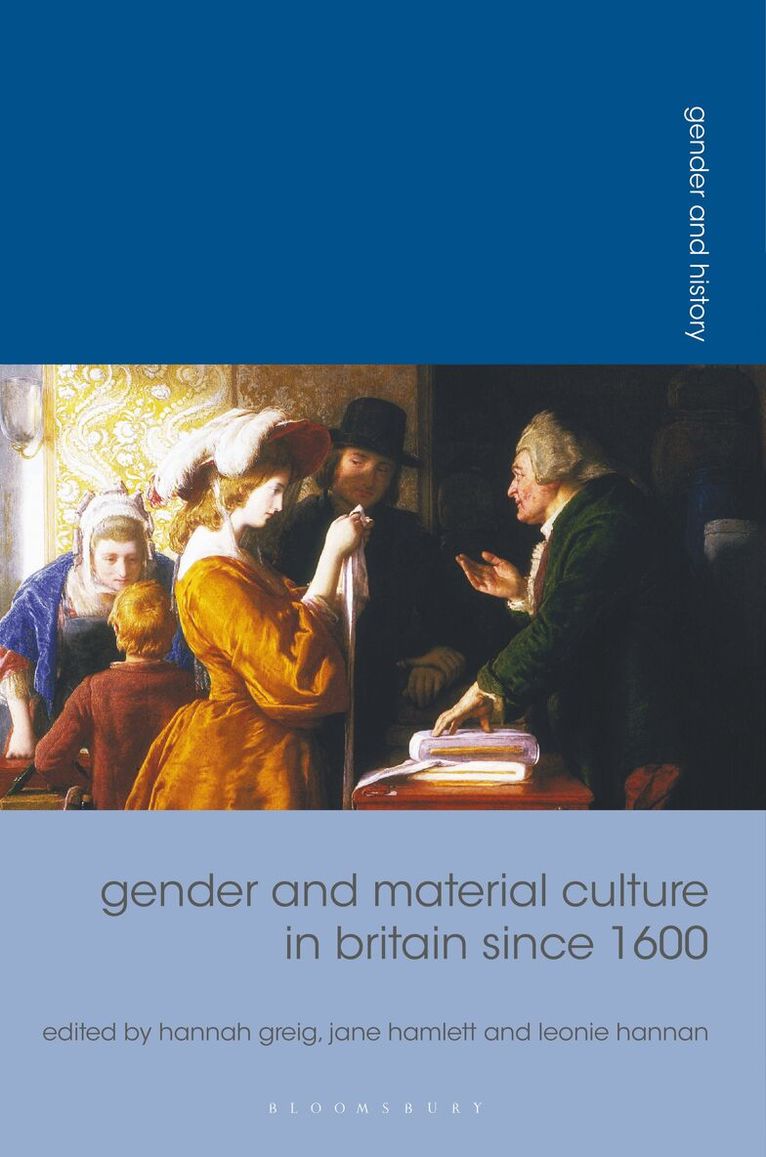
Gender and Material Culture in Britain since 1600
Jane Hamlett, Hannah Greig, Leonie Hannan
Häftad, 2015
494 kr
Gender and Material Culture in Britain since 1600
Jane Hamlett, Hannah Greig, Leonie Hannan
E-bok
2019534 kr
Hoppa över listan


Mer från samma serie
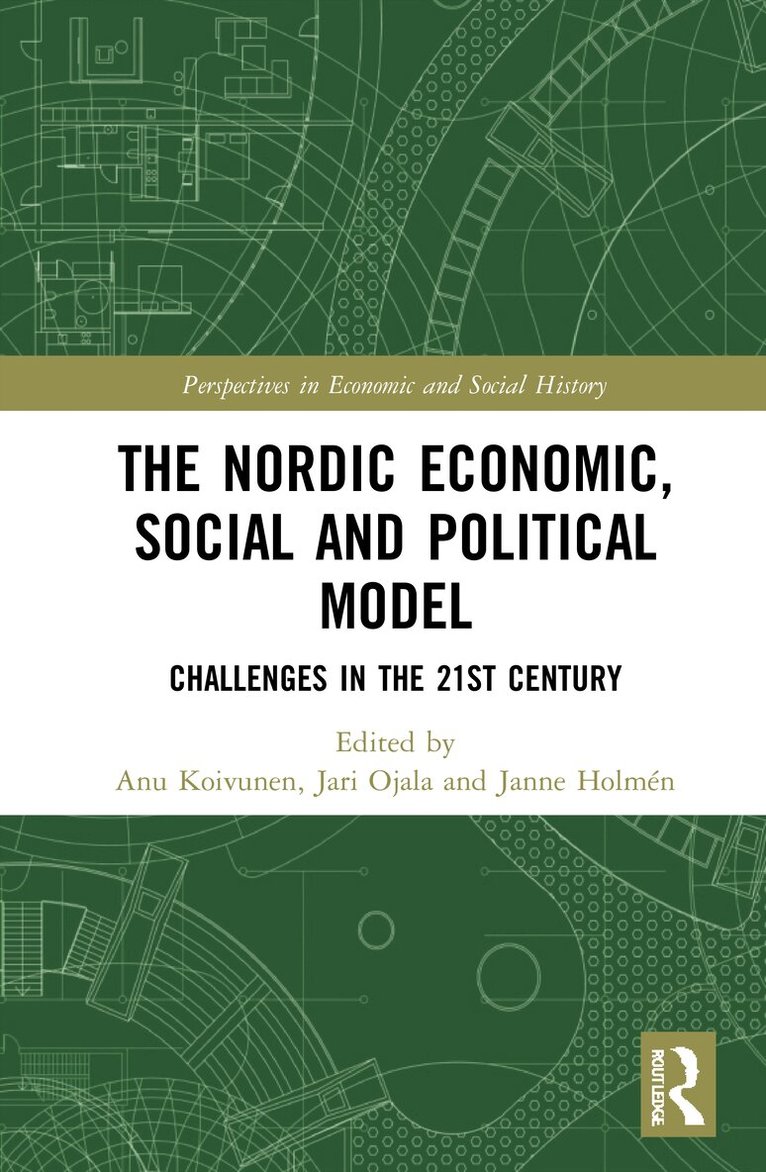
Nordic Economic, Social and Political Model
Anu Koivunen, Jari Ojala, Janne Holmén
Inbunden, 2021
2 547 kr
History of States and Economic Policies in Early Modern Europe
Silvia A. Conca Messina
Inbunden, 2019
2 783 kr
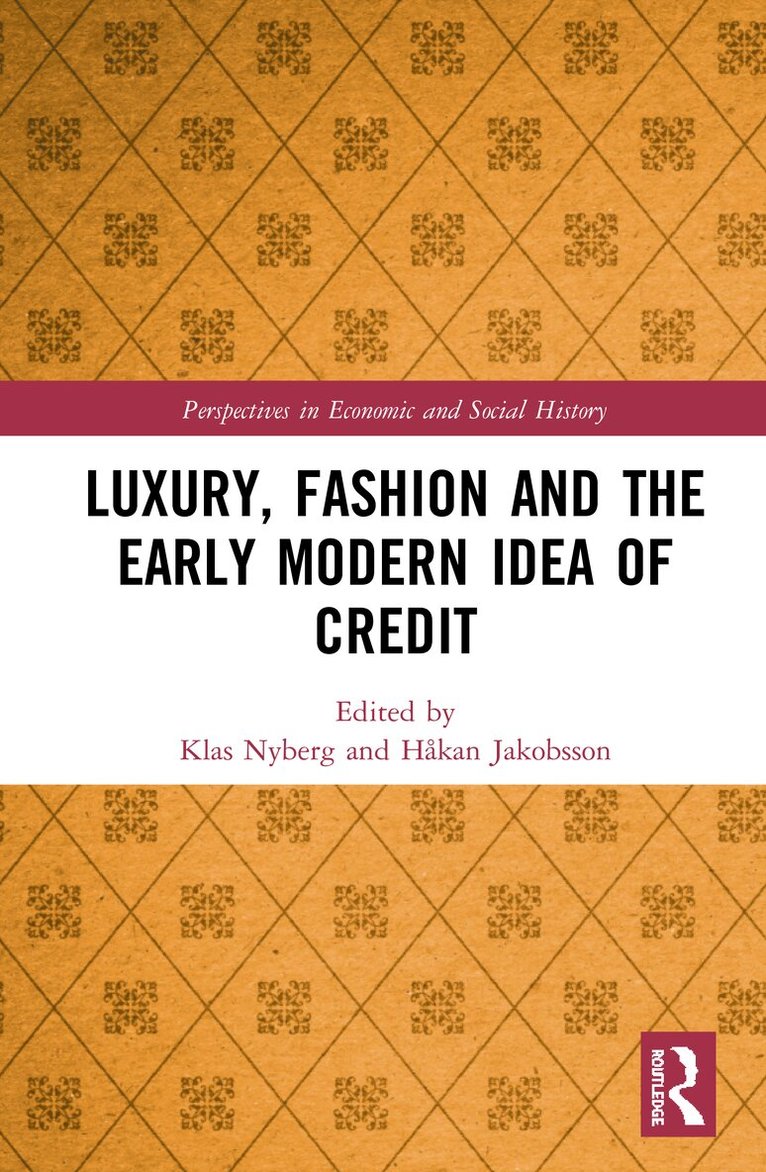
Luxury, Fashion and the Early Modern Idea of Credit
Klas Nyberg, Håkan Jakobsson
Inbunden, 2020
2 783 kr
Hoppa över listan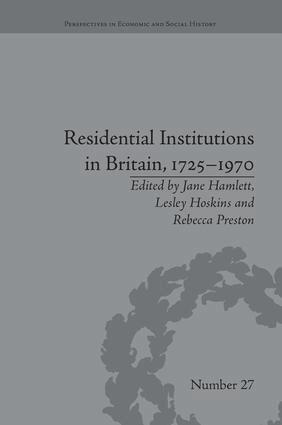
Du kanske också är intresserad av
Gender and Material Culture in Britain since 1600
Jane Hamlett, Hannah Greig, Leonie Hannan
Häftad, 2015
494 kr
Gender and Material Culture in Britain since 1600
Jane Hamlett, Hannah Greig, Leonie Hannan
E-bok
2019534 kr