• Fri frakt över 249 kr
  • •
  • Snabba leveranser
  • •
  • Billiga böcker
Kundservice

Du är på sajten för privatpersoner.

Företag, bibliotek eller offentlig verksamhet?

Du handlar på classic.bokus.com, där alla dina funktioner finns intakta.
Till classic.bokus.com
Bokus logotyp. Gå till startsidan.
  • Erbjudanden
  • Student
  • Topplistor
  • Barn & ungdom
  • Bokus Play
  • E-böcker
  • Ljudböcker
  • Pocketböcker
  • Spel och pussel

5% studentrabatt – använd koden KURSBOK27 →

Sidfot

Mina sidor

    Hjälp

    • Kundservice
    • Vanliga frågor och svar
    • Frakt och leverans
    • Retur vid ångerrätt
    • Reklamera vara
    • Betalning
    • Köpvillkor
    • Allmänna villkor
    • Information om webbplatsens tillgänglighet

    Om Bokus

    • Om oss
    • Pressrum
    • För studenter
    • För företag
    • För bibliotek och offentlig verksamhet
    • För leverantörer
    • Hållbarhet

    Populärt

    • Aktuella erbjudanden
    • Presentkort
    • Studentlitteratur
    • Nya böcker
    • Topplistor
    • Signerade böcker
    • Engelska böcker

    Inspiration

    • Boktips
    • BookTok
    • Barnbokskaraktärer
    • Populära författare
    Logotyp för Bokus
    Följ oss på Facebook (extern länk)Följ oss på Instagram (extern länk)Följ oss på YouTube (extern länk)Följ oss på TikTok (extern länk)
    bokus @ CookiesAnpassa cookiesIntegritetspolicyKöpvillkor
    Till Citymail hemsida (extern länk)Till Budbee hemsida (extern länk)Till Postnord hemsida (extern länk)Till Schenker hemsida (extern länk)Till Early Bird hemsida (extern länk)Till Walleys hemsida (extern länk)
    1. Historia och arkeologi
    2. Historia
    3. Asiens historia

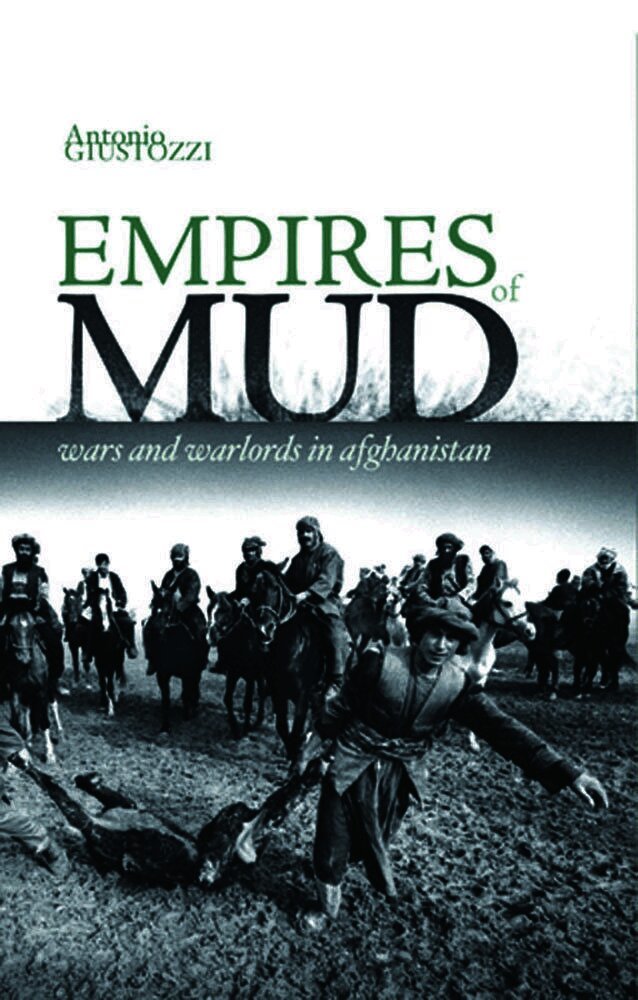
    Empires of Mud

    Wars and Warlords in Afghanistan

    AvAntonio Giustozzi

    Häftad, Engelska, 2012

    469 kr

    Beställningsvara. Skickas inom 7-10 vardagar. Fri frakt över 249 kr.

    Beskrivning

    Warlords are charismatic military leaders who exploit weak central authorities in order to gain control of sub-national areas. Notwithstanding their bad reputation, warlords have often participated in state formation. In Empires of Mud Giustozzi analyses the dynamics of warlordism in Afghanistan within the context of such debates. He approaches this complex task by first analysing aspects of the Afghan environment that might have been conductive to the fragmentation of central authority and the emergence of warlords and then accounts for the emergence of warlordism in the 1980s and subsequently. He accounts for the phenomenon from the 1980s to today, considering Afghanistan's two foremost warlords, Ismail Khan and Abdul Rashid Dostum, and their political, economic, and military systems of rule. Despite the intervention of Allied forces in 2001, both of these leaders continue to wield considerable power. The author also discusses Ahmad Shah Massoud, whose 'system' incorporated elements of rule not dissimilar from that of the warlords. Giustozzi reveals common themes in the emergence of warlordism, particularly the role of local military leaders and their gradual acquisition of 'class consciousness,' which over time evolves into a more sophisticated, state-like, or political party-like, structure.

    Produktinformation

    • Utgivningsdatum:2012-09-06
    • Mått:141 x 216 x 19 mm
    • Vikt:440 g
    • Format:Häftad
    • Språk:Engelska
    • Antal sidor:320
    • Förlag:C Hurst & Co Publishers Ltd
    • ISBN:9781849042253

    Utforska kategorier

    • Asiens historia inom Historia och arkeologi
    • Modern militärhistoria inom Historia och arkeologi
    • Konflikter efter andra världskriget inom Historia och arkeologi

    Mer om författaren

    Antonio Giustozzi has spent more than a decade visiting, researching and writing on Afghanistan. He is a Research Fellow based at the Crisis States Research Centre at the LSE and author of Koran, Kalashnikov and Laptop: The Neo-Taliban in Afghanistan, also available from Hurst.

    Recensioner i media

    'Assesses the dynamics of warlordism... [It offers] a chilling prognosis for those who believe that the solution to stabilizing Afghanistan will come only from the top down - - by building strong central government institutions. Although creating a strong centralized state, assuming it ever happens, may help ensure long-term stability, it is not sufficient in Afghanistan. The current top-down state-building and counterinsurgency efforts must take place alongside bottom-up programs, such as reaching out to legitimate local leaders to enlist them in providing security and services at the village and district levels. Otherwise, the Afghan government will lose the war.'