• Fri frakt över 249 kr
  • •
  • Snabba leveranser
  • •
  • Billiga böcker
Kundservice

Du är på sajten för privatpersoner.

Företag, bibliotek eller offentlig verksamhet?

Du handlar på classic.bokus.com, där alla dina funktioner finns intakta.
Till classic.bokus.com
Bokus logotyp. Gå till startsidan.
  • Erbjudanden
  • Nyheter
  • Student
  • Topplistor
  • Barn & ungdom
  • Bokus Play
  • E-böcker
  • Pocketböcker
  • Spel & pussel

10% rabatt på allt med kod NYSTART10 →

Sidfot

Mina sidor

    Hjälp

    • Kundservice
    • Vanliga frågor och svar
    • Frakt och leverans
    • Retur vid ångerrätt
    • Reklamera vara
    • Betalning
    • Köpvillkor
    • Allmänna villkor
    • Information om webbplatsens tillgänglighet

    Om Bokus

    • Om oss
    • Pressrum
    • För studenter
    • För företag
    • För bibliotek och offentlig verksamhet
    • För leverantörer
    • Hållbarhet

    Populärt

    • Aktuella erbjudanden
    • Presentkort
    • Studentlitteratur
    • Nya böcker
    • Topplistor
    • Signerade böcker
    • Engelska böcker

    Inspiration

    • Boktips
    • BookTok
    • Populära bokserier
    • Barnbokskaraktärer
    • Populära författare
    Logotyp för Bokus
    Följ oss på Facebook (extern länk)Följ oss på Instagram (extern länk)Följ oss på YouTube (extern länk)Följ oss på TikTok (extern länk)
    bokus @ CookiesAnpassa cookiesIntegritetspolicyKöpvillkor
    Till Citymail hemsida (extern länk)Till Budbee hemsida (extern länk)Till Postnord hemsida (extern länk)Till Schenker hemsida (extern länk)Till Early Bird hemsida (extern länk)Till Walleys hemsida (extern länk)
    1. Naturvetenskap och teknik
    2. Geovetenskap
    3. Miljövetenskap och miljöpolitik

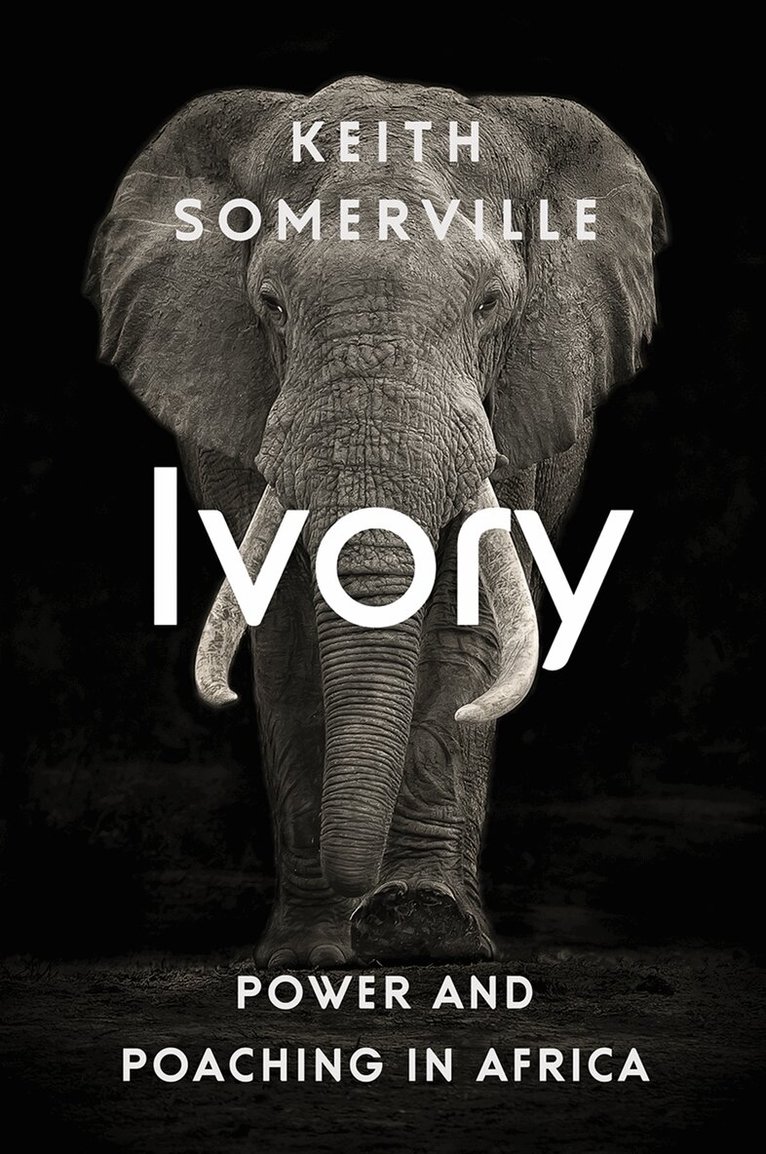
    Ivory

    Power and Poaching in Africa

    AvKeith Somerville

    Inbunden, Engelska, 2016

    328 kr

    Beställningsvara. Skickas inom 7-10 vardagar. Fri frakt över 249 kr.

    Fler format och utgåvor

    Häftad

    213 kr

    E-bok

    207 kr

    E-bok

    208 kr

    Beskrivning

    Despite the 1989 global ivory trade ban, poaching and ivory smuggling have not abated. More than half of Tanzania's elephants have been killed for their ivory since 2007. A similarly alarming story can be told of the herds in northern Mozambique and across swathes of central Africa. But why the new upsurge? The popular narrative blames a meeting of two evils - criminal poaching and terrorism. But the answer is not that simple.Since ancient times, large-scale killing of elephants for their tusks has been driven by demand beyond Africa's range states from the Egyptian pharaohs through the industrialising West to the new wealthy business class of China. Elephant hunting in Africa is also governed by human-elephant conflict, traditional hunting practices and the impact of colonial exploitation and criminalisation.Ivory follows this complex history of the tusk trade in Africa, and explains why it is corruption, crime and politics, rather than insurgency, that we should worry about. In this ground-breaking work, Somerville argues that regulation - not prohibition - of the ivory trade is the best way to stop uncontrolled poaching.

    Produktinformation

    • Utgivningsdatum:2016-11-24
    • Mått:218 x 150 x 41 mm
    • Vikt:650 g
    • Format:Inbunden
    • Språk:Engelska
    • Antal sidor:368
    • Förlag:C Hurst & Co Publishers Ltd
    • ISBN:9781849046763

    Utforska kategorier

    • Miljövetenskap och miljöpolitik inom Naturvetenskap och teknik
    • Brottslighet och kriminologi inom Samhälle och politik

    Mer om författaren

    Keith Somerville is a Senior Research Fellow at the Institute of Commonwealth Studies, University of London; he lectures in Journalism at the Centre for Journalism University of Kent. His latest book, Africa's Long Road Since Independence: The Many Histories of a Continent has just been published by Hurst.

    Recensioner i media

    'Part historical overview, part polemic and call for policy change, [Keith's] book is dedicated not only to those who gave or risk their lives to conserve elephants but also to "those who have the courage to question the ruling orthodoxy" that burnings and bans save elephants. The author's own appetite for questioning - from the "flexible meanings" of the word "poaching" to the high ideals and more nuanced realities of NGOs' work - makes for informative reading.'