• Fri frakt över 249 kr
  • •
  • Snabba leveranser
  • •
  • Billiga böcker
Kundservice

Du är på sajten för privatpersoner.

Företag, bibliotek eller offentlig verksamhet?

Du handlar på classic.bokus.com, där alla dina funktioner finns intakta.
Till classic.bokus.com
Bokus logotyp. Gå till startsidan.
  • Erbjudanden
  • Nyheter
  • Student
  • Topplistor
  • Barn & ungdom
  • Bokus Play
  • E-böcker
  • Pocketböcker
  • Spel & pussel

10% rabatt på allt med kod: NYSTART10 →

Sidfot

Mina sidor

    Hjälp

    • Kundservice
    • Vanliga frågor och svar
    • Frakt och leverans
    • Retur vid ångerrätt
    • Reklamera vara
    • Betalning
    • Köpvillkor
    • Allmänna villkor
    • Information om webbplatsens tillgänglighet

    Om Bokus

    • Om oss
    • Pressrum
    • För studenter
    • För företag
    • För bibliotek och offentlig verksamhet
    • För leverantörer
    • Hållbarhet

    Populärt

    • Aktuella erbjudanden
    • Presentkort
    • Studentlitteratur
    • Nya böcker
    • Topplistor
    • Signerade böcker
    • Engelska böcker

    Inspiration

    • Boktips
    • BookTok
    • Populära bokserier
    • Barnbokskaraktärer
    • Populära författare
    Logotyp för Bokus
    Följ oss på Facebook (extern länk)Följ oss på Instagram (extern länk)Följ oss på YouTube (extern länk)Följ oss på TikTok (extern länk)
    bokus @ CookiesAnpassa cookiesIntegritetspolicyKöpvillkor
    Till Citymail hemsida (extern länk)Till Budbee hemsida (extern länk)Till Postnord hemsida (extern länk)Till Schenker hemsida (extern länk)Till Early Bird hemsida (extern länk)Till Walleys hemsida (extern länk)
    1. Historia och arkeologi
    2. Historia
    3. Afrikas historia

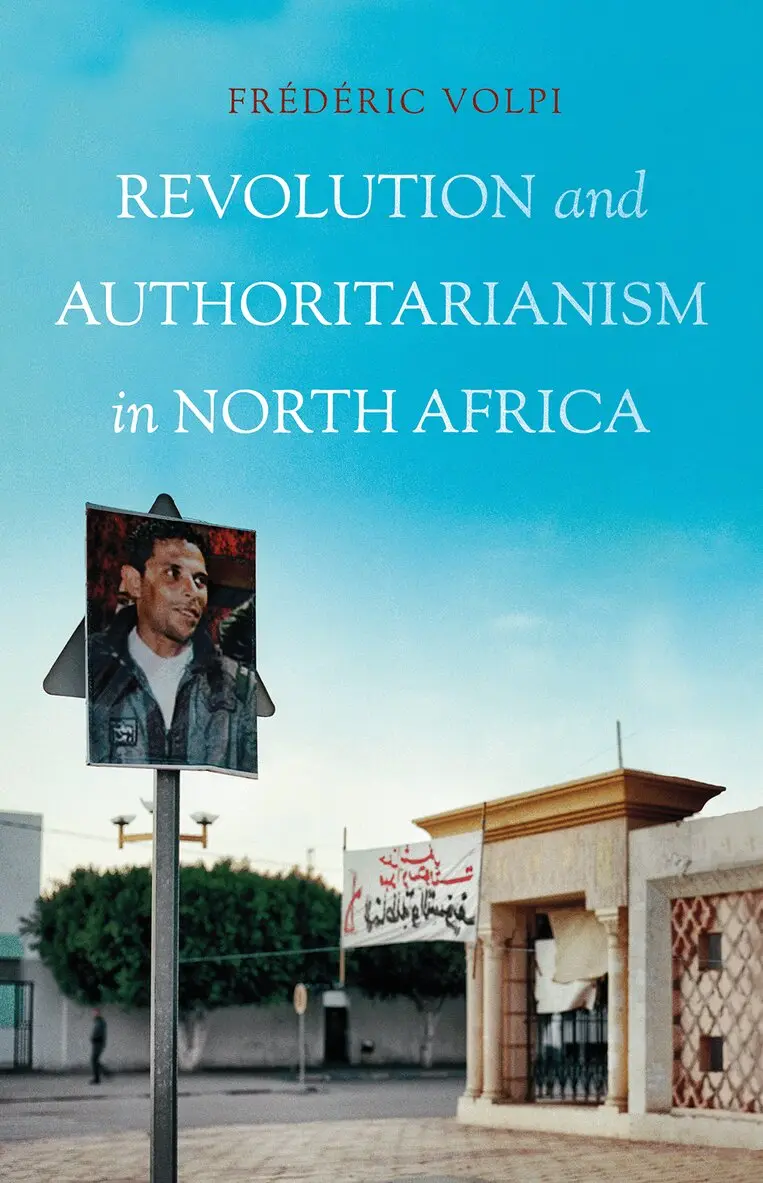
    Revolution and Authoritarianism in North Africa

    AvFrederic Volpi

    Häftad, Engelska, 2017

    337 kr

    Beställningsvara. Skickas inom 7-10 vardagar. Fri frakt över 249 kr.

    Beskrivning

    This book offers a much-needed corrective to dominant approaches to understanding political causality during episodes of intense social mobilisation, specifically with a North African context. Drawing on analyses of routine governance and of 'revolutionary' mobilisation in four countries of the Maghreb -- Morocco, Algeria, Tunisia and Libya -- before, during and after the 2011 uprisings, Volpi explains the different trajectories of these uprisings by showing how specific acts of protest created new arenas of contention that provided actors with new rationales, practices and, ultimately, identities. The book illustrates how the dynamics of revolutionary episodes are characterised by the social and political de-institutionalisation of routine mechanisms of (authoritarian) governance. It also details how post-uprising re-institutionalisation and/or conflict are shaped by reconstructed understandings of the uprisings by actors, who are themselves partially the products of these episodes of phenomena.

    Produktinformation

    • Utgivningsdatum:2017-03-16
    • Mått:138 x 216 x 22 mm
    • Vikt:312 g
    • Format:Häftad
    • Språk:Engelska
    • Antal sidor:224
    • Förlag:C Hurst & Co Publishers Ltd
    • ISBN:9781849046961

    Utforska kategorier

    • Afrikas historia inom Historia och arkeologi
    • Statsvetenskap och politisk teori inom Samhälle och politik
    • Revolutioner och uppror inom Historia och arkeologi

    Mer om författaren

    Frederic Volpi is Senior Lecturer in International Politics in the School of International Relations at the University of St Andrews. He is the author of Political Islam Observed, and has written for the Journal of Democracy, the Middle East Journal, Democratization, and International Studies Review, among others.

    Recensioner i media

    Revolution and Authoritarianism looks beyond the deterministic approaches that have characterised studies of the Arab Spring and offers a much more nuanced set of explanations for the way in which events in North Africa have occurred and developed. Theoretically sophisticated and empirically well grounded, this is a genuine must-read for all those interested in the politics of the Arab Spring.'