• Fri frakt över 249 kr
  • •
  • Snabba leveranser
  • •
  • Billiga böcker
Kundservice

Du är på sajten för privatpersoner.

Företag, bibliotek eller offentlig verksamhet?

Du handlar på classic.bokus.com, där alla dina funktioner finns intakta.
Till classic.bokus.com
Bokus logotyp. Gå till startsidan.
  • Erbjudanden
  • Nyheter
  • Student
  • Topplistor
  • Barn & ungdom
  • Bokus Play
  • E-böcker
  • Pocketböcker
  • Spel & pussel

Må bättre, för mindre! Upp till 50% rabatt på hälsoböcker

Sidfot

Mina sidor

    Hjälp

    • Kundservice
    • Vanliga frågor och svar
    • Frakt och leverans
    • Retur vid ångerrätt
    • Reklamera vara
    • Betalning
    • Köpvillkor
    • Allmänna villkor
    • Information om webbplatsens tillgänglighet

    Om Bokus

    • Om oss
    • Pressrum
    • För studenter
    • För företag
    • För bibliotek och offentlig verksamhet
    • För leverantörer
    • Hållbarhet

    Populärt

    • Aktuella erbjudanden
    • Presentkort
    • Studentlitteratur
    • Nya böcker
    • Topplistor
    • Signerade böcker
    • Engelska böcker

    Inspiration

    • Boktips
    • BookTok
    • Populära bokserier
    • Barnbokskaraktärer
    • Populära författare
    Logotyp för Bokus
    Följ oss på Facebook (extern länk)Följ oss på Instagram (extern länk)Följ oss på YouTube (extern länk)Följ oss på TikTok (extern länk)
    bokus @ CookiesAnpassa cookiesIntegritetspolicyKöpvillkor
    Till Citymail hemsida (extern länk)Till Budbee hemsida (extern länk)Till Postnord hemsida (extern länk)Till Schenker hemsida (extern länk)Till Early Bird hemsida (extern länk)Till Walleys hemsida (extern länk)
    1. Historia och arkeologi
    2. Historia
    3. Afrikas historia

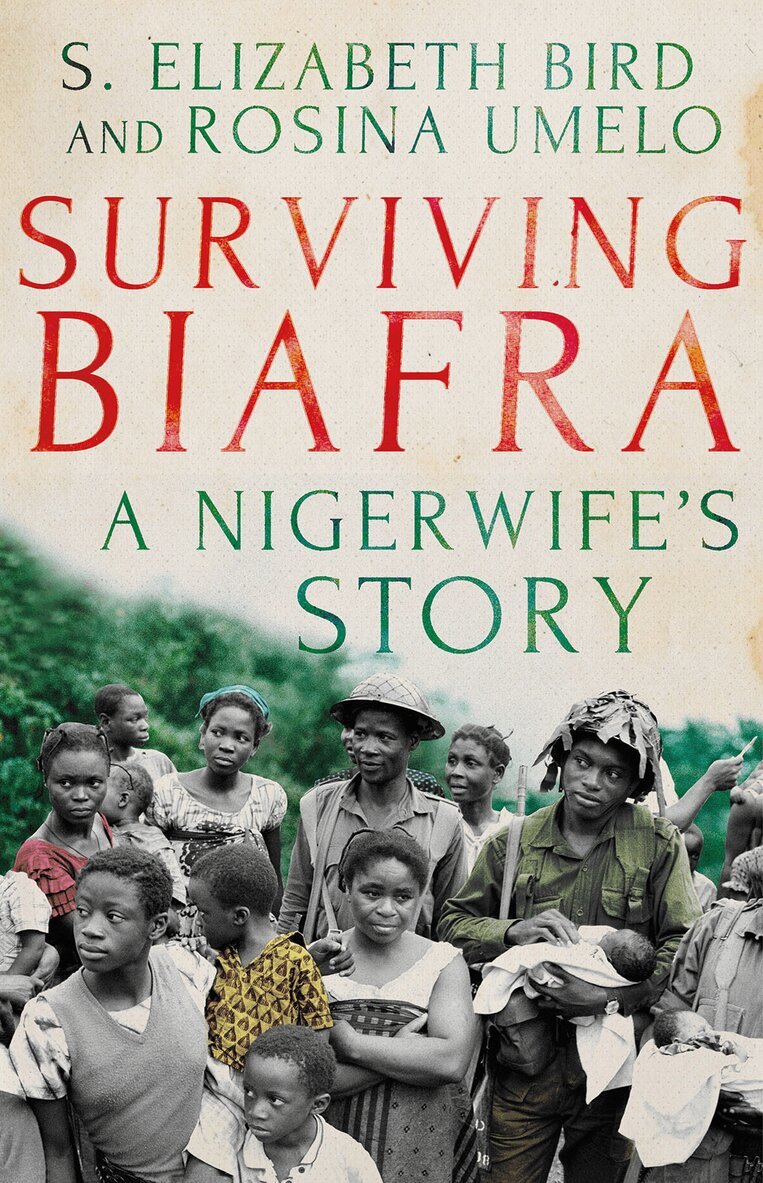
    Surviving Biafra

    A Nigerwife's Story

    AvElizabeth S. Bird,Rosina Umelo

    Inbunden, Engelska, 2018

    299 kr

    Beställningsvara. Skickas inom 7-10 vardagar. Fri frakt över 249 kr.

    Beskrivning

    In 1961, Rosina ‘Rose’ Martin married John Umelo, a young Nigerian she met on a London Tube station platform, eventually moving to Nigeria with him and their children. As Rose taught Classics in Enugu, they found themselves caught up in Nigeria’s Civil War, which followed the 1967 secession of Eastern Nigeria--now named Biafra. The family fled to John’s ancestral village, then moved from place to place as the war closed in. When it ended in 1970, up to 2 million had died, most from starvation. Rose (‘worse off than some, better off than many’) had kept notes, capturing the reality of living in Biafra--from excitement in the beginning to despair towards the end. Immediately after the war, Rose turned her notes into a narrative that described the ingenious ways Biafrans made do, still hoping for victory while their territory shrank and children starved by the thousand. Now anthropologist S. Elizabeth Bird contextualises Rose’s story, providing background on the progress of the war and international reaction to it. Edited and annotated, Rose’s vivid account of life as a Biafran ‘Nigerwife’ offers a fresh, new look at hope and survival through a brutal war.

    Produktinformation

    • Utgivningsdatum:2018-10-18
    • Mått:138 x 216 x 29 mm
    • Vikt:472 g
    • Format:Inbunden
    • Språk:Engelska
    • Antal sidor:256
    • Förlag:C Hurst & Co Publishers Ltd
    • ISBN:9781849049580

    Utforska kategorier

    • Afrikas historia inom Historia och arkeologi
    • Genusvetenskap inom Samhälle och politik

    Mer om författaren

    S. Elizabeth Bird is Professor of Anthropology at the University of South Florida. Her books include The Asaba Massacre: Trauma, Memory and the Nigerian Civil War, co-authored with Fraser Ottanelli.  Rosina Umelo lived in Nigeria for fifty years, working as a teacher, writer and editor, most recently at the International Institute of Tropical Agriculture, Ibadan. She now lives near London.

    Recensioner i media

    ‘Umelo’s harrowing account does not exoticize . . . she captures the reality of living in Biafra – from the early excitement to the bitter end. Surviving Biafra takes its place in a valuable corpus of grassroots accounts . . . Putting ordinary people to the fore, it reminds us that women often pay the greatest price in war.’