• Fri frakt över 249 kr
  • •
  • Snabba leveranser
  • •
  • Billiga böcker
Kundservice

Du är på sajten för privatpersoner.

Företag, bibliotek eller offentlig verksamhet?

Du handlar på classic.bokus.com, där alla dina funktioner finns intakta.
Till classic.bokus.com
Bokus logotyp. Gå till startsidan.
  • Erbjudanden
  • Nyheter
  • Student
  • Topplistor
  • Barn & ungdom
  • Bokus Play
  • E-böcker
  • Pocketböcker
  • Spel & pussel

10% rabatt på allt med kod: NYSTART10 →

Sidfot

Mina sidor

    Hjälp

    • Kundservice
    • Vanliga frågor och svar
    • Frakt och leverans
    • Retur vid ångerrätt
    • Reklamera vara
    • Betalning
    • Köpvillkor
    • Allmänna villkor
    • Information om webbplatsens tillgänglighet

    Om Bokus

    • Om oss
    • Pressrum
    • För studenter
    • För företag
    • För bibliotek och offentlig verksamhet
    • För leverantörer
    • Hållbarhet

    Populärt

    • Aktuella erbjudanden
    • Presentkort
    • Studentlitteratur
    • Nya böcker
    • Topplistor
    • Signerade böcker
    • Engelska böcker

    Inspiration

    • Boktips
    • BookTok
    • Populära bokserier
    • Barnbokskaraktärer
    • Populära författare
    Logotyp för Bokus
    Följ oss på Facebook (extern länk)Följ oss på Instagram (extern länk)Följ oss på YouTube (extern länk)Följ oss på TikTok (extern länk)
    bokus @ CookiesAnpassa cookiesIntegritetspolicyKöpvillkor
    Till Citymail hemsida (extern länk)Till Budbee hemsida (extern länk)Till Postnord hemsida (extern länk)Till Schenker hemsida (extern länk)Till Early Bird hemsida (extern länk)Till Walleys hemsida (extern länk)
    1. Historia och arkeologi
    2. Historia
    3. Historia: särskilda händelser och ämnen
    4. Kolonialism och imperialism

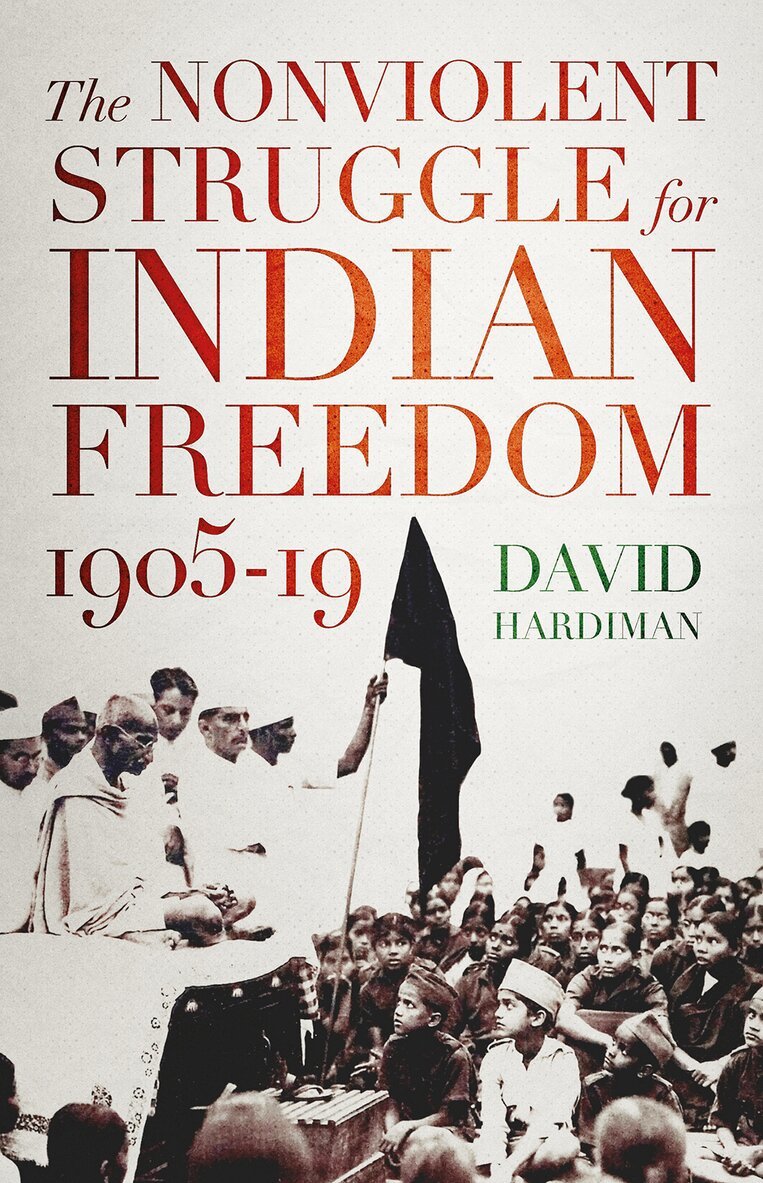
    Nonviolent Struggle for Indian Freedom, 1905-19

    AvDavid Hardiman

    Inbunden, Engelska, 2018

    469 kr

    Beställningsvara. Skickas inom 7-10 vardagar. Fri frakt över 249 kr.

    Fler format och utgåvor

    E-bok

    650 kr

    E-bok

    652 kr

    Beskrivning

    Much of the recent surge in writing about the practice of nonviolent forms of resistance has focused on movements that occurred after the end of the Second World War, many of which have been extremely successful. Although the fact that such a method of resistance was developed in its modern form by Indians is acknowledged in this writing, there has not until now been an authoritative history of the role of Indians in the evolution of the phenomenon.Celebrated historian David Hardiman shows that while nonviolence is associated above all with the towering figure of Mahatma Gandhi, ‘passive resistance’ was already being practised by nationalists in British-ruled India, though there was no principled commitment to nonviolence as such. It was Gandhi, first in South Africa and then in India, who evolved a technique that he called ‘satyagraha’. His endeavours saw ‘nonviolence’ forged as both a new word in the English language, and a new political concept.This book conveys in vivid detail exactly what nonviolence entailed, and the formidable difficulties that the pioneers of such resistance encountered in the years 1905-19.

    Produktinformation

    • Utgivningsdatum:2018-10-25
    • Mått:138 x 216 x 19 mm
    • Vikt:490 g
    • Format:Inbunden
    • Språk:Engelska
    • Antal sidor:288
    • Förlag:C Hurst & Co Publishers Ltd
    • ISBN:9781849049702

    Utforska kategorier

    • Kolonialism och imperialism inom Historia och arkeologi
    • Asiens historia inom Historia och arkeologi
    • Nationell befrielse och självständighet inom Historia och arkeologi

    Mer om författaren

    David Hardiman is Emeritus Professor of History at the University of Warwick. He lived and worked in India for many years, and is a founding member of the Subaltern Studies group. He has written extensively on the history of the Indian nationalist movement, Gandhi, and Indian social history.

    Recensioner i media

    'Hardiman looks at the tangled web around the idea of ahimsaor non-violence both as a religious creed and its crossing over to the political domain at a time when organised mass mobilisation had just begun in India.'