• Fri frakt över 249 kr
  • •
  • Snabba leveranser
  • •
  • Billiga böcker
Kundservice

Du är på sajten för privatpersoner.

Företag, bibliotek eller offentlig verksamhet?

Du handlar på classic.bokus.com, där alla dina funktioner finns intakta.
Till classic.bokus.com
Bokus logotyp. Gå till startsidan.
  • Erbjudanden
  • Nyheter
  • Student
  • Topplistor
  • Barn & ungdom
  • Bokus Play
  • E-böcker
  • Pocketböcker
  • Spel & pussel

Må bättre, för mindre! Upp till 50% rabatt på hälsoböcker

Sidfot

Mina sidor

    Hjälp

    • Kundservice
    • Vanliga frågor och svar
    • Frakt och leverans
    • Retur vid ångerrätt
    • Reklamera vara
    • Betalning
    • Köpvillkor
    • Allmänna villkor
    • Information om webbplatsens tillgänglighet

    Om Bokus

    • Om oss
    • Pressrum
    • För studenter
    • För företag
    • För bibliotek och offentlig verksamhet
    • För leverantörer
    • Hållbarhet

    Populärt

    • Aktuella erbjudanden
    • Presentkort
    • Studentlitteratur
    • Nya böcker
    • Topplistor
    • Signerade böcker
    • Engelska böcker

    Inspiration

    • Boktips
    • BookTok
    • Populära bokserier
    • Barnbokskaraktärer
    • Populära författare
    Logotyp för Bokus
    Följ oss på Facebook (extern länk)Följ oss på Instagram (extern länk)Följ oss på YouTube (extern länk)Följ oss på TikTok (extern länk)
    bokus @ CookiesAnpassa cookiesIntegritetspolicyKöpvillkor
    Till Citymail hemsida (extern länk)Till Budbee hemsida (extern länk)Till Postnord hemsida (extern länk)Till Schenker hemsida (extern länk)Till Early Bird hemsida (extern länk)Till Walleys hemsida (extern länk)
    1. Medicin
    2. Andra medicinska specialiteter
    3. Klinisk psykologi
    4. Psykoterapi som behandlingsmetod

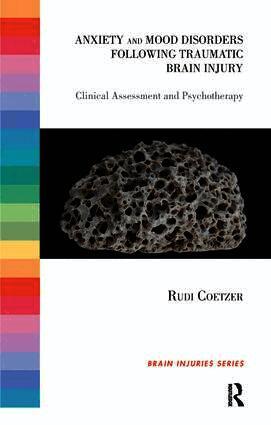
    Anxiety and Mood Disorders Following Traumatic Brain Injury

    Clinical Assessment and Psychotherapy

    AvRudi Coetzer

    Häftad, Engelska, 2010

    Del i serien Brain Injuries Series

    585 kr

    Beställningsvara. Skickas inom 10-15 vardagar. Fri frakt över 249 kr.

    Fler format och utgåvor

    Inbunden

    2 352 kr

    E-bok

    691 kr

    E-bok

    691 kr

    Beskrivning

    While there are many excellent texts addressing cognitive impairment and behavioural difficulties and on rehabilitation associated with traumatic brain injury, few textbooks specifically address the most common emotional problems that can have such an adverse effect on rehabilitation and outcome. Uniquely this book deals exclusively with the identification and psychotherapeutic management of mood and anxiety disorders after traumatic brain injury. Furthermore, a systematic approach to identifying and diagnosing anxiety and mood disorders is followed throughout the text.As well as providing an introduction to anxiety and mood disorders after traumatic brain injury, it provides a psychological perspective on their evolution and management. It is aimed at a range of professionals in training (or those responsible for providing training in psychopathology, neuropsychology and psychotherapy), as well as those who may have an interest in working with the type of patients with anxiety or depression, commonly seen in post-acute brain injury rehabilitation settings. Case studies, summaries and suggested references for further reading are used throughout to facilitate understanding and teaching where relevant.

    Produktinformation

    • Utgivningsdatum:2010-12-31
    • Mått:147 x 230 x undefined mm
    • Format:Häftad
    • Språk:Engelska
    • Serie:Brain Injuries Series
    • Antal sidor:250
    • Förlag:Taylor & Francis Ltd
    • ISBN:9781855756472

    Utforska kategorier

    • Psykoterapi som behandlingsmetod inom Medicin
    • Neurologi och klinisk neurofysiologi inom Medicin
    • Rehabilitering inom Medicin

    Mer om författaren

    Dr Rudi Coetzer is with the North Wales Brain Injury Service, Betsi Cadwaladr University Health Board NHS Wales, where he works full-time as a consultant neuropsychologist. He is an honorary senior lecturer in the School of Psychology, Bangor University.

    Recensioner i media

    'This timely, well-structured and informative book will be an invaluable resource for psychologists and clinicians working with brain injured patients who aim to overcome the divide between psychopathology, neuropsychology and neurorehabilitation.'- Dr Birgit Gur, Chartered Clinical Psychologist/Neuropsychologist, Neuropsychology Service, Dorset HealthCare NHS Foundation Trust'I wish this book had already been published before I gave my last course in neuropsychology. It is refreshing to see a book on neuropsychology emphasizing the importance of clinical assessment, and one that provides an appreciation of the dynamic interplay of mood, personality and loss in traumatic brain injury.'- Dr Helena Thornton, Senior Clinical Psychologist/Lecturer, Valkenburg Hospital & University of Cape Town'At last, a comprehensive and readable clinical text on the treatment of anxiety disorders after acquired brain injury. Rudi Coetzer's new book is not only an excellent introductory primer in the field but is also a wonderful depository of informative and relevant case studies for the experienced practitioner. Lucid and well researched throughout, I would heartily recommend this scholarly text.'- Dr Gavin Newby, Consultant Clinical Neuropsychologist, Acquired Brain Injury Service for South Cheshire'A book not only for the brain injury expert, but a must-have for the multi-disciplinary team that cares for the brain injured patient. Written in a conversational, but informative, style which will suit the student and the clinician that deals with the injured brain and behaviour. These would include allied health professionals, psychologists, psychiatrists and rehabilitation specialists.'- Dr Johann Claassen, Associate Professor in Psychiatry, QEII Medical Centre, the University of Western Australia

    Innehållsförteckning

    • Series Editor's Foreword , Preface , Traumatic brain injury , Clinical presentation , Assessment , Psychological approaches to the management of anxiety and mood disorders , Panic disorder , Phobias , Obsessive–compulsive disorder , Post traumatic stress disorder , Generalized anxiety disorder , Major depressive disorder , Bipolar disorder , Special populations , Conclusions and future directions