• Fri frakt över 249 kr
  • •
  • Snabba leveranser
  • •
  • Billiga böcker
Kundservice

Du är på sajten för privatpersoner.

Företag, bibliotek eller offentlig verksamhet?

Du handlar på classic.bokus.com, där alla dina funktioner finns intakta.
Till classic.bokus.com
Bokus logotyp. Gå till startsidan.
  • Erbjudanden
  • Nyheter
  • Student
  • Topplistor
  • Barn & ungdom
  • Bokus Play
  • E-böcker
  • Pocketböcker
  • Spel & pussel

10% rabatt på allt med kod: NYSTART10 →

Sidfot

Mina sidor

    Hjälp

    • Kundservice
    • Vanliga frågor och svar
    • Frakt och leverans
    • Retur vid ångerrätt
    • Reklamera vara
    • Betalning
    • Köpvillkor
    • Allmänna villkor
    • Information om webbplatsens tillgänglighet

    Om Bokus

    • Om oss
    • Pressrum
    • För studenter
    • För företag
    • För bibliotek och offentlig verksamhet
    • För leverantörer
    • Hållbarhet

    Populärt

    • Aktuella erbjudanden
    • Presentkort
    • Studentlitteratur
    • Nya böcker
    • Topplistor
    • Signerade böcker
    • Engelska böcker

    Inspiration

    • Boktips
    • BookTok
    • Populära bokserier
    • Barnbokskaraktärer
    • Populära författare
    Logotyp för Bokus
    Följ oss på Facebook (extern länk)Följ oss på Instagram (extern länk)Följ oss på YouTube (extern länk)Följ oss på TikTok (extern länk)
    bokus @ CookiesAnpassa cookiesIntegritetspolicyKöpvillkor
    Till Citymail hemsida (extern länk)Till Budbee hemsida (extern länk)Till Postnord hemsida (extern länk)Till Schenker hemsida (extern länk)Till Early Bird hemsida (extern länk)Till Walleys hemsida (extern länk)
    1. Historia och arkeologi
    2. Historia
    3. Historia: särskilda händelser och ämnen
    4. Socialhistoria och kulturhistoria

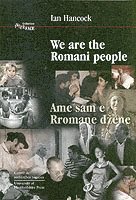
    We Are the Romani People

    Volume 28

    AvIan Hancock

    Häftad, Engelska, 2002

    Del i serien Interface Collection

    149 kr

    Skickas . Fri frakt över 249 kr.

    Beskrivning

    The author, who is himself a Romani, speaks directly to the gadze (non-Gypsy) reader about his people, their history since leaving India one thousand years ago and their rejection and exclusion from society in the countries where they settled, their health, food, culture and society. He offers candid frank advice on rejecting prejudices and stereotypes and getting to know Roma as individuals. He describes the development of Roma identity and politics, gives short biographies of prominent Roma in many different walks of life, describes the Romani language and illustrates it with proverbs providing an insight into Roma thought and belief. It is extensively illustrated and provides a rare inside view into the life and society of the Roma people. This book is published in association with OSI, New York, a charitable foundation whose aims include supporting equality of opportunity for the Roma of Central and Eastern Europe.

    Produktinformation

    • Utgivningsdatum:2002-09-01
    • Mått:165 x 241 x 12 mm
    • Vikt:390 g
    • Format:Häftad
    • Språk:Engelska
    • Serie:Interface Collection
    • Antal sidor:208
    • Förlag:University of Hertfordshire Press
    • ISBN:9781902806198

    Utforska kategorier

    • Socialhistoria och kulturhistoria inom Historia och arkeologi
    • Etnicitet inom Samhälle och politik

    Mer om författaren

    Ian Hancock received his PhD from London University and teaches Romani Studies at the University of Texas, Austin, where he is the Director of the Romani Archives and Documentation Center. He was born in Britain and descends on his father's side from Hungarian Romungre Romanies and on his mother's side from English Romanichal Gypsies. In 1998 President Clinton appointed him to represent Romanies on the U.S. Holocaust Memorial Council. He is the author of over 300 articles and books, mostly on the Romanies.

    Innehållsförteckning

    • Foreword ix; Introduction; xvii; A note on Romani spelling xviii; A note on names xviii; Gypsy, Gipsy, Romany, Romani and Rromani vvi; 'Gadze' and other words for non-Romanies xxii; 1 History 1; How Westerners learnt the Romanies' true origin 2; O Teljaripe: The move out of India 6; O Aresipe: arrival in Byzantium and the West 14; 2 Rrobija: Slavery 17; Desrrobireja: Abolition 23; The enslavement of Romanies in other places 26; 3 The Buxljaripe: Out into Europe 29; What the Europeans thought 31; 4 O Baro Porrajmos: The Holocaust 34; 5 Explaining antigypsyism 53; Romanies as foreign intruders and non-Christians 54; Physical appearance 56; Exclusionary culture 58; Way of life 59; The parallel, created 'Gypsy' image 61; Scapegoatism 62; The vague understanding of Romani origins 62; 6 The Gypsy image; 64; Origins of the fictionalized gypsy 64; The two faces of Romani identity 67; 7 How Indian are Romanies? 70; 8 How European are Romanies? 77; 9 Cuisine 80; 10 Health 88; 11 How to Interact with Romanies 91; Crime 94; Slave mentality 97; Anger 97; Personal hygiene 98; Nomadism 99; Morals 100; Magic 102; Our stereotypes of non-Romanies 102; Some suggestions 103; 12 The emergence of Romani organizations 111; 13 Contributions, accomplishments and persons of note 125; 14 Amari Chib: Our language 139; Romani vocabulary 143; Samples of the language: Some useful phrases 144; Samples of the language: Some proverbs 145; Samples of the language: A joke 148; Appendix: Romani grammar 150; Recommended sources 161; Standards in Romani Studies 161; Works referenced in the text 166; Index 174