• Fri frakt över 249 kr
  • •
  • Snabba leveranser
  • •
  • Billiga böcker
Kundservice

Du är på sajten för privatpersoner.

Företag, bibliotek eller offentlig verksamhet?

Du handlar på classic.bokus.com, där alla dina funktioner finns intakta.
Till classic.bokus.com
Bokus logotyp. Gå till startsidan.
  • Erbjudanden
  • Nyheter
  • Student
  • Topplistor
  • Barn & ungdom
  • Bokus Play
  • E-böcker
  • Pocketböcker
  • Spel & pussel

Må bättre, för mindre! Upp till 50% rabatt på hälsoböcker

Sidfot

Mina sidor

    Hjälp

    • Kundservice
    • Vanliga frågor och svar
    • Frakt och leverans
    • Retur vid ångerrätt
    • Reklamera vara
    • Betalning
    • Köpvillkor
    • Allmänna villkor
    • Information om webbplatsens tillgänglighet

    Om Bokus

    • Om oss
    • Pressrum
    • För studenter
    • För företag
    • För bibliotek och offentlig verksamhet
    • För leverantörer
    • Hållbarhet

    Populärt

    • Aktuella erbjudanden
    • Presentkort
    • Studentlitteratur
    • Nya böcker
    • Topplistor
    • Signerade böcker
    • Engelska böcker

    Inspiration

    • Boktips
    • BookTok
    • Populära bokserier
    • Barnbokskaraktärer
    • Populära författare
    Logotyp för Bokus
    Följ oss på Facebook (extern länk)Följ oss på Instagram (extern länk)Följ oss på YouTube (extern länk)Följ oss på TikTok (extern länk)
    bokus @ CookiesAnpassa cookiesIntegritetspolicyKöpvillkor
    Till Citymail hemsida (extern länk)Till Budbee hemsida (extern länk)Till Postnord hemsida (extern länk)Till Schenker hemsida (extern länk)Till Early Bird hemsida (extern länk)Till Walleys hemsida (extern länk)
    1. Medicin
    2. Medicin: allmänt
    3. Samhällsmedicin och preventiv medicin
    4. Folkhälsa och hälsopedagogik

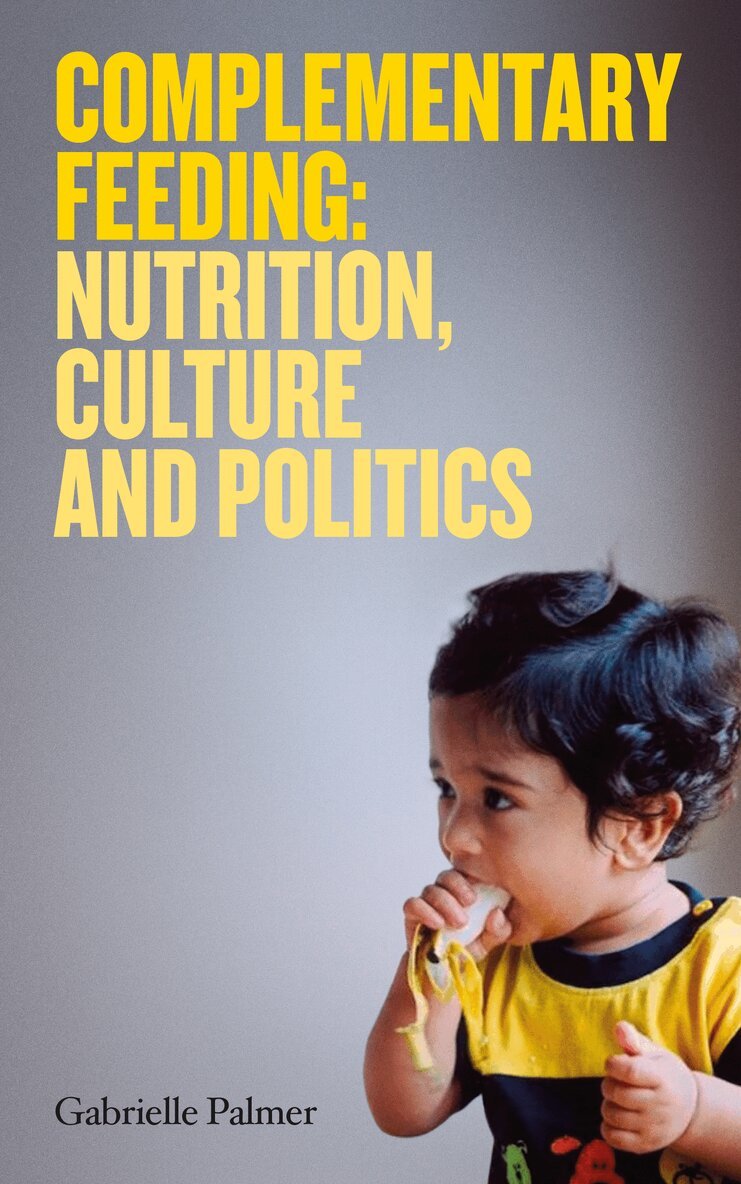
    Complementary Feeding

    Nutrition, Culture and Politics

    AvGabrielle Palmer

    Häftad, Engelska, 2011

    157 kr

    Beställningsvara. Skickas inom 5-8 vardagar. Fri frakt över 249 kr.

    Beskrivning

    Gabrielle Palmer's groundbreaking book "The Politics of Breastfeeding" highlighted the controversies surrounding the aggressive promotion of breast milk substitutes. She now turns her attention to complementary feeding - the first foods that a child eats besides milk. For most of human existence, children went without industrially processed foods and branded food products. Can we applaud the progress of the way children are fed today? In our unequal world one billion people risk their health through overconsumption while two billion people are hungry. The health problems of both groups start in early childhood. The power and influence of the food industry has increased dramatically in recent decades. Seductive and often unethical modern marketing methods have led to the promotion of unsuitable, unnecessary and sometimes harmful baby foods. Yet not all industrially processed foods are bad and not all 'natural' foods are good. Both poor and rich children may be inappropriately fed. What lessons can we learn from history? How do cultural and religious beliefs influence the choice of food? Can government initiatives have any effect? How can we provide good nutrition for all infants?This brief, compassionate and thought-provoking new book will be of interest to anyone who is curious about the world, its children and their nutrition, and will stimulate discussion and debate as part of the campaign to create a world where health for all is a true goal.

    Produktinformation

    • Utgivningsdatum:2011-05-01
    • Mått:135 x 215 x 1 mm
    • Vikt:172 g
    • Format:Häftad
    • Språk:Engelska
    • Antal sidor:128
    • Förlag:Montag & Martin Limited
    • ISBN:9781905177424

    Utforska kategorier

    • Folkhälsa och hälsopedagogik inom Medicin

    Mer om författaren

    Gabrielle Palmer is a nutritionist and a campaigner. She was a breastfeeding counsellor in the 1970s and helped establish the UK pressure group Baby Milk Action. In the early 1980s she lived and worked as a volunteer in Mozambique. She has written, taught and campaigned on infant feeding issues, particularly the unethical marketing of baby foods. In the 1990s she co-directed the International Breastfeeding: Practice and Policy course at The Institute of Child Health in London until she went to live in China for two years. She has worked independently for various health and development agencies, including serving as HIV and Infant Feeding Officer for UNICEF New York. She recently worked at The London School of Hygiene and Tropical Medicine where she had originally studied nutrition. She is a mother and a grandmother. She retired from active campaigning at the end of 2009.

    Innehållsförteckning

    • IntroductionAcknowledgementsForewordPart One: The Big Picture1 Entitlement to food2 Entitlement to water3 Medicalising undernutrition and poverty4 Fair distribution5 What is complementary feeding?6 Politics7 NutritionPart Two: A Closer Look8 Food and nutrition: an historical perspective9 Evolution and food systems10 Salty, sweet and fat: the human drives for taste11 Human plumpness12 The timing of complementary feeding13 What did prehistoric young children eat?14 Are cereals appropriate foods for babies?15 A word about animal milk16 Why don't we give our babies molluscs and insects?17 Cultural and religious beliefsPart Three: Processes for Change18 The language of food19 Is a 'local' diet possible and good enough for infants and young children?20 A lesson from history: the example of wartime UK21 A contemporary lesson: the US Special Supplemental Nutrition Program for Women, Infants and Children (WIC)22 The majority worldAfterword: health for all?AppendicesI Insects and other invertebrates as foodII A nutrient example: ironIII Additional information on the British 'Food for Victory' campaignIV Additional information on the Special Supplemental Nutrition Program for Women, Infants and Children (WIC)ReferencesIndex