• Fri frakt över 249 kr
  • •
  • Snabba leveranser
  • •
  • Billiga böcker
Kundservice

Du är på sajten för privatpersoner.

Företag, bibliotek eller offentlig verksamhet?

Du handlar på classic.bokus.com, där alla dina funktioner finns intakta.
Till classic.bokus.com
Bokus logotyp. Gå till startsidan.
  • Erbjudanden
  • Nyheter
  • Student
  • Topplistor
  • Barn & ungdom
  • Bokus Play
  • E-böcker
  • Pocketböcker
  • Spel & pussel

10% rabatt på allt med kod: NYSTART10 →

Sidfot

Mina sidor

    Hjälp

    • Kundservice
    • Vanliga frågor och svar
    • Frakt och leverans
    • Retur vid ångerrätt
    • Reklamera vara
    • Betalning
    • Köpvillkor
    • Allmänna villkor
    • Information om webbplatsens tillgänglighet

    Om Bokus

    • Om oss
    • Pressrum
    • För studenter
    • För företag
    • För bibliotek och offentlig verksamhet
    • För leverantörer
    • Hållbarhet

    Populärt

    • Aktuella erbjudanden
    • Presentkort
    • Studentlitteratur
    • Nya böcker
    • Topplistor
    • Signerade böcker
    • Engelska böcker

    Inspiration

    • Boktips
    • BookTok
    • Populära bokserier
    • Barnbokskaraktärer
    • Populära författare
    Logotyp för Bokus
    Följ oss på Facebook (extern länk)Följ oss på Instagram (extern länk)Följ oss på YouTube (extern länk)Följ oss på TikTok (extern länk)
    bokus @ CookiesAnpassa cookiesIntegritetspolicyKöpvillkor
    Till Citymail hemsida (extern länk)Till Budbee hemsida (extern länk)Till Postnord hemsida (extern länk)Till Schenker hemsida (extern länk)Till Early Bird hemsida (extern länk)Till Walleys hemsida (extern länk)
    1. Kultur
    2. Arkitektur

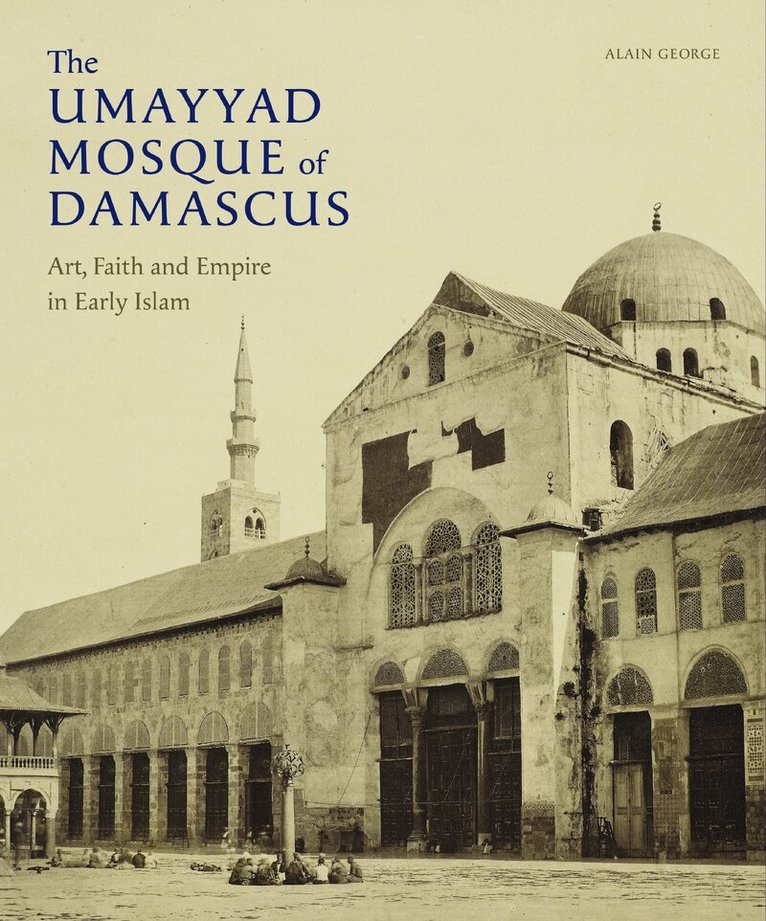
    Umayyad Mosque of Damascus

    Art, Faith and Empire in Early Islam

    AvAlain George,Melanie Gibson

    Inbunden, Engelska, 2021

    Del i serien Gingko Art Series

    860 kr

    Beställningsvara. Skickas inom 7-10 vardagar. Fri frakt över 249 kr.

    Beskrivning

    The Great Mosque of Damascus is an iconic monument of world architecture, and the oldest mosque still standing in something close to its original state. This book is the first in-depth study of its foundation by the Umayyad dynasty, just as the first Islamic century was drawing to a close. Towards the end of 705, the Umayyad caliph al-Walid determined to build a new monumental mosque at the heart of his capital Damascus. This required the seizure of a church that had stood there since the forceful closure, centuries earlier, of the Roman temple of Jupiter, the walls of which still stand today. When the Christians refused to cede their building, al-Walid decided to take it by force. This controversial act broke with the consensual politics of the early Islamic empire and triggered a major crisis, the ripples of which were felt as far afield as the Byzantine Empire. Still, events ran their course. Once the rubble of the church was cleared, al-Walid and his supervisors deployed complex logistics to create a building of dazzling opulence and splendour that marked a turning point in mosque architecture. The book anchors the foundation of the Umayyad Mosque in its pre-Islamic past and brings to life the commotion that followed the destruction of the church. Alain George explores the process whereby craftsmen and materials were gathered to build the new mosque, seeks to reconstruct its Umayyad appearance, and investigates the subtle aesthetics that underpinned its stupendous ornament. This beautifully illustrated volume is based upon extensive research on new textual and visual sources, including Umayyad court poems and rare nineteenth-century photographs.

    Produktinformation

    • Utgivningsdatum:2021-06-30
    • Mått:240 x 290 x 28 mm
    • Vikt:1 895 g
    • Format:Inbunden
    • Språk:Engelska
    • Serie:Gingko Art Series
    • Antal sidor:264
    • Förlag:GINGKO
    • ISBN:9781909942455

    Utforska kategorier

    • Arkitektur inom Kultur
    • Konsthistoria inom Kultur

    Mer om författaren

    Alain George is Professor of Islamic Art and Architecture ay the University of Oxford and Fellow of Wolfson College.

    Recensioner i media

    Alain George offers the results of a fascinating investigation into the earliest mosque of Islam. Mobilizing literary as well as documentary sources, archaeology, art history, and old photographs, the book provides a vivid picture of the monument as it was designed and erected at the very beginning of the eighth century. At the crossroads of wars against Byzantium, theological debates and imperial construction, the Umayyad mosque stands as a stone palimpsest and a poem to the glory of Islam. An amazing scientific and aesthetic tour de force, which will become an indispensable reference for historians and will seduce architecture lovers. Mathieu Tillier, Sorbonne Universite; The Umayyad mosque in Damascus is one of the great monuments of Islamic architecture and the most impressive surviving eighth century building in Western Eurasia. It also has a long and complex history of rebuilding after fires and other disasters. For the first time we now have a book which does full justice to it. Alain George has used text, archaeology and perhaps most revealingly, old photographs to produce a rich scholarly, readable and exciting account of the mosque. This book marks a major advance in our understanding of the building and will be the first port of call for scholars and students alike who want to understand it. It is a magnificent achievement.- Hugh Kennedy SOAS, London University; This is an important study that brings many fresh insights to a building that has already generated much scholarship. Alain George is to be commended on his masterful examination of architectural, archaeological, textual, and photographic evidence. The author is sensitive to the need to resolve discontinuities between primary textual accounts and the physical record of the standing structures and excavated material. Comparative evidence is used effectively to illuminate the ways in which practices or features located in the Damascus mosque are part of a larger cultural framework. This book will be read by specialists, but will also gain a wider readership among researchers engaged with similar problems in other regions and historical periods -Marcus Milwright, University of Victoria, Canada.

    Innehållsförteckning

    • AcknowledgementsIntroduction: A Day in the Life of DamascusThe Story So FarThe Present Book1. Palimpsests in Stone and Layered Texts: The Multiple Histories of the Umayyad MosqueThe Mosque and its Historiography until the Ottoman EraThe Syrian Historiographical TraditionEarly Travel Relations and Geographical WorksThe Mosque in the Abbasid and Fatimid PeriodsThe Fire of 1069 and the Later History of the MosqueThe Mosque since the Nineteenth CenturyThe Fire of 1893The Earliest Photographs of the MosqueRestorations of the 1920s to 1960sPhotographs of the 1920s to 1940s2.Tangled Memories: The Temple, Church, and First MosqueThe Cella of the Roman TempleLayout of the SiteThe 1962–63 SoundingsIdentification of the RemainsFootprint of the CellaCella Elevation and ProportionsThe Church within the Temenos and the First MosqueTextual Narratives of ConversionAn Elusive ChurchLocation of the ChurchThe First Mosque and the Gate of the KhaḍrāʾThe Church and the Cella 3. The Politics of Buildings: The Destruction of the Church and Construction of the MosqueThe Three Poems, the Foundation Inscription, and the Destruction of the ChurchThe Destruction as Divine WisdomThe Church, Justinian II, and Maslama’sAnatolian CampaignsThe (Lost) Foundation Inscription and the Date of the MosqueThe Aphrodito Papyri and the Logistics of ConstructionSupply Networks for Labour and MaterialsConstruction SupervisorsBeyond AphroditoJustinian II and Umayyad Building ProjectsGethsemane and the Columns of MeccaJustinian II and the Mosque of DamascusThe Byzantine Mosaicists at MedinaThe Banū Manṣūr Between the Umayyads and Heraclians 4. Silenced and Imagined Pasts: The Church in the Fabric of the Umayyad MosqueScattered Echoes of the Church in the MosqueThe TranseptThe Corner TowersThe Mosque DoorsInventing the Relics of the BaptistAbsence of the Relics in Christian SourcesMuslim Traditions About the RelicsThe Origins of the Bayt al-M lThe Bayt al-Māl in Arabic SourcesThe Bayt al-Māl and the Typology of the Baptistery 5. A Vast Expanse of Splendour: Towards a Reconstruction of the Umayyad MosqueStructureCourtyard ArcadesPrayer Hall ArcadesThe TranseptThe DomePrayer Hall FaçadeWindows and Door HangingsPavement and Floor LevelsThe Bayt al-Māl ChamberMerlonsRoofingColumns and ColonnettesGates and VestibulesThe North MinaretWater Reservoirs and Ablution FacilitiesOrnamentMarble DadoMosaicsThe Vine Frieze with Precious StonesThe Central Mihrab and MinbarThe Mosaic InscriptionCeilingsLamps, Lighting, and IncensePaint on Capitals and Columns6. ‘Jewelled Embellishments Dazzle’: The Mosque and Umayyad AestheticsThe Novelty of al-Wal d’s BuildingEmbodying PowerWork ProceduresReshaping Building TypesRecasting Mosaic FormsPoetic Composition and the MosqueMosaics, Empire and PolysemyParadise and Earthly DominionThe Horizon of JudgementThe Art of PolysemyThe Craft of PerceptionAl-Nābigha and the Intensity of Sacred SpaceThe Mosque as a Foil for the Qurʾan Appendix 1Three Umayyad Poems about the Mosque of Damascus and the Destruction of the Church Arabic Text and Translation by Nadia JamilJarīrAl-FarazdaqAl-Nabigha al-ShaybānīAppendix 2The Description of the Great Mosque ofDamascus by al-Muqaddas in the Tenth century Arabic Text and Translation by Alain GeorgeNotesBibliographyIndex