• Fri frakt över 249 kr
  • •
  • Snabba leveranser
  • •
  • Billiga böcker
Kundservice

Du är på sajten för privatpersoner.

Företag, bibliotek eller offentlig verksamhet?

Du handlar på classic.bokus.com, där alla dina funktioner finns intakta.
Till classic.bokus.com
Bokus logotyp. Gå till startsidan.
  • Erbjudanden
  • Nyheter
  • Student
  • Topplistor
  • Barn & ungdom
  • Bokus Play
  • E-böcker
  • Pocketböcker
  • Spel & pussel

10% rabatt på allt med kod NYSTART10 →

Sidfot

Mina sidor

    Hjälp

    • Kundservice
    • Vanliga frågor och svar
    • Frakt och leverans
    • Retur vid ångerrätt
    • Reklamera vara
    • Betalning
    • Köpvillkor
    • Allmänna villkor
    • Information om webbplatsens tillgänglighet

    Om Bokus

    • Om oss
    • Pressrum
    • För studenter
    • För företag
    • För bibliotek och offentlig verksamhet
    • För leverantörer
    • Hållbarhet

    Populärt

    • Aktuella erbjudanden
    • Presentkort
    • Studentlitteratur
    • Nya böcker
    • Topplistor
    • Signerade böcker
    • Engelska böcker

    Inspiration

    • Boktips
    • BookTok
    • Populära bokserier
    • Barnbokskaraktärer
    • Populära författare
    Logotyp för Bokus
    Följ oss på Facebook (extern länk)Följ oss på Instagram (extern länk)Följ oss på YouTube (extern länk)Följ oss på TikTok (extern länk)
    bokus @ CookiesAnpassa cookiesIntegritetspolicyKöpvillkor
    Till Citymail hemsida (extern länk)Till Budbee hemsida (extern länk)Till Postnord hemsida (extern länk)Till Schenker hemsida (extern länk)Till Early Bird hemsida (extern länk)Till Walleys hemsida (extern länk)
    1. Filosofi och religion
    2. Religion och tro
    3. Islam

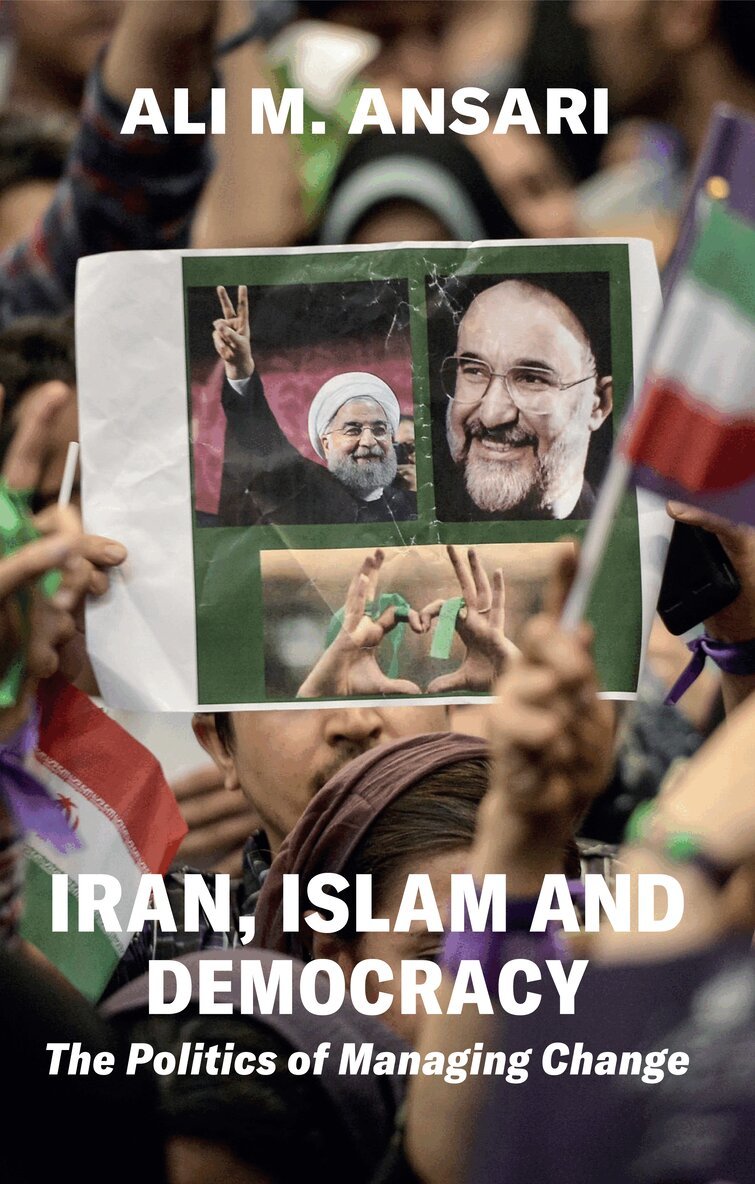
    Iran, Islam and Democracy

    The Politics of Managing Change

    AvAli M. Ansari

    Inbunden, Engelska, 2018

    421 kr

    Beställningsvara. Skickas inom 7-10 vardagar. Fri frakt över 249 kr.

    Beskrivning

    Current developments in Iran are forcing a fundamentalreassessment of the relationship between Islam and democracyand the processes of democratization in the Muslim world.While some scholars have argued that 'Islam' and 'democracy'are essentially incompatible, others have sought to portraythe advent of political Islam as a transitional phenomenonto be overcome before democratization can take root. Ansari,in tracing the historical roots of political development inIran, argues that what is in fact taking place is an intellectualsynthesis of ideas drawing from both Western and traditionalIranian norms. The author analyzes the origins and dynamicof this development, and discusses the possible consequencesfor Iran and the region, as well as Iran's relationship with thewider world. This new edition includes political developmentsin Iran since 2016. It looks at the increasing polarity of viewsand the changing nature of 'reformism' in light of successivesetbacks and growing international tensions.

    Produktinformation

    • Utgivningsdatum:2018-12-10
    • Mått:156 x 234 x 46 mm
    • Vikt:956 g
    • Format:Inbunden
    • Språk:Engelska
    • Antal sidor:240
    • Upplaga:3
    • Förlag:GINGKO
    • ISBN:9781909942981

    Utforska kategorier

    • Islam inom Filosofi och religion
    • Religion: allmänt inom Filosofi och religion
    • Statsskick: demokrati inom Samhälle och politik

    Mer om författaren

    Ali M. Ansari is Professor of Iranian History and Founding Director of the Institute for Iranian Studies at the University of St Andrews.

    Recensioner i media

    "The most comprehensive account of the politics of reform in contemporary Iran . . . . there has never been a better time for a review and detailed analysis of the rise and fall of the reform movement in Iran."--Asian Review of Books

    Innehållsförteckning

    • Acknowledgements to the Third EditionPreface to the Third EditionPart I – Iran, Islam and Democracy: The Politics ofManaging ChangeIntroductionStructure of the bookSources1 Iran, Islam and Democracy: The Theoretical Context Iran, Islam and the ‘secularisation thesis’Civil society and democratic development2 The Politics of Managing ChangeA contested inheritanceThe roots of democratic developmentThe constitutional period, 1906–1921Reza Shah and the Pahlavi autocracyThe interregnum, 1941–1953 34The restoration of autocracy, 1953–19793 Revolution, Republic and WarThe dialectics of the ‘collective will’The limits of ‘charisma’Competing movementsReligious nationalismAn unorthodox legacyThe ideological dimensions of powerCauses of authoritarian dominationThe war4 Rafsanjani and the Ascendancy of the Mercantile BourgeoisieThe roots and development of the ‘mercantile bourgeois republic’Developments in intellectual lifeThe intellectual revitalisation of the myth of political emancipationThe theoretical foundations of an Islamic democracySocial responses to the bourgeois republic5 The Failure of the Mercantile Bourgeois Republic and the Election of KhatamiParties and personalitiesThe election campaignThe election of 2 Khordad6 Contested Hegemonies and the Institutionalisation of PowerThe reformist worldviewPoliciesAgents of change (1): studentsAgents of change (2): the pressAgents of obstructionA new beginningThe foreign policy of reintegration7 The Dialectics of ReformThe politics of managing changeThe parameters of ‘civil society’Constitutionalism and historical appropriationReform and reactionThe politics of economic reform8 The Tide of ReformThe imprisonment of KadivarThe student riotsThe campaign for the Sixth Majlis and the arrest of NuriThe dialectic returnsHigh tide?9 The Tide StemmedThe attempted assassination of HajjarianThe Berlin conferenceThe emasculation of the MajlisThe presidential elections of 2001Reform in the shadow of 9/11Iranian-US relations in the shadow of AfghanistanThe ‘axis of evil’Gridlock and the pursuit of constitutional reform10 Full Circle?Lost opportunities: Aghajari, Shahroudi, TaheriAmerica and the pollstersReform in the shadow of IraqIran and the Nuclear Non-Proliferation TreatyThe arrogance of powerConclusion: From Reform to Neo-conservatismOpportunities lostThe end of an era?Appendix I: A Crisis Every Nine Days: Khatami’s First Term Appendix II: Ayatollah Taheri’s Resignation LetterAppendix III: Letter from127 Deputies to the Leader Ayatollah KhameneiPart II – Iran under Ahmadinejad: Populism and its MalcontentsThe routinisation of charismaThe reinvention of charismaPart III – Preliminary Analysis of the Voting Figures in Iran’s 2009 Presidential ElectionExecutive summaryIrregularities in voter turnoutWhere did Ahmadinejad’s new votes come from?Do rural voters support Ahmadinejad?AppendixPart IV – Crisis of Authority: Iran’s 2009 Presidential ElectionIntroductionSources and methodologyThe 2009 presidential election: the backgroundA brief history of elections in the Islamic RepublicThe 2009 presidential election campaignCountdown to victoryThe primariesRaising the stakesA tale of two cities: Iran’s opposing worldviewsTowards election dayGroundhog Day: from the sublime to the ridiculousFalloutCrisis of authorityThe crisis escalatesThe incoherence of dominance‘A global conspiracy’A conservative crisisLonger-term consequences and policy implicationsDomestic questionsAssessing the integrity of the electionPost-election violence and the fundamentals of governanceGovernment optionsAssessing government supportThe spectre of 1978The opposition and the Green MovementThe economyThe direction of travelIran and the WestThe necessary toolsEngaging Iran and the IraniansMastering Iranian narrativesIran and the United StatesIran and the United KingdomIran and the EUIran, Russia and ChinaGeopolitical lessonsConclusionAn inconvenient truth?Part V – Iran’s Eleventh Presidential Election: The Politics of Managing Change RevisitedIntroductionThe burden of historyThe ghost of KhatamiThe spectre of AhmadinejadThe campaignPublic scepticismHardline divisionsBuilding a drama out of a crisisThe election processThe diplomatic sheikhElection dayA fractured eliteThe resultA new dawn of prudence, moderation and hope?Postscript: the politics of managing changePart VI – The United States, Iran, and the Politics of the JCPOAIntroductionThe arc of historyA nuclear narrativeAn inconvenient truth?Heroic flexibilityManufacturing consentThe ‘Guns of August’The agreementLooking forwardConclusionPart VII – Epilogue: Britain, Iran, and the idea of the ReformGlossaryChronologyBibliographyIndex