• Fri frakt över 249 kr
  • •
  • Snabba leveranser
  • •
  • Billiga böcker
Kundservice

Du är på sajten för privatpersoner.

Företag, bibliotek eller offentlig verksamhet?

Du handlar på classic.bokus.com, där alla dina funktioner finns intakta.
Till classic.bokus.com
Bokus logotyp. Gå till startsidan.
  • Erbjudanden
  • Nyheter
  • Student
  • Topplistor
  • Barn & ungdom
  • Bokus Play
  • E-böcker
  • Pocketböcker
  • Spel & pussel

10% rabatt på allt med kod NYSTART10 →

Sidfot

Mina sidor

    Hjälp

    • Kundservice
    • Vanliga frågor och svar
    • Frakt och leverans
    • Retur vid ångerrätt
    • Reklamera vara
    • Betalning
    • Köpvillkor
    • Allmänna villkor
    • Information om webbplatsens tillgänglighet

    Om Bokus

    • Om oss
    • Pressrum
    • För studenter
    • För företag
    • För bibliotek och offentlig verksamhet
    • För leverantörer
    • Hållbarhet

    Populärt

    • Aktuella erbjudanden
    • Presentkort
    • Studentlitteratur
    • Nya böcker
    • Topplistor
    • Signerade böcker
    • Engelska böcker

    Inspiration

    • Boktips
    • BookTok
    • Populära bokserier
    • Barnbokskaraktärer
    • Populära författare
    Logotyp för Bokus
    Följ oss på Facebook (extern länk)Följ oss på Instagram (extern länk)Följ oss på YouTube (extern länk)Följ oss på TikTok (extern länk)
    bokus @ CookiesAnpassa cookiesIntegritetspolicyKöpvillkor
    Till Citymail hemsida (extern länk)Till Budbee hemsida (extern länk)Till Postnord hemsida (extern länk)Till Schenker hemsida (extern länk)Till Early Bird hemsida (extern länk)Till Walleys hemsida (extern länk)
    1. Kultur
    2. Konstböcker
    3. Konstformer
    4. Konst: teman och motiv

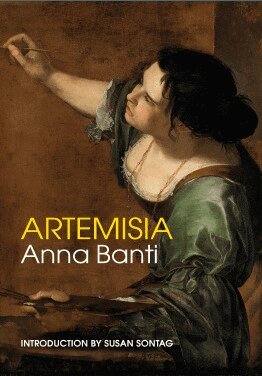
    Artemisia

    AvAnna Banti

    Häftad, Engelska, 2020

    165 kr

    Skickas . Fri frakt över 249 kr.

    Fler format och utgåvor

    Häftad

    362 kr

    E-bok

    127 kr

    Beskrivning

    First published in 1953, Artemisia is a classic of 20th century Italian literature. From its first publication in 1953, Artemisia, a novel about Artemisia Gentileschi, an iconic 17th century painter, by Anna Banti, a brilliant Italian art historian, established itself as a feminist masterpiece. Like Penelope Fitzgerald’s The Blue Flower and Marguerite Yourcenar’s Memoirs of Hadrian, Artemisia is a book about the process of artistic creation. Much in Gentileschi’s life marked her out as a victim – rape at the age of 18, a forced marriage to a man she did not love and, a powerful, patriarchal father, Orazio Gentileschi, who failed to value her artistic genius. But Gentileschi did not accept the status of victim, in the years between 1610 and 1650; she produced over 50 paintings that have established her as one of the great painters of all time. She gave up everything – 'all tenderness, all claim to feminine virtues' to dedicate herself solely to painting. Sacrifices that Anna Banti, herself an artist, fully understands and captures in this amazing novel. 'What makes Artemisia a great book – and unique in Banti’s work – is this double destiny, of a book lost and re-created. A book that by being posthumous, rewritten, resurrected, gained incalculably in emotional reach and moral authority. A metaphor for literature, perhaps. And a metaphor for reading, militant reading – which, at its worthiest, is rereading – too.' Susan Sontag

    Produktinformation

    • Utgivningsdatum:2020-10-01
    • Mått:129 x 198 x 20 mm
    • Vikt:272 g
    • Format:Häftad
    • Språk:Engelska
    • Antal sidor:248
    • Förlag:HopeRoad Publishing Ltd
    • ISBN:9781913109004
    • Översättare:Shirley D'Ardia Caracciolo

    Utforska kategorier

    • Konst: teman och motiv inom Kultur
    • Konsthistoria inom Kultur
    • Genusvetenskap inom Samhälle och politik

    Mer om författaren

    Anna Banti, pen name of Lucia Lopresti, was born in Florence in 1895. Like Artemisia Gentileschi, Anna Banti was always defined by a male mentor –in her case, her husband Roberto Longhi to whom 'Artemisia' is dedicated. Until his death in 1970, Anna Banti lived in Roberto Longhi’s shadow. Since then, like Artemisia, she has found an audience able to appreciate her genius in its own right. The dialogue between author and subject in Artemisia is one of the great literary conversations of our time.