• Fri frakt över 249 kr
  • •
  • Snabba leveranser
  • •
  • Billiga böcker
Kundservice

Du är på sajten för privatpersoner.

Företag, bibliotek eller offentlig verksamhet?

Du handlar på classic.bokus.com, där alla dina funktioner finns intakta.
Till classic.bokus.com
Bokus logotyp. Gå till startsidan.
  • Erbjudanden
  • Nyheter
  • Student
  • Topplistor
  • Barn & ungdom
  • Bokus Play
  • E-böcker
  • Pocketböcker
  • Spel & pussel

10% rabatt på allt med kod: NYSTART10 →

Sidfot

Mina sidor

    Hjälp

    • Kundservice
    • Vanliga frågor och svar
    • Frakt och leverans
    • Retur vid ångerrätt
    • Reklamera vara
    • Betalning
    • Köpvillkor
    • Allmänna villkor
    • Information om webbplatsens tillgänglighet

    Om Bokus

    • Om oss
    • Pressrum
    • För studenter
    • För företag
    • För bibliotek och offentlig verksamhet
    • För leverantörer
    • Hållbarhet

    Populärt

    • Aktuella erbjudanden
    • Presentkort
    • Studentlitteratur
    • Nya böcker
    • Topplistor
    • Signerade böcker
    • Engelska böcker

    Inspiration

    • Boktips
    • BookTok
    • Populära bokserier
    • Barnbokskaraktärer
    • Populära författare
    Logotyp för Bokus
    Följ oss på Facebook (extern länk)Följ oss på Instagram (extern länk)Följ oss på YouTube (extern länk)Följ oss på TikTok (extern länk)
    bokus @ CookiesAnpassa cookiesIntegritetspolicyKöpvillkor
    Till Citymail hemsida (extern länk)Till Budbee hemsida (extern länk)Till Postnord hemsida (extern länk)Till Schenker hemsida (extern länk)Till Early Bird hemsida (extern länk)Till Walleys hemsida (extern länk)
    1. Samhälle och politik
    2. Samhälle och kultur
    3. Sociala grupper och identitet

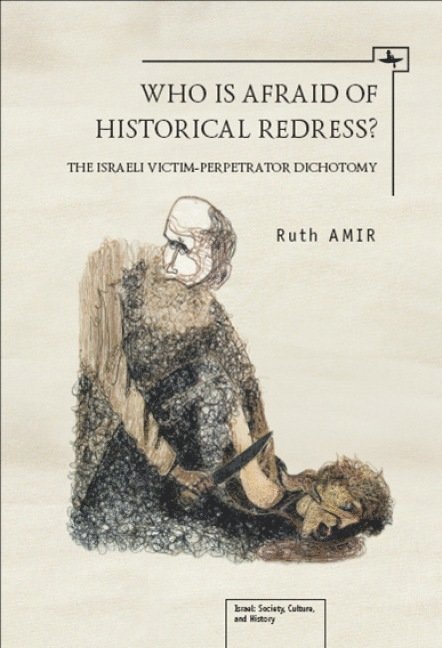
    Who is Afraid of Historical Redress?

    The Israeli Victim-Perpetrator Dichotomy

    AvRuth Amir

    Inbunden, Engelska, 2011

    Del i serien Israel: Society, Culture, and History

    1 510 kr

    Beställningsvara. Skickas inom 5-8 vardagar. Fri frakt över 249 kr.

    Fler format och utgåvor

    E-bok

    2 590 kr

    Beskrivning

    With the Holocaust resonating as the "thick background," historical redress processes in Israel render a particularly challenging case. The simultaneous concern the Jewish community has with past, present and future redress campaigns, as both victim and perpetrator, is unique. Who is Afraid of Historical Redress analyzes three cases of historical redress in Israel: the Yemeni children affair, the tinea capitis irradiations and the claims for the return of native land of the two Christian Palestinian villages of Iqrit and Bir'em. All three cases were redressed under the juridical edifice of legal thought and action. The outcomes suggest that these processes were insufficient for achieving closure by the victims, atonement by those responsible and reconciliation among social groups.

    Produktinformation

    • Utgivningsdatum:2011-12-15
    • Mått:155 x 234 x 21 mm
    • Vikt:606 g
    • Format:Inbunden
    • Språk:Engelska
    • Serie:Israel: Society, Culture, and History
    • Antal sidor:325
    • Förlag:Academic Studies Press
    • ISBN:9781934843857

    Utforska kategorier

    • Sociala grupper och identitet inom Samhälle och politik
    • Mellanösterns historia inom Historia och arkeologi
    • Politiskt förtryck inom Samhälle och politik

    Mer om författaren

    Ruth Amir is a Senior Lecturer and Chair of the Department of Multi-Disciplinary Studies at the Max Stern Academic College of Emek Yezreel. She is co-author of two books on electoral reform in Israel and on executive governance. In recent years her research and publications focus on Israeli politics and on the discourse of identity and collective memory. Her book entitled The politics of Victimhood: Historical Redress in Israel (in Hebrew) is forthcoming in 2012 with Resling Publishing Co., Tel Aviv.

    Recensioner i media

    “. . . Who Is Afraid of Historical Redress? is a worthy contribution to the literature on memory studies in Israel. The author’s choice of case studies coupled with her analysis of state responses to redress campaigns more than demonstrates the role that memory plays in the construction of state identity concerning episodes of historical injustice. Further, the focus on injustices committed by the Israeli state against Jewish citizens and immigrants to Israel coupled with a discussion of injustices committed against Palestinians in the formation of the state is brilliant and makes the point stronger.”