Häftad, Engelska, 2027
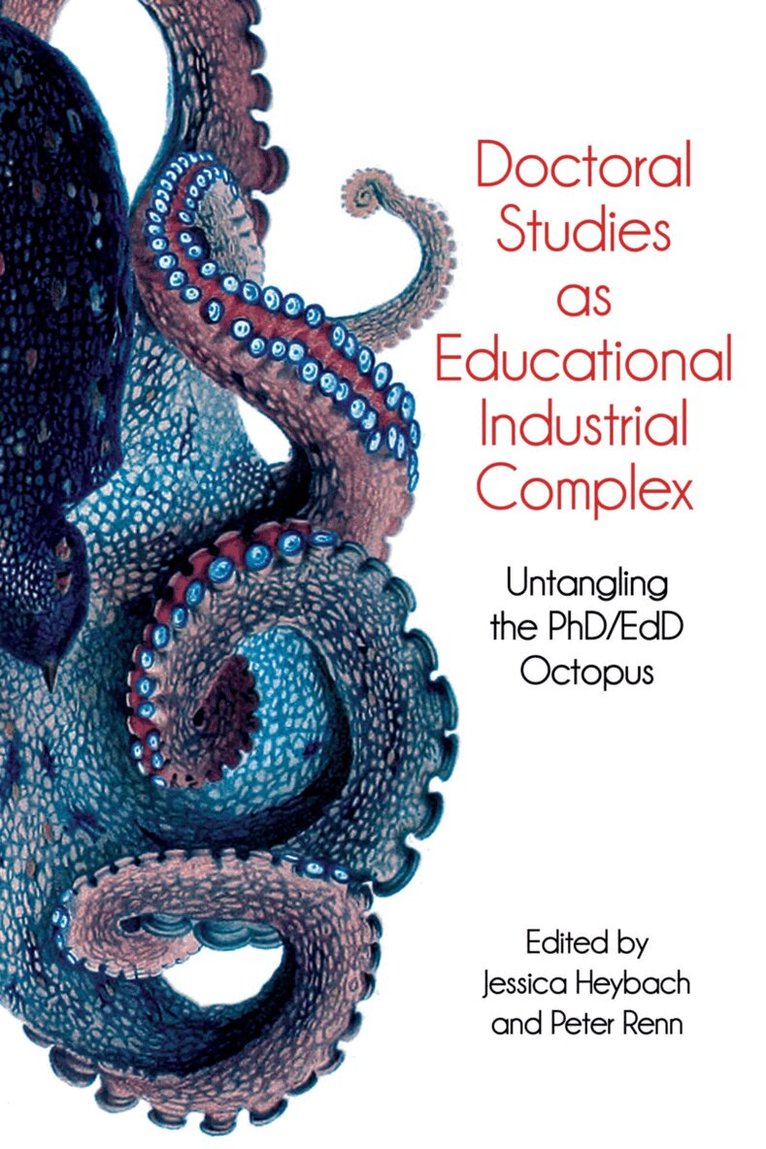
Doctoral Studies As Educational Industrial Complex
Av Jessica A. Heybach, Peter Renn
441 kr
Kommande
Beskrivning
More than a century after William James published his provocative critique The PhD Octopus in 1903, his warnings about the corrupting entanglements between institutions and graduate students remain strikingly relevant. Doctoral Studies as Educational Industrial Complex revisits James' concerns through a contemporary lens, offering a critical examination of doctoral education in the field of education in what feels like perennial crisis. Throughout the volume, contributors grapple with the tensions James identified: the obsession with credentials over genuine intellectual work, the "tyrannical machine" of institutional demands, and the misalignment between doctoral preparation and actual career paths. These tensions are particularly acute in practitioner-oriented EdD programs designed to produce scholar-practitioners who often remain in their local communities rather than entering the academy. Yet research-oriented PhD programs face their own crisis, as they continue to prepare scholars for a tenure-track job market that has dramatically contracted. With only 32% of faculty holding tenured or tenure-track positions in 2023—down from 53% in 1987—the traditional pathway to academic careers has fundamentally eroded. The book speaks to multiple audiences: faculty who supervise doctoral students and seek to understand the challenges they face; doctoral students navigating alternative program formats and uncertain career prospects; administrators responsible for program design and accreditation; and scholars interested in the future of higher education and professional preparation. By centering faculty expertise and critical analysis rather than external market demands, this volume offers a necessary counter-narrative to prevailing trends in doctoral education reform. Ultimately, this book argues for a reconsideration of what doctoral education should accomplish and for whom, grounding these questions in both historical perspective and contemporary realities.
Produktinformation
- Utgivningsdatum: 2027-01-30
- Mått: 152 x 229 x 25 mm
- Vikt: 358 g
- Format: Häftad
- Språk: Engelska
- Antal sidor: 276
- Förlag: Myers Education Press
- ISBN: 9781975505363
Utforska kategorier
Betyg & recensioner
0 recensioner
Inga recensioner tillgängliga.