• Fri frakt över 249 kr
  • •
  • Snabba leveranser
  • •
  • Billiga böcker
Kundservice

Du är på sajten för privatpersoner.

Företag, bibliotek eller offentlig verksamhet?

Du handlar på classic.bokus.com, där alla dina funktioner finns intakta.
Till classic.bokus.com
Bokus logotyp. Gå till startsidan.
  • Erbjudanden
  • Student
  • Topplistor
  • Barn & ungdom
  • Bokus Play
  • E-böcker
  • Ljudböcker
  • Pocketböcker
  • Spel & pussel

Upp till 25% på utvalda nyheter →

Sidfot

Mina sidor

    Hjälp

    • Kundservice
    • Vanliga frågor och svar
    • Frakt och leverans
    • Retur vid ångerrätt
    • Reklamera vara
    • Betalning
    • Köpvillkor
    • Allmänna villkor
    • Information om webbplatsens tillgänglighet

    Om Bokus

    • Om oss
    • Pressrum
    • För studenter
    • För företag
    • För bibliotek och offentlig verksamhet
    • För leverantörer
    • Hållbarhet

    Populärt

    • Aktuella erbjudanden
    • Presentkort
    • Studentlitteratur
    • Nya böcker
    • Topplistor
    • Signerade böcker
    • Engelska böcker

    Inspiration

    • Boktips
    • BookTok
    • Populära bokserier
    • Barnbokskaraktärer
    • Populära författare
    Logotyp för Bokus
    Följ oss på Facebook (extern länk)Följ oss på Instagram (extern länk)Följ oss på YouTube (extern länk)Följ oss på TikTok (extern länk)
    bokus @ CookiesAnpassa cookiesIntegritetspolicyKöpvillkor
    Till Citymail hemsida (extern länk)Till Budbee hemsida (extern länk)Till Postnord hemsida (extern länk)Till Schenker hemsida (extern länk)Till Early Bird hemsida (extern länk)Till Walleys hemsida (extern länk)
    1. Data och IT
    2. Systemvetenskap och AI

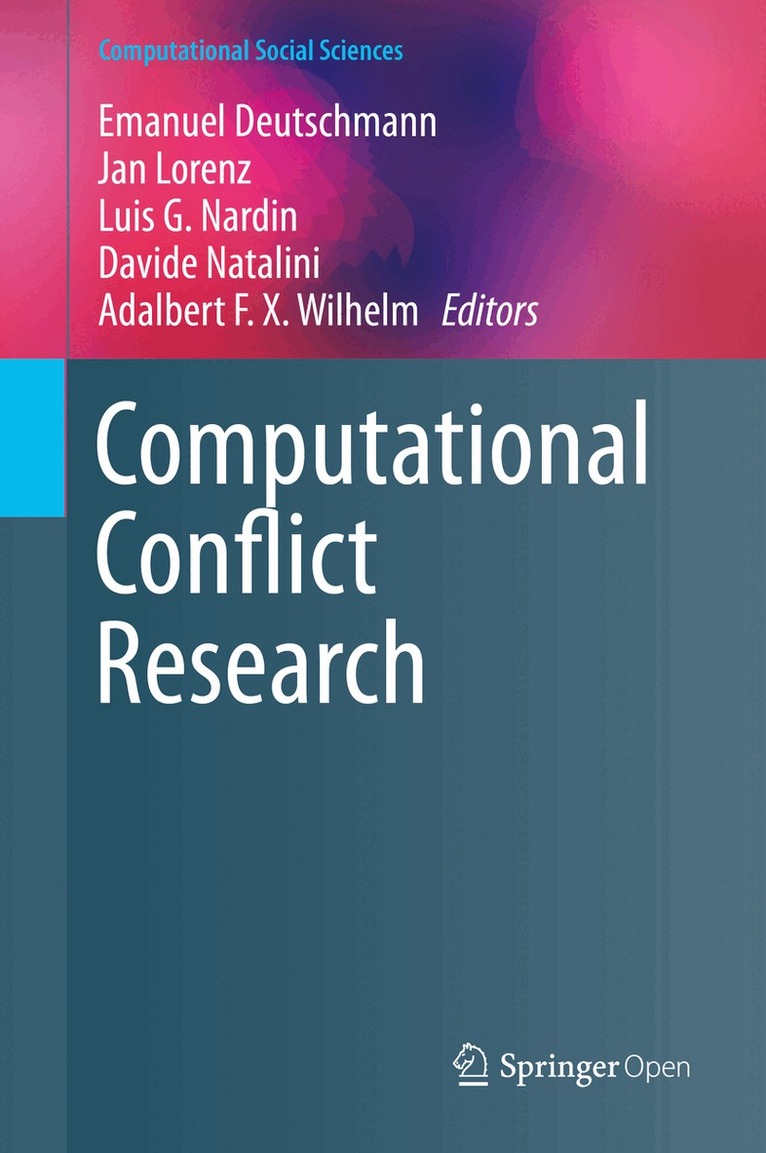
    Computational Conflict Research

    AvEmanuel Deutschmann,Jan Lorenz

    Inbunden, Engelska, 2019

    Del i serien Computational Social Sciences

    547 kr

    Beställningsvara. Skickas inom 10-15 vardagar. Fri frakt över 249 kr.

    Beskrivning

    This open access book brings together a set of original studies that use cutting-edge computational methods to investigate conflict at various geographic scales and degrees of intensity and violence. Methodologically, this book covers a variety of computational approaches from text mining and machine learning to agent-based modelling and social network analysis. Empirical cases range from migration policy framing in North America and street protests in Iran to violence against civilians in Congo and food riots world-wide. Supplementary materials in the book include a comprehensive list of the datasets on conflict and dissent, as well as resources to online repositories where the annotated code and data of individual chapters can be found and where (agent-based) models can be re-produced and altered. These materials are a valuable resource for those wishing to retrace and learn from the analyses described in this volume and adapt and apply them to their own research interests. By bringing together novel research through an international team of scholars from a range of disciplines, Computational Conflict Research pioneers and maps this emerging field. The book will appeal to students, scholars, and anyone interested in the prospects of using computational social sciences to advance our understanding of conflict dynamics.

    Produktinformation

    • Utgivningsdatum:2019-11-15
    • Mått:155 x 235 x 22 mm
    • Vikt:588 g
    • Format:Inbunden
    • Språk:Engelska
    • Serie:Computational Social Sciences
    • Antal sidor:264
    • Förlag:Springer Nature Switzerland AG
    • ISBN:9783030293321

    Utforska kategorier

    • Systemvetenskap och AI inom Data och IT
    • Referensverk och tvärvetenskap inom Samhälle och politik
    • Politisk aktivism inom Samhälle och politik

    Innehållsförteckning

    • Chapter1: Advancing Conflict Research through Computational Approaches.- PARTI: Data and Methods in Computational Conflict Research.- Chapter2: Advances in Data on Conflict and Dissent.- Chapter3: Text as Data for Conflict Research: A Literature Survey.- Chapter4: Interdependencies in Conflict Dynamics: Analyzing Endogenous Patterns in Conflict Event Data Using Relational Event Models.- PARTII: Computational Research on Non-violent Conflict.- Chapter5: Migration Policy Framing in Political Discourse: Evidence from Canada and the US.- Chapter6: The Role of Network Structure and Initial Group Norm Distribution in Norm Conflict.- Chapter7: On the Fate of Protests: Dynamics of Activation and Topic Selection Online and In the Streets.- PartIII: Computational Research on Violent Conflict.- Chapter8: Do Non-State Armed Groups influence each other in attack timing and frequency? Generating, analyzing, and comparing empirical data and simulation.- Chapter9: On the Beaten Path: Violence against Civilians and Simulated Conflict along Road Networks.- Chapter10: Analysis of Conflict Diffusion over Continuous Space,- Chapter11: Rebel Group Protection Rackets: Simulating the Effects of Economic Support on Civil War Violence